
Mobility & Medical Aids Buying Guide: What Every Household Needs
The short answer
Choose mobility and medical aids by the emergency they solve and the user they serve. First aid devices should be simple enough to use under pressure, and accessibility aids should match the user’s strength and the home’s layout. Buy the tool that fits the real need, and keep it where it is needed.
First aid and rescue devices: buy one per household
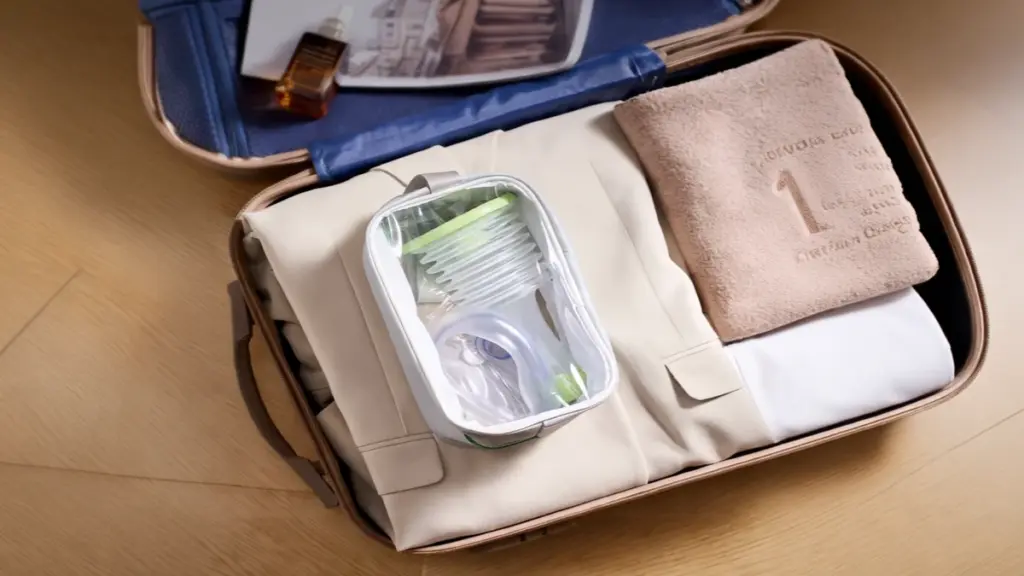
Anti-choking rescue devices use suction to clear blocked airways when the Heimlich maneuver is not enough, and they work on children and adults with different mask sizes. The number of masks matters: a 3-mask kit covers baby, child, and adult, which fits most households, schools, and workplaces.
| Kit | Masks | Best for |
|---|---|---|
| 2 masks | Adult, child | Compact travel kit |
| 3 masks | Adult, child, baby | Homes, schools |
| 4-5 masks | Multi-size | Workplaces, care facilities |
Look for a device with a visible instruction card and a storage bag, because it must be usable by someone who has never trained on it. The 3-mask choking rescue device is the right size for a home or classroom, and the 5-mask kit covers larger teams.
Accessibility aids: match the user and the bathroom
Raised toilet seats and similar aids are sized by the user’s needs and the fixture. A seat with a 4-inch lift makes sitting and standing easier for seniors and people with limited mobility, and armrests provide support for the stand-up motion. Check the weight capacity against the user’s weight, and confirm the seat fits the toilet bowl shape.
The 4-inch raised toilet seat with padded arms, rated at 300 lb, adds height and support with a tool-free install.
Where to store safety gear
Emergency equipment only helps if it is reachable. Keep the rescue device in the kitchen or dining area where choking happens most, not in a cabinet. Keep accessibility aids installed where they are used, and check batteries or expiration on any powered or perishable gear quarterly.
Common mistakes to avoid
- Buying one mask size: a rescue device that does not fit the person is useless in the emergency.
- Hiding the device: gear stored in a hard-to-reach place is never used in time.
- Ignoring weight capacity: accessibility aids have ratings for a reason; respect them.
- Skipping the instruction card: the device must be operable by a bystander under stress.
Recommended mobility & medical aids
- VEVOR choking rescue device, 3 masks – the home and school standard
- VEVOR choking rescue device, 5 masks – workplaces and care facilities
- VEVOR choking rescue device, 2 masks – compact travel kit
- VEVOR 4-inch raised toilet seat with arms – support at 300 lb capacity
See the full mobility & medical aids collection.
Start with one complete first aid kit per household plus a rescue device such as an emergency escape ladder or a basic rescue tool. Buy the kit that matches the risks in your home, then check it twice a year.
Match the aid to the user and the bathroom layout: shower chairs and toilet safety frames need a capacity above the user weight and a footprint that fits the space. Non-slip feet and corrosion-resistant frames are musts.
Store gear where it is reachable in seconds: one kit in the kitchen or hallway, one in the car, and rescue aids near the room they protect. Tell every adult in the home where each item lives.
Buy the device that covers your biggest risk first: an escape ladder for multi-story homes, a fire blanket near the kitchen, or a basic trauma kit for workshops. Add one item per month until your home is covered.
Related guides
Pairing safety gear with home fitness? The fitness equipment buying guide covers flooring and gear. Keeping the home clean for care, the cleaning equipment buying guide is a practical next read.
Frequently Asked Questions
What mask count choking rescue device should I get?
2-3 masks suit a home or small office; 4-5 masks cover families, schools, and care facilities with different size needs.
How does a choking rescue device work?
It creates suction to pull the blockage from the airway when standard back blows fail; keep it accessible, not in a drawer.
What raised toilet seat lift height do I need?
4-inch lifts suit most users and fit standard toilets; check weight capacity (e.g., 300 lb) and padded arms for comfort.
Is a choking device a replacement for first aid training?
No - it is a backup tool; learn back blows and abdominal thrusts first, and use the device as directed.
Related Articles
Browse Related Products
Products covered by these guides.
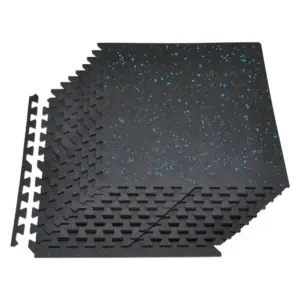
VEVOR Puzzle Exercise Mat, 24 PCS Fitness Equipment Mats, 24 x 24 x 0.4 in, High-Density EVA Foam Mats Set, Interlocking Rubber Soft Tiles
$146.90Shop now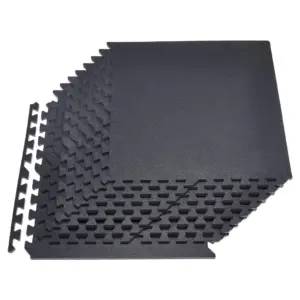
VEVOR Puzzle Exercise Mat, 12 PCS Fitness Equipment Mats, 24 x 24 x 0.56 in, High-Density EVA Foam Gym Mats Set, Interlocking Rubber Soft Tiles
$80.90Shop now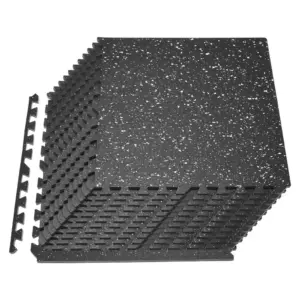
VEVOR Puzzle Exercise Mat, 24 PCS Fitness Equipment Mats, 24 x 24 x 0.56 in, High-Density EVA Foam Mat Set, Interlocking Rubber Soft Tiles
$165.90Shop now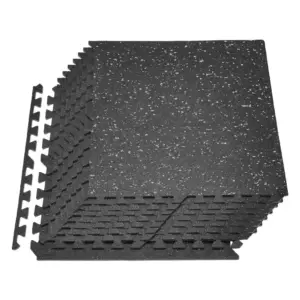
VEVOR Puzzle Exercise Mat, 12 PCS Fitness Equipment Mats, 24 x 24 x 0.4 in, High-Density EVA Foam Mats Set, Interlocking Rubber Soft Tiles
$72.90Shop nowGet new guides first
New buying guides, size guides and restock alerts — one email a week.