
Glass vs Porcelain Whiteboard: The Difference Nobody Tells You
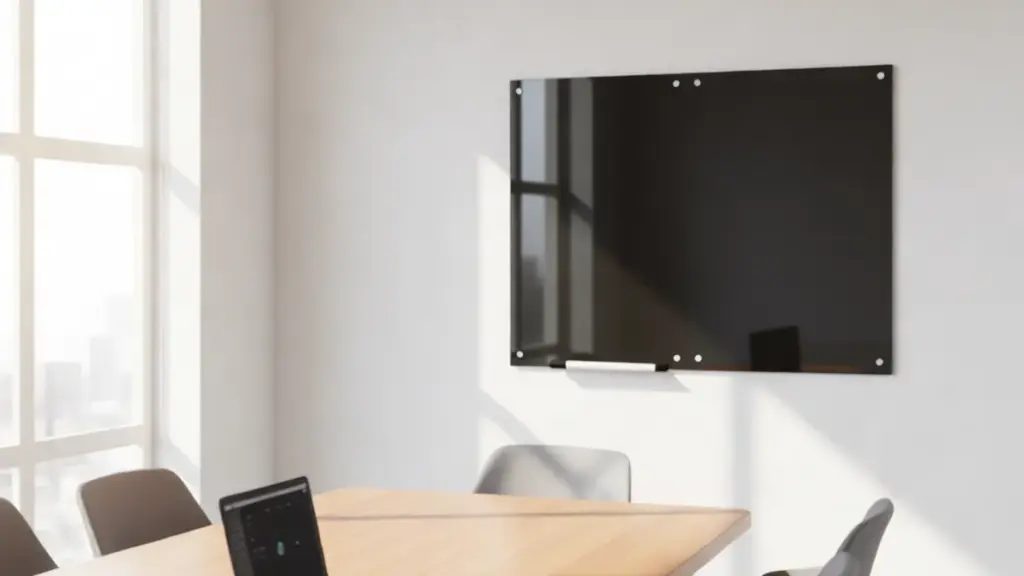
The short answer
If the board gets written on every day by a team of people, choose porcelain. If you want a board that never ghosts, looks clean on a modern wall, and gets light-to-medium use, glass is the better buy. Both surfaces are non-porous, which is exactly what separates them from cheap melamine boards. The real differences come down to durability, magnets, weight, and price.
Why both beat melamine
Most inexpensive whiteboards are melamine. The coating is porous enough that dry-erase ink slowly soaks in, leaving the gray ghosts that never quite wash away. Glass and porcelain are both non-porous, so ink stays on the surface where a cloth can remove it. That is why both are sold as ghost-resistant boards. The trade-off is price: each costs more than melamine, and each is worth it if the board gets real use.
Glass vs porcelain at a glance
| Feature | Glass whiteboard | Porcelain whiteboard |
|---|---|---|
| Ghosting | Very low | Very low |
| Magnetic | Yes on steel-backed models | Yes on steel-backed models |
| Scratch resistance | High, but edges can chip on impact | High, enamel resists dents too |
| Weight | Heavy | Heavy |
| Look | Frameless, modern | Traditional framed board |
| Best for | Home office, meetings, light daily use | Classrooms, training rooms, heavy daily use |
| Price | Higher end | Higher end |
What actually matters in daily use
Ghosting and cleanup
Neither surface absorbs ink, so the old melamine problem is mostly gone. The difference shows up over years. Glass keeps its clean look and wipes off with a dry cloth. Porcelain can build a slight haze if markers sit on the board for weeks, but a damp cloth and a mild cleaner bring it back. With decent markers and normal cleaning, both stay presentable.
Magnets
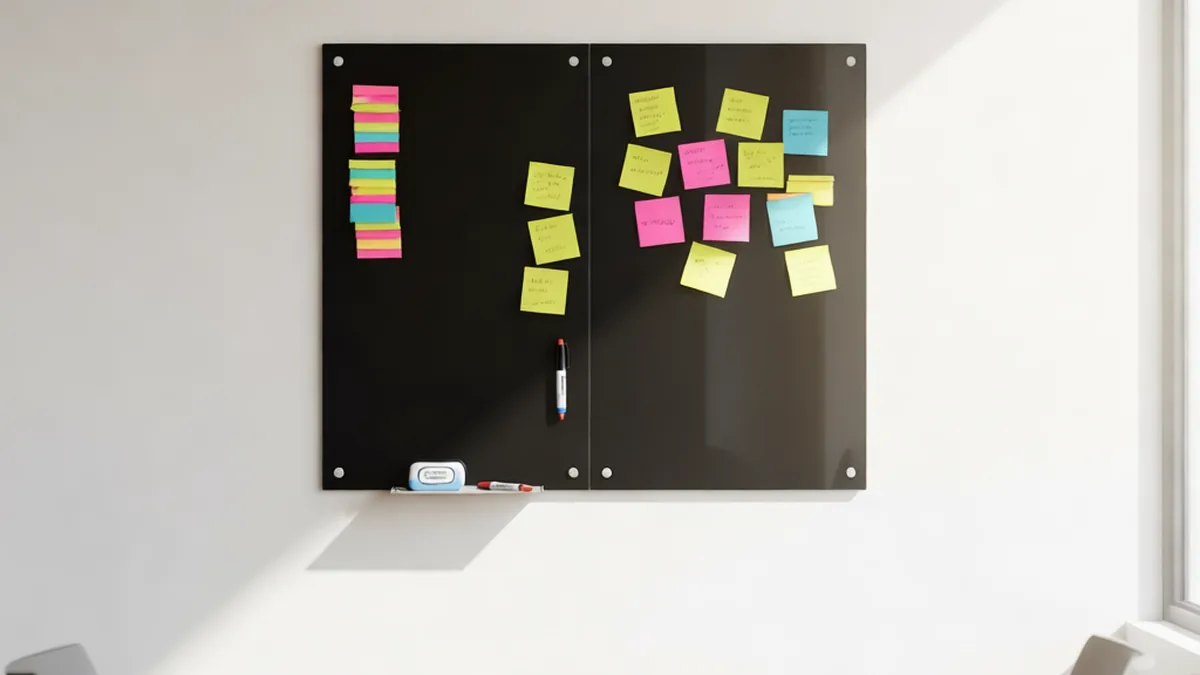
Check the spec sheet, because magnetic capability is not automatic. Steel-backed porcelain boards are usually magnetic. Glass boards are magnetic only when they have a steel backing. If you pin schedules, notes, or photos, magnetic capability matters more than the surface material itself.
Durability
Tempered glass is strong, but its edges are the weak point. A hard hit in the corner can chip it. Porcelain enamel is fused to a steel substrate and takes more abuse overall, which is why schools and training rooms still buy it. For a home office or a meeting room, glass is normally safe as long as nobody swings chairs or ladders into it.
Mounting
Both are heavy. A 35 x 24 inch glass board is not a one-hand job, and a drywall wall needs proper anchors, not just screws. If you rent or move often, a mobile board with a stand gives you a large writing surface without drilling a single hole.
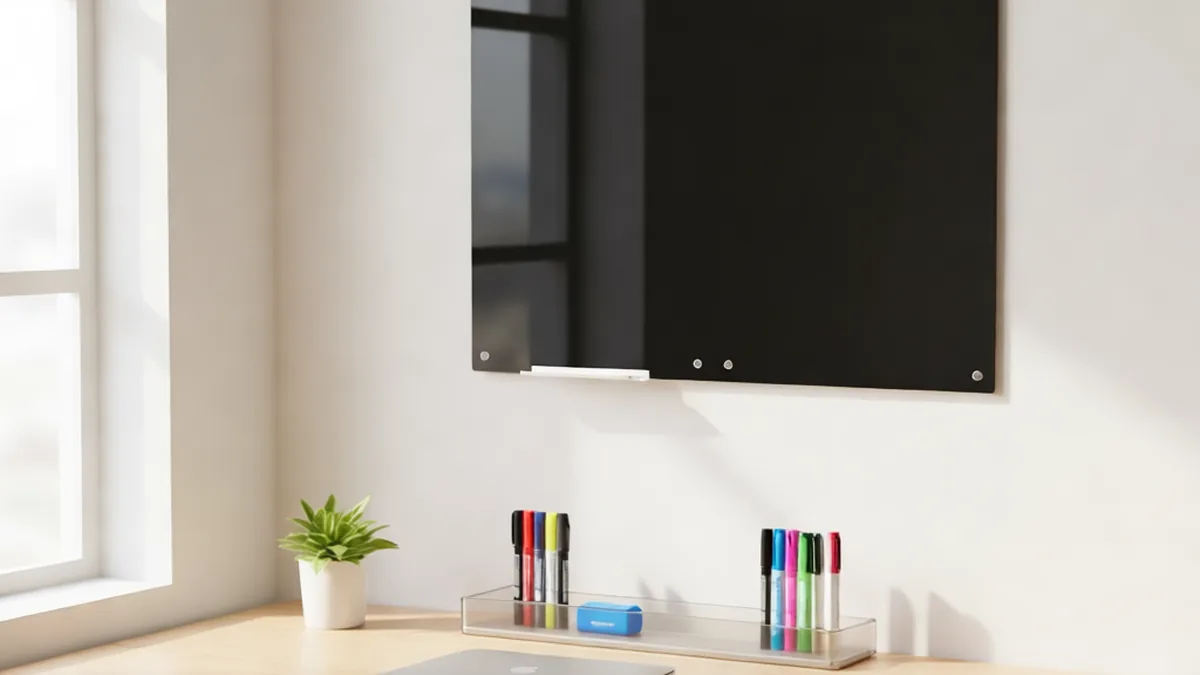
Porcelain vs glass vs melamine: which surface belongs where?
Glass and porcelain are the two long-life options, but they are not the only choices shoppers compare. Melamine, painted steel, porcelain enamel and tempered glass fail in different ways, which is why the cheapest board can cost more over time.
- Melamine: a printed dry-erase coating over a composite core. It is the lowest-cost option and fine for occasional notes, but marker residue can settle into the surface and leave a gray haze. Most melamine boards are not magnetic.
- Painted steel: a steel sheet with a coated writing surface. It is magnetic and works well in workshops, but the coating can stain and the panel can dent. Check the exact coating rather than assuming every steel board is porcelain.
- Porcelain enamel: glass-like enamel fired onto steel. The steel core takes magnets and the enamel resists ink, scratches and most chemicals. This is the surface to choose for classrooms, labs and training rooms with heavy daily use.
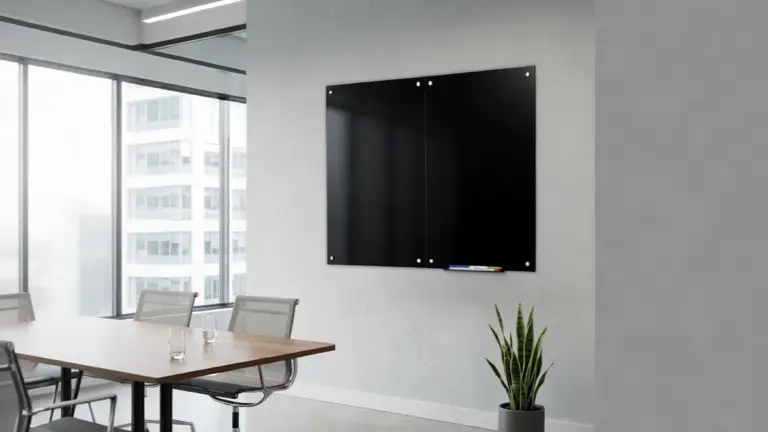
- Tempered glass: a non-porous glass panel that is easy to wipe clean and keeps a modern appearance. It is magnetic only when the board has a steel backing. The exposed edge is the weak point, so glass suits offices and meeting rooms more than rough shop walls.
For a home office, glass is often the better balance of appearance and easy cleaning. For a school, lab or room used all day, porcelain usually wins on durability. Melamine makes sense for a spare room or light personal use, not for a wall that gets written on every morning.
What size whiteboard fits a classroom, lab or meeting room?
Choose the board by usable writing width and the farthest viewer, not by the package label alone. A board that is wide enough for one person to reach every corner will not work for a 20-person room, and a board mounted too high is uncomfortable even when the area is large.
- Small office or one-to-one desk: 35 x 23 in is a practical wall-mounted size for schedules, diagrams and short meetings.
- Small classroom or training room: treat 4 x 6 ft as the minimum useful size for a group, especially when one section is reserved for the day plan and another for working notes.
- Large classroom or lab: 6 x 8 ft gives enough room for diagrams, formulas and safety notes without erasing the previous topic every few minutes. Split the wall into permanent-reference and working zones.
- Mobile room: a 35 x 23 in mobile glass board is easier to move between rooms than a fixed board and avoids drilling into rented walls.
Mount the top edge within comfortable reach, leave at least 30 in of clear wall on the writing side, and check whether the wall can support the board plus its mounting hardware. Glass and porcelain boards are heavy, so drywall anchors matter.
How to clean a whiteboard without creating haze
Most whiteboard haze comes from old marker residue, not the writing surface itself. Erase the board at the end of the day, and clean it weekly with a soft cloth and warm water plus a small amount of mild soap. Avoid abrasive pads, scouring powder and solvent-heavy cleaners because they can dull the coating.
For stubborn residue, use a dedicated whiteboard cleaner and let it sit for a minute before wiping. Do not write over old ink with a fresh marker as a shortcut; it spreads the residue. Replace dried-out or low-quality markers, and never leave permanent marker on the board for days.
When you are comparing materials, also compare the complete setup: shop glass whiteboards and office boards, or read the whiteboard buying guide for glass, cork and mobile boards.
Which one should you buy?
- Heavy daily use by a team: porcelain.
- A board that doubles as wall decor: glass.
- Frequent moves or rented walls: a mobile glass board.
- Small desk space: a desktop glass board.
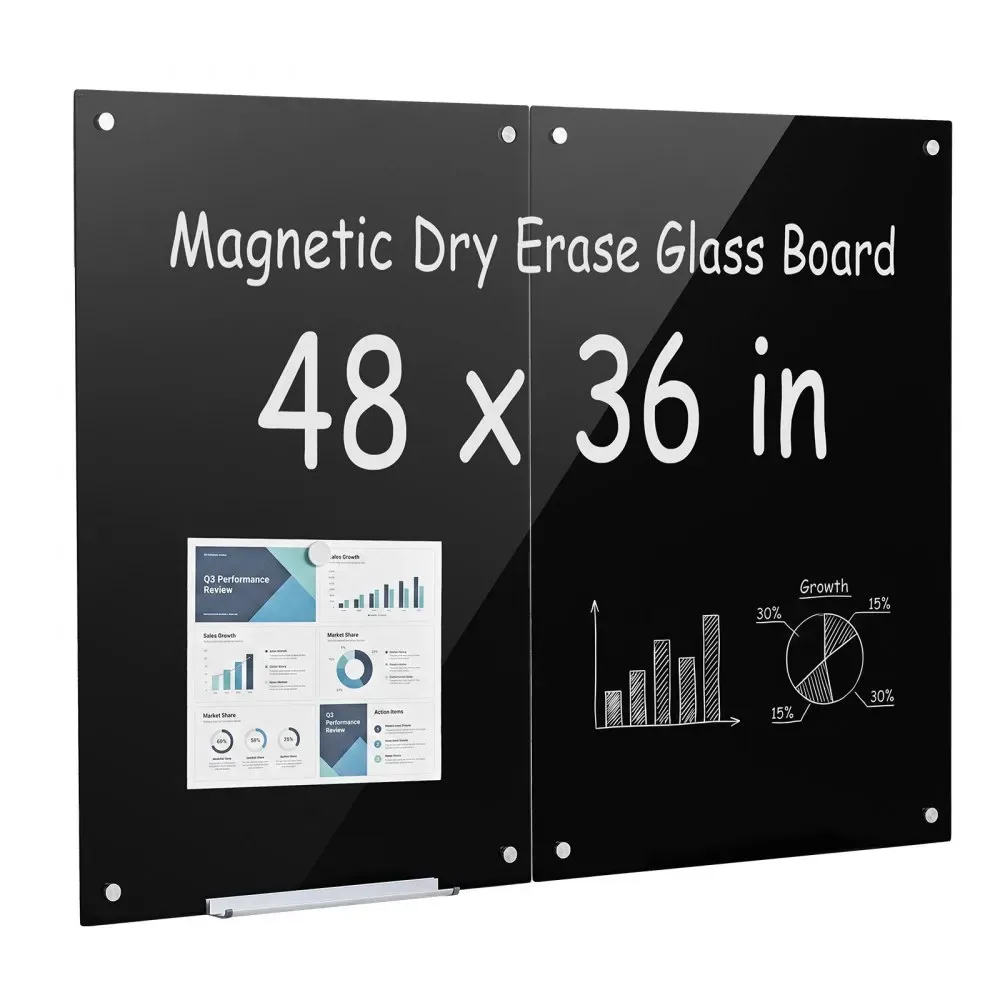
Glass whiteboards we carry
- VEVOR 2-pack glass dry erase board, white, 35.4 x 23.6 in – two magnetic boards for office or classroom
- VEVOR 2-pack glass dry erase board, black, 35.4 x 23.6 in – same size with a darker look
- VEVOR mobile glass dry erase board with stand and wheels – move it between rooms without mounting
- VEVOR magnetic glass whiteboard with round base – another mobile option with magnets
- VEVOR desktop glass dry erase board – a small angled board for a desk
Frequently asked questions
No. Glass is non-porous, so dry-erase ink stays on the surface and wipes off with a dry cloth. Avoid permanent markers, which are much harder to remove from glass.
Only steel-backed models are magnetic, so check the specs. The wall-mounted and mobile glass boards linked above are magnetic; a desktop model may not be.
Both can last 10 years or more with normal use. Porcelain handles edge impacts and dents better; glass handles stains and ghosting better. Your choice depends on how rough the board will be treated.
Yes. Use quality low-odor dry-erase markers on either surface and wipe them off promptly for the cleanest result.
They are heavier than melamine boards, so use proper wall anchors and a second person during installation. A mobile board with a stand avoids wall mounting altogether.
Frequently Asked Questions
Which is better: a glass or porcelain whiteboard?
Porcelain for boards used every day by a team; glass for light-to-medium use and a clean frameless look. Both are non-porous and ghost-resistant, unlike melamine boards.
Why do melamine whiteboards ghost but glass and porcelain do not?
Melamine is porous, so dry-erase ink slowly soaks in and leaves gray ghosts. Glass and porcelain are non-porous, so ink stays on the surface where a cloth removes it.
Are glass whiteboards magnetic?
Only when they have a steel backing, and the same applies to porcelain. Check the spec sheet before you rely on magnets.
How do I clean a whiteboard that has developed a haze?
Wipe it with a damp cloth and a mild cleaner. With normal cleaning, both glass and porcelain stay presentable for years.
Related Articles

Browse Related Products
Products covered by these guides.
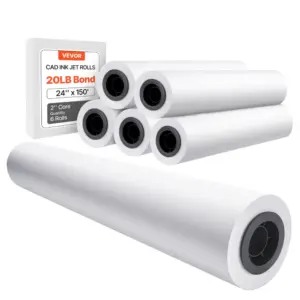
VEVOR Wide Format Paper, 24 in x 150 ft Plotter Paper, 6 Rolls CAD Bond Rolls with 2 in Core, 20 LB Bond Paper Rolls, Idea for CAD Drawings
$62.90Shop now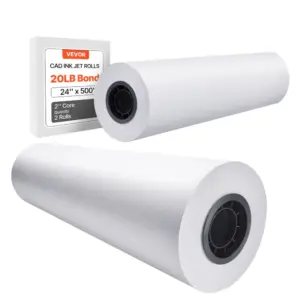
VEVOR Wide Format Paper, 24 in x 500 ft Plotter Paper, 2 Rolls CAD Bond Rolls with 3 in Core, 20 LB Bond Paper Rolls, Idea for CAD Drawings
$68.90Shop now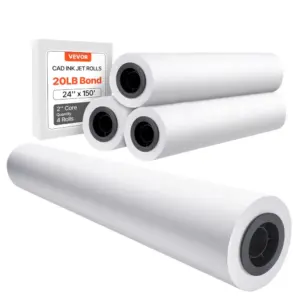
VEVOR Wide Format Paper, 24 in x 150 ft Plotter Paper, 4 Rolls CAD Bond Rolls with 2 in Core, 20 LB Bond Paper Rolls, Idea for CAD Drawings
$47.90Shop now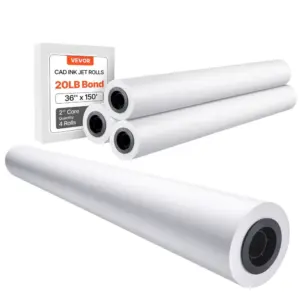
VEVOR Wide Format Paper, 36 in x 150 ft Plotter Paper, 4 Rolls CAD Bond Rolls with 2 in Core, 20 LB Bond Paper Rolls, Idea for CAD Drawings
$64.90Shop nowGet new guides first
New buying guides, size guides and restock alerts — one email a week.