
Garden & Outdoor Tools Buying Guide: Match Tools to Your Yard
The short answer
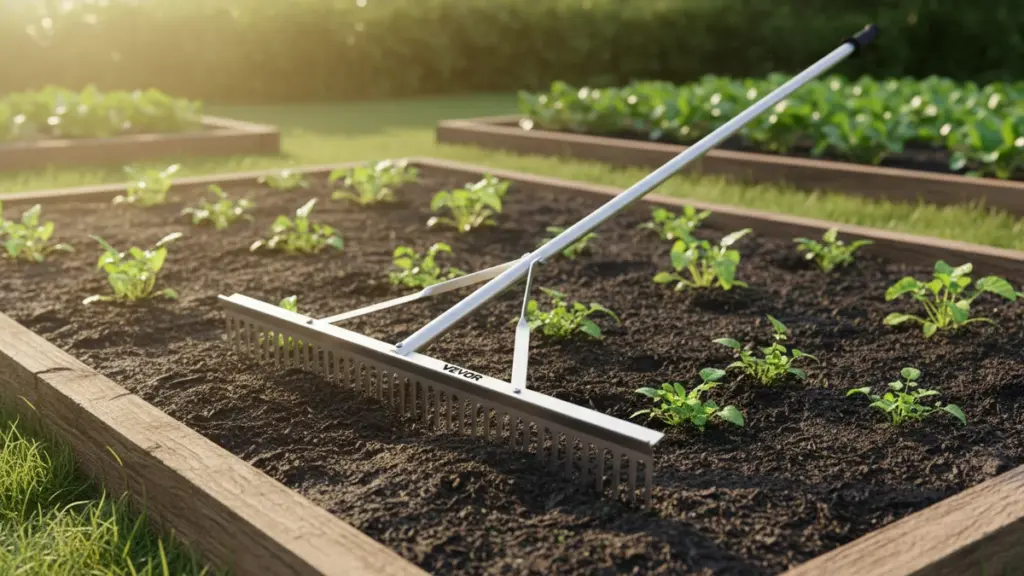
Choose garden and outdoor tools by the size of the area you maintain and the soil or surface you work with. A rake sized to the job saves hours; a cart rated for your real load saves your back. Buy the tool that matches the weekly chore, not the one that looks most impressive in the photo.
Start with the surface, then the size
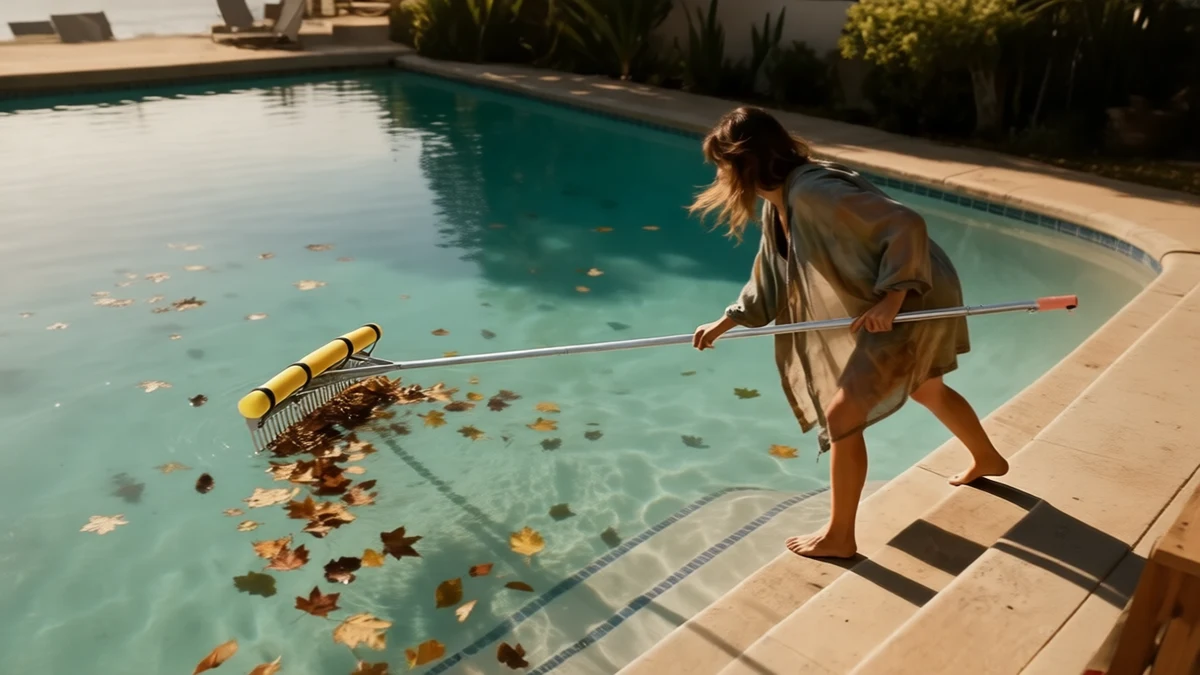
Landscaping tools are sized by head width and handle length, and both should match how you work. A wider head covers more ground per pass on open soil or gravel, while a narrower head is easier to control around beds and borders. Handle length sets your posture: a 75-inch handle lets you rake standing upright, and a 100+ inch handle extends your reach for ponds, ditches, or large lawns.
For leveling soil, spreading gravel, or smoothing concrete before it sets, an aluminum rake head stays light and rust-free. If your main job is clearing leaves, weeds, or pond growth, choose a head shape designed for raking rather than leveling.
Landscape rakes: match head and handle
| Job | Head width | Handle length | Best pick |
|---|---|---|---|
| Lawn leveling, soil prep | 36 inch | 75 inch | Standard landscape rake |
| Large lawns, gravel spreads | 36 inch | 102-133 inch | Long-handle landscape rake |
| Asphalt and concrete smoothing | 20 inch | 60 inch | Wide-head leveling rake |
A 36-inch head on a 75-inch handle is the versatile middle ground for most yards. Go longer when you rake without bending or need to reach beyond a bank, like the 36-inch rake with a 133-inch handle. The 75-inch version stores easily and suits everyday lawn care.
Garden carts and work seats: capacity and terrain
For moving soil, mulch, or tools around the yard, capacity and wheel design decide whether a cart gets used. A cart rated near 400 lb handles loaded bags and heavy buckets, and wide wheels roll over grass without sinking. A rolling garden seat doubles as a work stool, so you can sit while weeding and roll to the next bed without standing.
Check the load rating against your heaviest haul, and look for a frame that stays stable on uneven ground. The 400 lb rolling garden cart with seat covers both jobs in one tool.
Common mistakes to avoid
- Buying one rake for every job: leveling, weeding, and pond clearing need different head shapes.
- Ignoring handle length: a short handle on a big yard means a sore back by noon.
- Oversizing the cart: a cart rated far above your real load is heavier to push when empty.
- Choosing steel where aluminum fits: aluminum stays light and rust-free for most yard work.
Recommended gardening & outdoor tools
- VEVOR 36-inch landscape rake, 75-inch handle – the all-round yard rake
- VEVOR 36-inch landscape rake, 133-inch handle – extended reach for large areas
- VEVOR 20-inch leveling rake – asphalt and concrete smoothing
- VEVOR 400 lb rolling garden cart with seat – haul and sit in one tool
Browse the full gardening & outdoor collection for more options.
Match the head to the job: wider heads clear large areas faster, while narrower heads fit between plants and along edges. Start with the width that matches your most common task.
Count your heaviest typical load: a 400-500 lb cart handles soil, mulch, and tool hauling for most yards. Check the wheel size and terrain before choosing capacity.
Start with the surface you work most: lawn for rakes, beds for hand tools, or paving for carts. Matching the tool to the surface avoids buying the wrong size or type twice.
Bigger wheels roll better over grass and gravel, while smaller wheels suit smooth paving. If your yard has slopes, look for a lower center of gravity and a stable frame.
Related guides
For gear that travels with you, the outdoor & camping buying guide covers carts, tents, and trailers. If your yard work creates a mess, the cleaning equipment buying guide helps you choose the right cleaner.
Frequently Asked Questions
How do I choose a landscape rake head width?
Match it to the job: a 36-inch head covers open soil and gravel fast, while a 20-inch head is easier to control for asphalt and concrete smoothing.
What handle length is best for raking?
A 75-inch handle lets you rake standing upright; 102-133 inch handles extend reach for ponds, ditches, and large lawns without bending.
What capacity garden cart do I need?
Rate it for your heaviest haul: a 400 lb cart handles loaded bags and heavy buckets, and wide wheels roll over grass without sinking.
Can a rolling garden seat replace a cart?
It replaces the work stool, not the cart. The rolling seat with storage covers sitting, weeding, and light hauling in one tool.
Related Articles
Browse Related Products
Products covered by these guides.
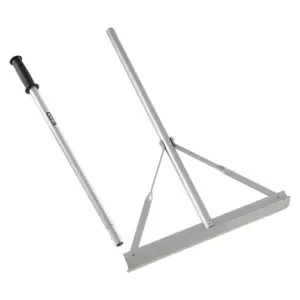
VEVOR Landscape Rake, 60 inch Handle 20 inch Wide Head, Large Heavy Duty Aluminum Landscaping Level, Asphalt Rake Tool for Asphalt & Land Leveling
$35.90Shop now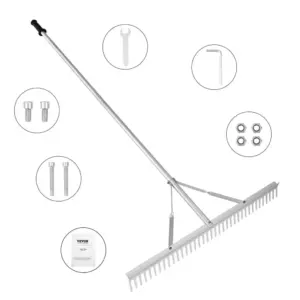
VEVOR Landscape Rake, 36" Head Aluminum Landscape Rake, Lake Weed Rake with 75" Long Handle, for Loosening Soil, Lawn Care, Weeding Lake, Garden, Pond
$39.90Shop now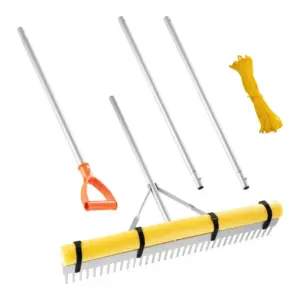
VEVOR Landscape Rake, 36 inch Wide Head 102 inch Handle, Large Heavy Duty Aluminum Landscaping Leaf Rake Tool, Asphalt Level for Loosening Soil
$50.90Shop now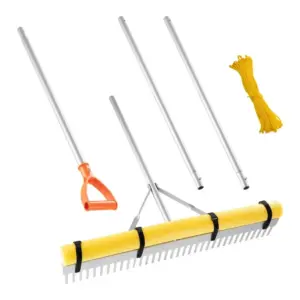
VEVOR Landscape Rake, 36 inch Wide Head 133 inch Handle, Large Heavy Duty Aluminum Landscaping Leaf Rake Tool, Asphalt Level for Loosening Soil
$51.90Shop nowGet new guides first
New buying guides, size guides and restock alerts — one email a week.