
Outdoor & Camping Gear Buying Guide: Match Gear to Your Trip
The short answer
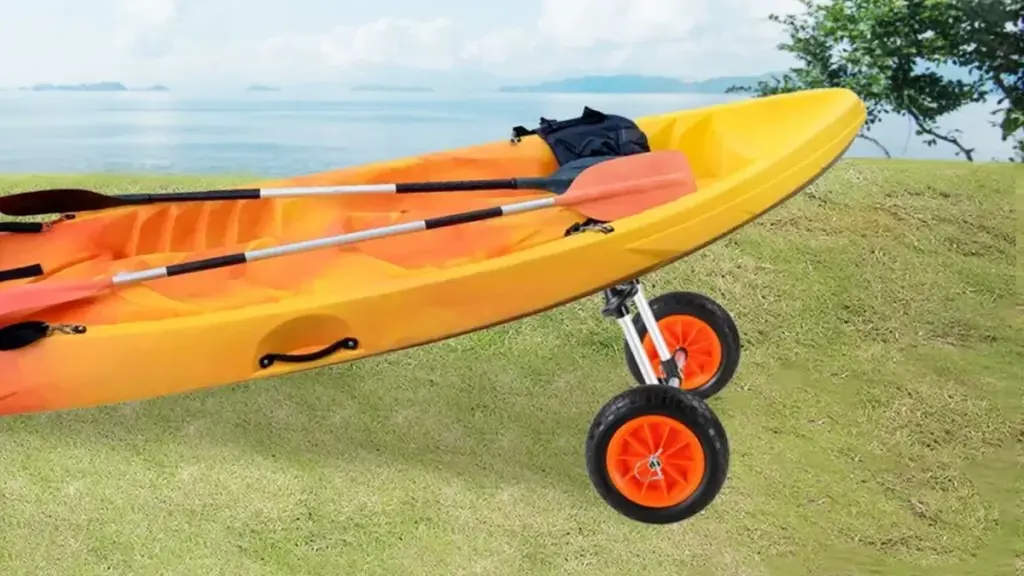
Before you buy outdoor or camping gear, decide whether it will be used on wheels, on the water, or on your back. That one answer filters out most wrong purchases. Buy for the trips you actually take, not the trips you imagine, and spend the budget on gear that gets used more than once a season.
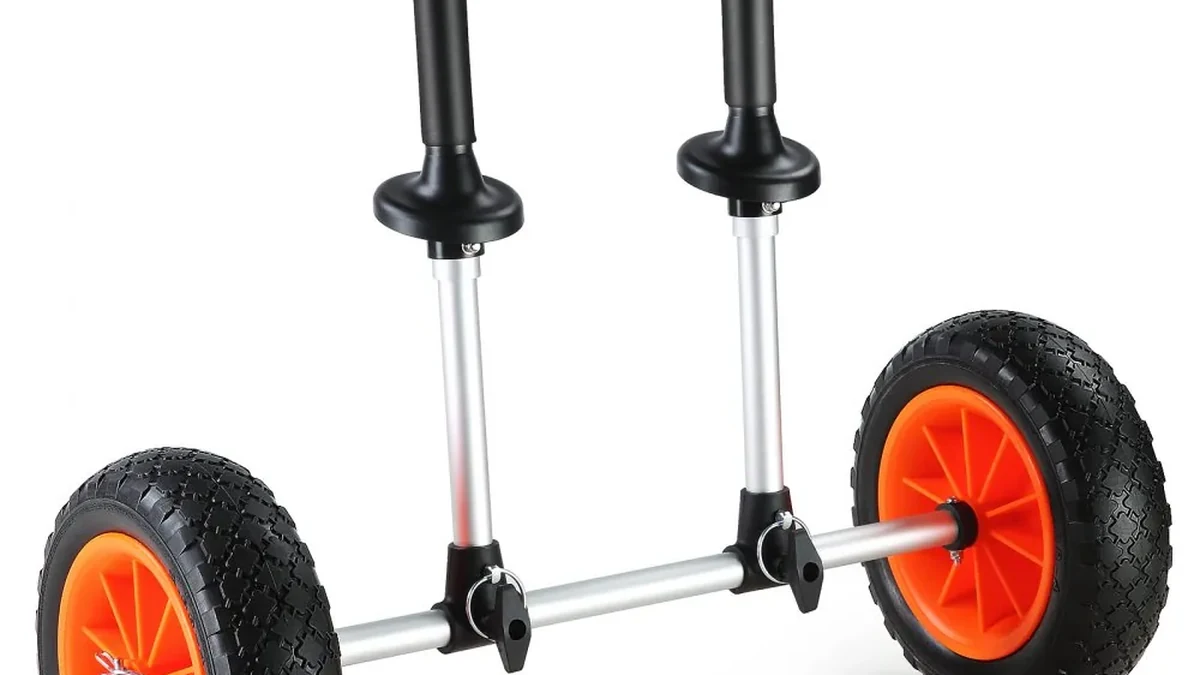
For anything that carries weight, the load rating is the number that matters. A kayak cart should be rated above your kayak plus your gear, because a fishing kayak with a crate, rod holders, and a battery can pass 150 lb before you add the paddler. Solid tires handle sand and gravel better than inflatable ones on soft ground, and an adjustable frame fits different hull widths.
The 280 lb capacity kayak cart with 10-inch solid tires covers fishing kayaks and canoes, and its detachable frame stores flat between trips.
Privacy and shelter gear: fabric and setup speed
For tents and shelters, the two specs that decide whether you actually use the gear are the fabric denier and the setup time. 150D Oxford fabric with a silver coating blocks sun and adds privacy, and a pop-up or two-pole design that sets up in minutes gets used; a complicated 20-pole tent stays in the trunk. A shower tent doubles as a changing room and portable toilet enclosure, which makes it the highest-use shelter item for camping families.
The 2-room camping shower tent gives you a changing area plus a shower or toilet space in one unit, with stakes and ropes included for windy sites.
Common mistakes to avoid
- Buying for the trip you wish you took: if a trip type is not on your calendar for this season, do not buy the gear for it yet.
- Ignoring load ratings: carts, racks, and steps all have one. Stay under 80% of the rating with your real load.
- Oversizing trailer accessories: 60-inch guides on a 14-foot aluminum boat look tough but can interfere with loading.
- Buying fabric by looks: denier and coating decide whether the shelter survives wind and sun, not the color.
Recommended outdoor & camping gear
- VEVOR 60-inch boat trailer guides – tall margin for ski boats and deep hulls
- VEVOR 48-inch boat trailer guides – the all-round size for most bass and ski boats
- VEVOR 280 lb kayak cart – solid tires, fits kayaks with 2.54 cm+ drain holes
- VEVOR 2-room camping shower tent – changing room plus shower or toilet space
See the full outdoor & camping collection for more options.
List the trip: car camping, kayaking, or trail work need completely different gear. Buy for the trip you take most, and add specialty items only when a specific trip requires them.
Add the kayak weight, paddlers, and gear, then stay below the rated capacity with margin. Check the roof rack and hull rating together, because the weakest point decides the safe load.
Fast-setup shelters suit frequent moves, while heavier fabrics block more light and last longer. Match the balance to how often you set up and how much privacy you need.
Start with shelter, sleep, and light: a tent, a sleeping pad, and a reliable lamp cover most trips. Add cooking and transport gear as your trip type becomes clear.
Related guides
Pool owners should read our sand filter pump vs cartridge guide before buying filtration gear. If you heat with firewood, our firewood rack size guide explains how much wood actually fits each rack.
Frequently Asked Questions
How do I choose outdoor and camping gear?
Name the trips you actually take first - car camping, fishing, kayaking, or RV - then buy the specific item for that trip. Load rating and fabric quality matter more than looks.
What size boat trailer guide do I need?
Match pole height to your hull. 40-inch suits small aluminum and fishing boats, 48-inch fits most bass and ski boats, and 60-inch gives the tallest margin for deep hulls and rough ramps.
How much weight should a kayak cart hold?
Above your loaded kayak weight - a fishing kayak with gear can pass 150 lb. A 280 lb capacity cart with solid tires handles sand and gravel.
What fabric is best for camping shelters?
150D Oxford with a silver coating blocks sun and adds privacy. Setup speed matters too: a simple two-pole or pop-up shelter gets used, while a complicated one stays in the trunk.
Related Articles

Browse Related Products
Products covered by these guides.
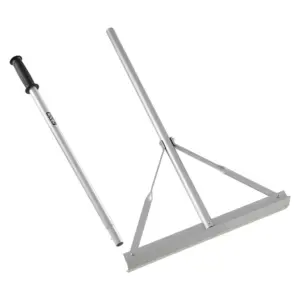
VEVOR Landscape Rake, 60 inch Handle 20 inch Wide Head, Large Heavy Duty Aluminum Landscaping Level, Asphalt Rake Tool for Asphalt & Land Leveling
$35.90Shop now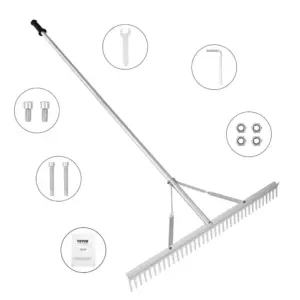
VEVOR Landscape Rake, 36" Head Aluminum Landscape Rake, Lake Weed Rake with 75" Long Handle, for Loosening Soil, Lawn Care, Weeding Lake, Garden, Pond
$39.90Shop now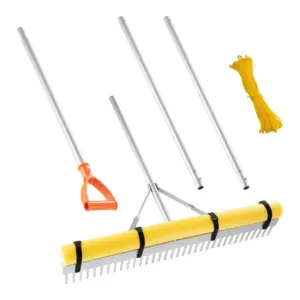
VEVOR Landscape Rake, 36 inch Wide Head 102 inch Handle, Large Heavy Duty Aluminum Landscaping Leaf Rake Tool, Asphalt Level for Loosening Soil
$50.90Shop now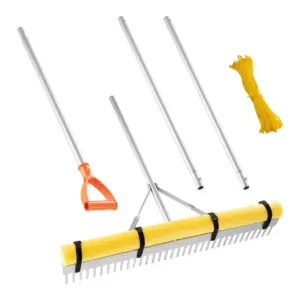
VEVOR Landscape Rake, 36 inch Wide Head 133 inch Handle, Large Heavy Duty Aluminum Landscaping Leaf Rake Tool, Asphalt Level for Loosening Soil
$51.90Shop nowGet new guides first
New buying guides, size guides and restock alerts — one email a week.