
Material Handling Buying Guide: Dollies, Carts & Tie-Downs
The short answer
Choose material handling equipment by the weight you move, how often you move it, and who has to do the moving. If two people carry something more than twice a month, buy a tool for it. If a load is over 50 lb, it deserves a dolly, cart, or lifting aid instead of a back.
Define the load and the route first
Material handling fails when the tool fits the load but not the route. A dolly with the right capacity is useless if its wheels cannot roll over the gravel path or through the door. Before buying, answer three questions: what is the heaviest load (in pounds), what surface does it travel on (concrete, gravel, grass), and how many people will operate it.
For loads on wheels, wheel size and type decide the terrain. Solid rubber wheels roll quietly on concrete and warehouse floors. Larger pneumatic or semi-pneumatic wheels handle gravel, grass, and curbs. Locking casters matter when you load or unload on a slope.
Dollies and carts: capacity and footprint
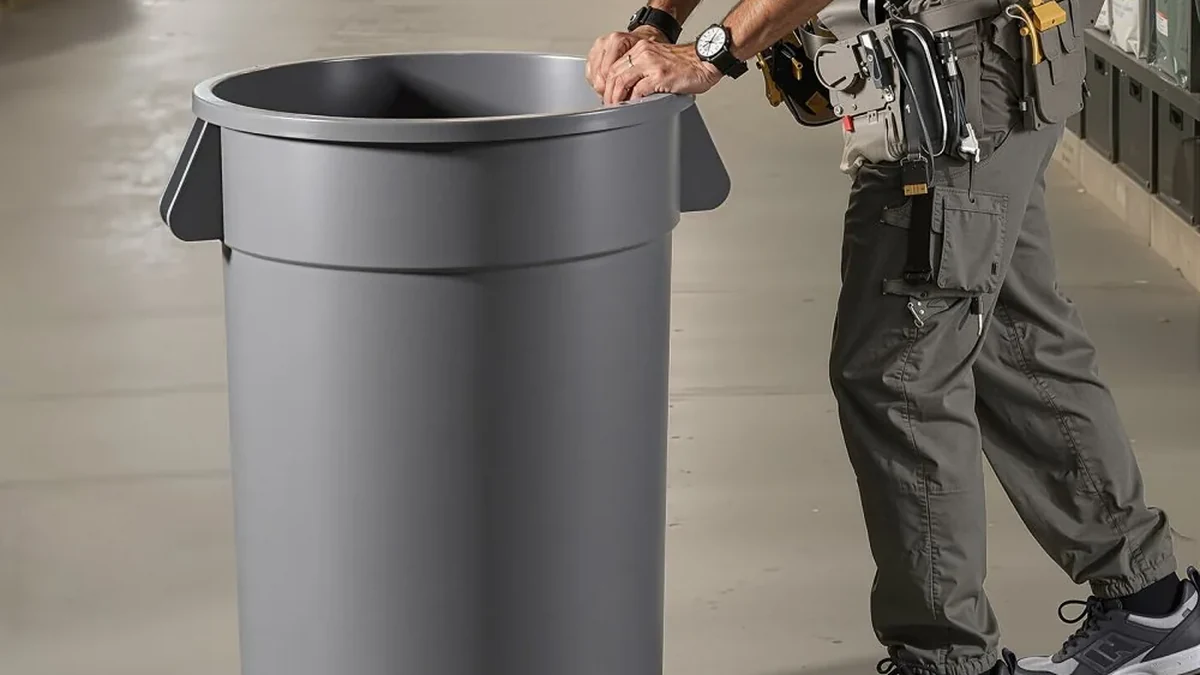
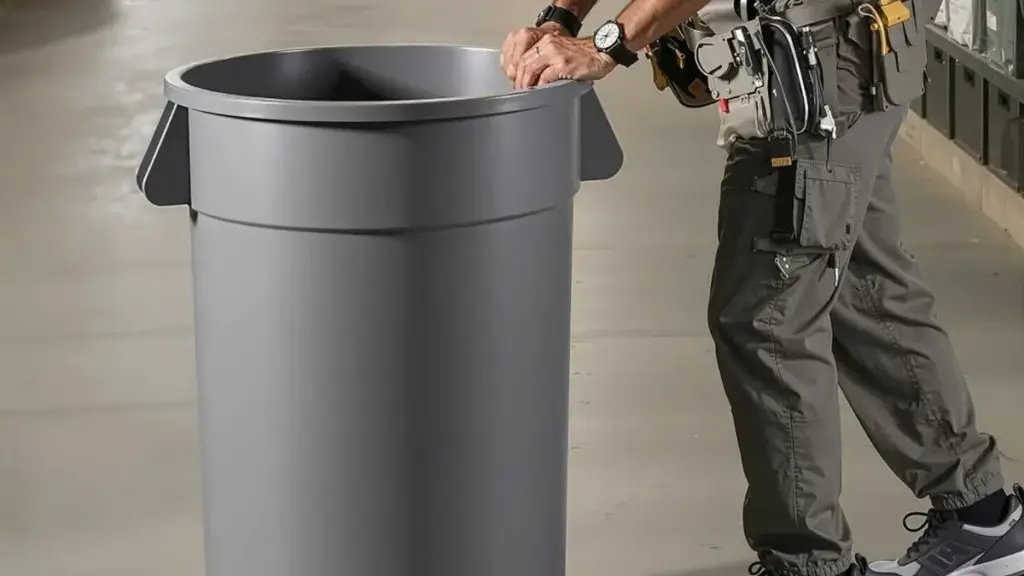
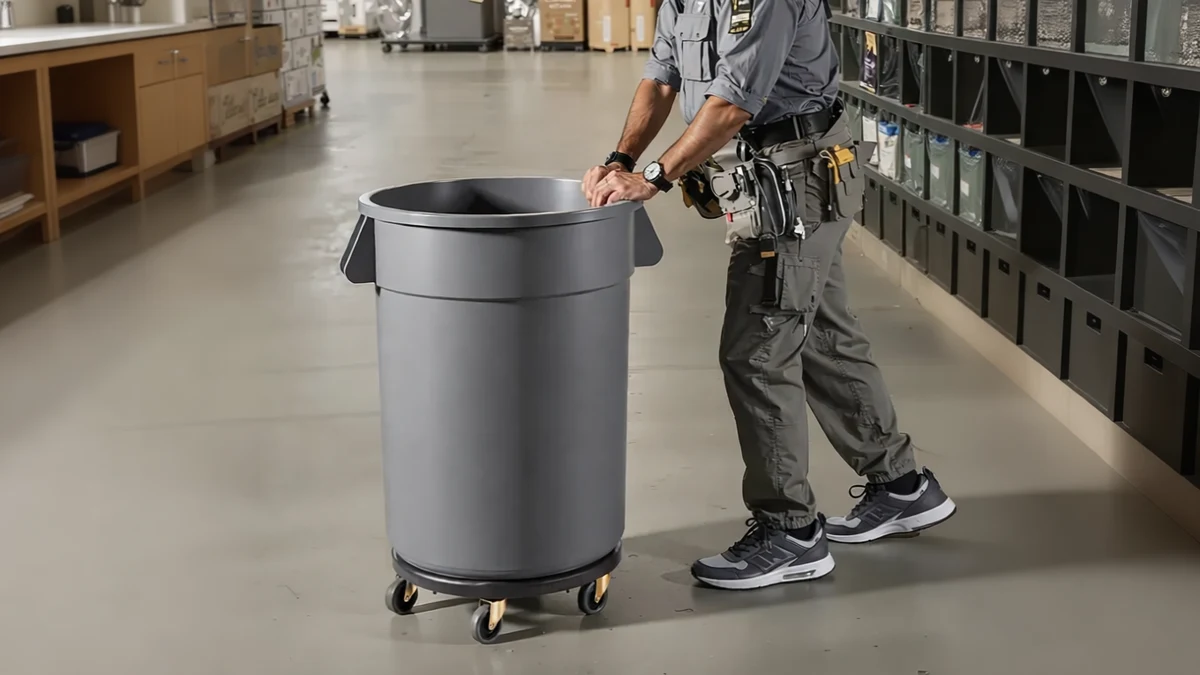
Dolly capacity should sit comfortably above your real load, because the listed rating assumes ideal weight distribution. A trash can dolly rated at 500 lb handles a loaded 55-gallon container with room to spare, and multi-pack versions let you service several bins with one purchase. Check that the dolly’s ring or base fits the container diameter, not just the gallon size.
The single trash can dolly suits a home or small shop, while the 2-pack version covers commercial kitchens and multi-bin buildings.
Tie-downs and binders: match the working load
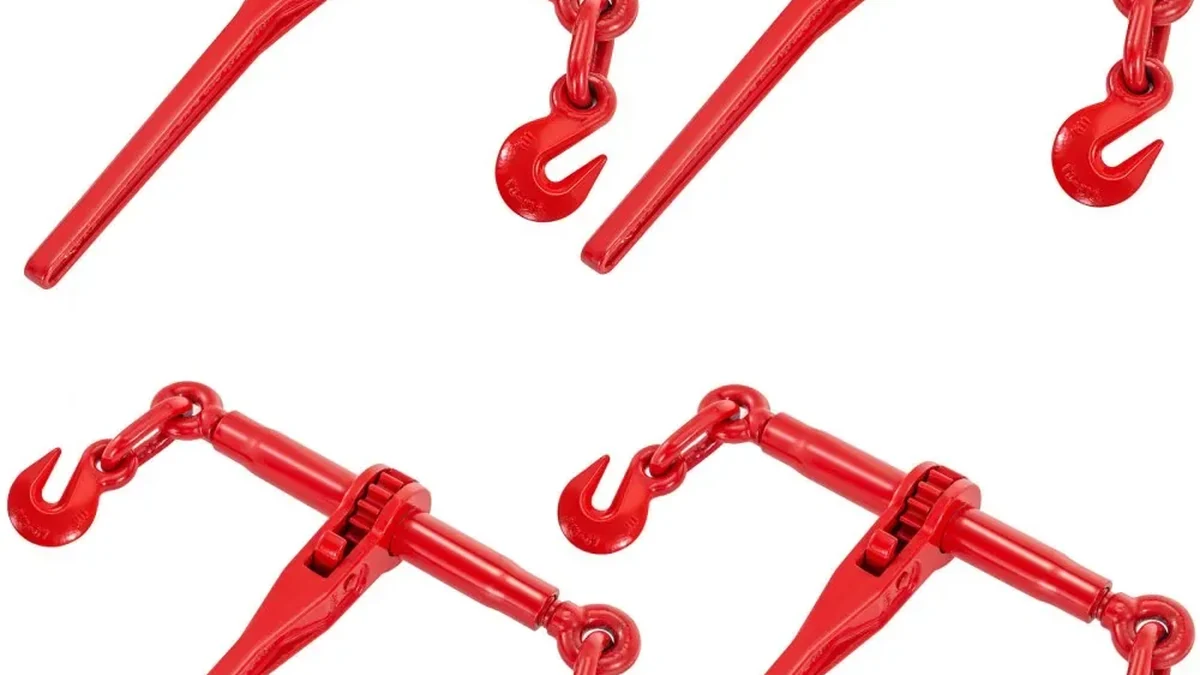
For securing loads, the number that matters is the working load limit, not the breaking strength. Ratchet binders are rated for the chain grade they work with (G70 and G80 are the common hauling grades), and the binder’s working load should match or exceed the chain’s. Undersized binders fail at the worst moment; oversized ones are heavy to operate.
A 9,215 lb working-load ratchet binder with G70 hooks pairs with 3/8-1/2 inch grade 70-80 chain for standard towing and hauling. Buy them in pairs or packs of four so you can secure multiple points at once: the 4-pack covers a trailer with two straps, and the 2-pack suits lighter loads.
Common mistakes to avoid
- Buying by wheel size alone: wheel material matters more than diameter on soft ground.
- Ignoring the working load limit: breaking strength is marketing; working load is what you rely on.
- Skipping locking wheels: on any slope, a dolly without brakes rolls away mid-task.
- Mixing chain grades: a G70 chain with an unrated binder is an accident waiting for a load.
Recommended material handling products
- VEVOR 9,215 lb ratchet binders, 4-pack – G70 hooks for grade 70-80 chain
- VEVOR 9,215 lb ratchet binders, 2-pack – light towing and hauling
- VEVOR trash can dollies, 2-pack – 500 lb capacity, fits 20-55 gallon containers
- VEVOR trash can dolly, single – home and small shop
Browse the full material handling collection for dollies, binders, and more.
Size the dolly to your heaviest load plus margin: a 600 lb dolly handles appliances and stacked boxes, while lighter dollies suit luggage and small deliveries. Never run a dolly at its limit.
Match the working load limit to the load weight and always use rated hardware. Check the strap material, length, and hook style against what you tie down before buying.
Working load limit is the safe maximum load a tie-down can hold in normal use. Staying under it keeps loads secure and legal; exceeding it risks strap failure and accidents.
Start with a rated dolly and a set of tie-downs sized to your most common loads. Add furniture pads and load bars only when specific moves prove you need them.
Related guides
For securing loads on a trailer, the electric trailer jack sizing guide covers the other half of safe towing. If you are organizing the space the equipment moves through, see the storage & organization buying guide.
Frequently Asked Questions
How do I choose material handling equipment?
Define the heaviest load, the surface it travels on, and who operates it. If two people carry something more than twice a month, buy a tool for it.
What is working load limit vs breaking strength?
Working load is what you rely on in daily use; breaking strength is marketing. Match the binder's working load to the chain grade - G70 hooks for grade 70-80 chain.
What trash can dolly capacity do I need?
A 500 lb rated dolly handles a loaded 55-gallon container with margin. Check that the ring or base fits your container diameter, and get locking wheels for slopes.
What wheels work best for a dolly on gravel?
Larger semi-pneumatic or solid wheels roll over gravel and grass better than small hard casters. Solid wheels suit concrete; pneumatic suits rough terrain.
Related Articles


Browse Related Products
Products covered by these guides.
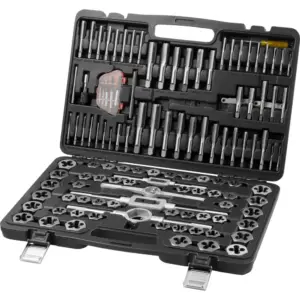
VEVOR Tap and Die Set, 116-Piece Include Metric and SAE Size, Bearing Steel Taps and Dies
Original price was: $88.90.$80.01Current price is: $80.01.Shop now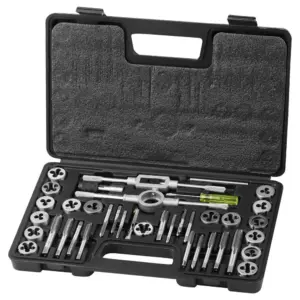
VEVOR Tap and Die Set, 40-Piece Include Metric Size M3 to M12, Bearing Steel Taps and Dies
$29.90Shop now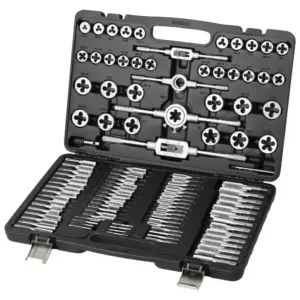
VEVOR Tap and Die Set, 110-Piece Include Metric Size M2 to M18, Bearing Steel Taps and Dies
$79.90Shop now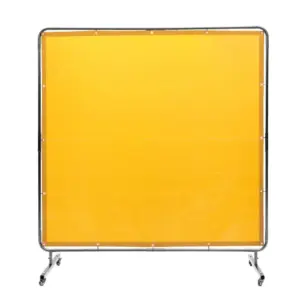
VEVOR Welding Screen with Frame, 6' x 6' Welding Curtain Screen, Flame-Resistant Vinyl Welding Protection Screen on 4 Swivel Wheel (2 Lockable)
$49.90Shop nowGet new guides first
New buying guides, size guides and restock alerts — one email a week.