
Office Organizers Buying Guide: Dividers & Paper Rolls

The short answer
Choose office organization products by the format of the work you handle and the space you have. Paper and plotter rolls are matched by size and core; room dividers are matched by how often they move and how much privacy you need. Buy for the workflow, and the office stays organized without constant re-buying.

Plotter and wide-format paper: match the roll
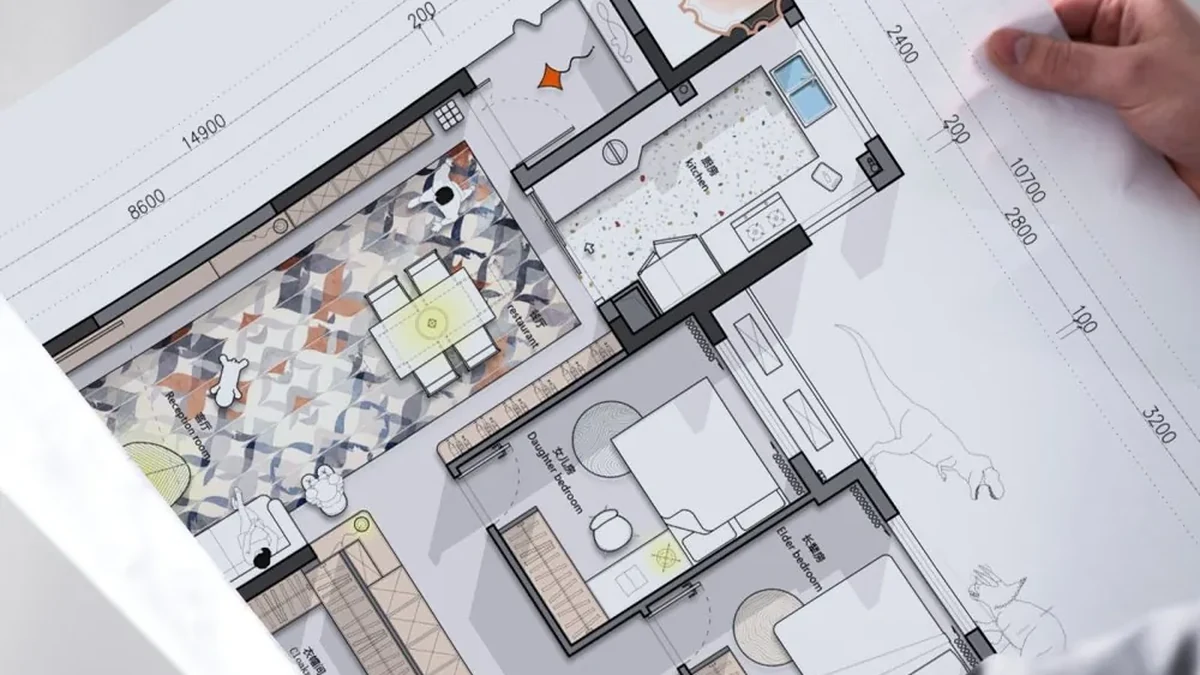
For CAD drawings, engineering plans, and architectural prints, the paper specs that matter are width, roll length, and core size. The roll width must match your plotter, and the core must fit the printer spindle: a 2-inch core fits standard plotters, while a 3-inch core suits heavy-duty machines. Longer rolls mean fewer changes but heavier handling.
| Roll | Width | Core | Best for |
|---|---|---|---|
| 6 rolls x 150 ft | 24 inch | 2 inch | Drafting and CAD, frequent printing |
| 4 rolls x 150 ft | 36 inch | 2 inch | Architectural and large-format |
| 2 rolls x 500 ft | 24 inch | 3 inch | High-volume production |
20 lb bond paper is the standard for drafts and prints that need to survive marking. The 2-roll 24-inch pack suits steady production, while the 4-roll 36-inch pack covers architectural sheets.
Room dividers: panels, privacy, and portability
Dividers are sized by the space they close off and the privacy they provide. A four-panel divider covers roughly a 6-8 foot span and creates a private zone in an open office, bedroom, or study. Fabric panels absorb a little sound and look intentional; folding designs store flat when the room must open up.
Check the panel height against the furniture it screens, and choose wheels or a lightweight fold if you reconfigure the space often. The 4-panel fabric room divider is the flexible option for offices and shared rooms.
Common mistakes to avoid
- Buying rolls that do not fit the plotter: check width and core size against the machine first.
- Overbuying roll length: long rolls are heavy and awkward to load if you print occasionally.
- Choosing a divider by looks: height, portability, and fabric matter for privacy and noise.
- Ignoring storage: dividers and paper need somewhere to live when not in use.
Recommended office organizer products
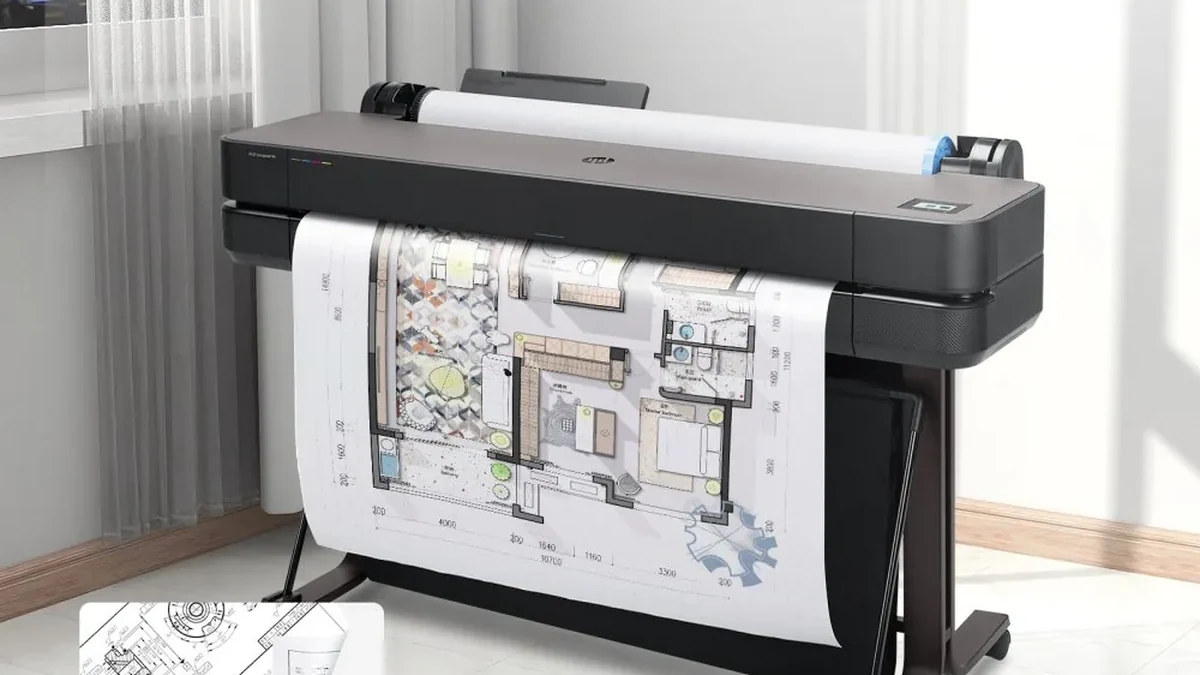
- VEVOR 24-inch plotter paper, 2 x 500 ft – high-volume CAD printing
- VEVOR 36-inch plotter paper, 4 x 150 ft – architectural formats
- VEVOR 24-inch plotter paper, 6 x 150 ft – frequent drafting
- VEVOR 4-panel fabric room divider – flexible office privacy
Browse the full office organizers collection.
Match the roll to your plotter width and the documents you print: wider rolls suit blueprints and banners, while narrow rolls cover standard sheets. Check the core diameter and roll length against your machine.
Two panels make a flexible screen for a desk or corner, while three or more panels create larger private zones. Count the space you need to block and the openings you want to keep.
Portable dividers with wheels or folding panels reconfigure a room as needs change. Fixed dividers give a permanent layout. Most offices start with portable panels because they adapt to growth.
Start with the mess that costs you time daily: paper and roll storage if you print, or a divider if noise and privacy are the problem. One well-chosen organizer beats several half-fits.
Related guides
For presentation surfaces, the whiteboard buying guide compares cork, glass, and dry-erase boards. To keep the whole workspace tidy, the storage & organization buying guide is next.
Frequently Asked Questions
How do I choose a room divider?
Match panel height to the space and fabric to the look: 4-panel beige fabric dividers give privacy and soften sound in open offices.
What wide format paper should I buy?
Match roll length to print volume: 150 ft rolls for occasional CAD, 500 ft rolls for frequent plotting, and pick 20 lb bond for standard plans.
2, 4, or 6 rolls of plotter paper?
Buy by usage rate - 2 rolls for light plotting, 4-6 rolls for regular production so you rarely run out mid-job.
What core size do CAD printers need?
Most engineering plotters use a 2-inch core; check your printer's roll core requirement before ordering.
Related Articles



Browse Related Products
Products covered by these guides.
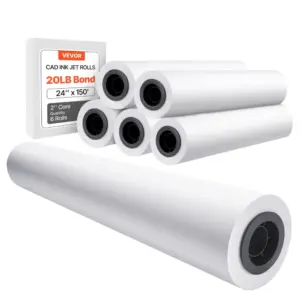
VEVOR Wide Format Paper, 24 in x 150 ft Plotter Paper, 6 Rolls CAD Bond Rolls with 2 in Core, 20 LB Bond Paper Rolls, Idea for CAD Drawings
$62.90Shop now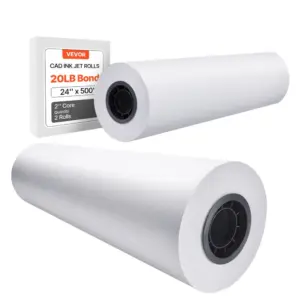
VEVOR Wide Format Paper, 24 in x 500 ft Plotter Paper, 2 Rolls CAD Bond Rolls with 3 in Core, 20 LB Bond Paper Rolls, Idea for CAD Drawings
$68.90Shop now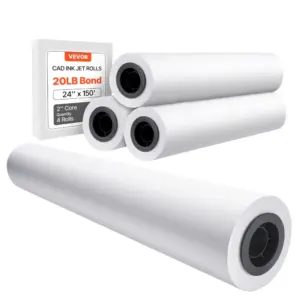
VEVOR Wide Format Paper, 24 in x 150 ft Plotter Paper, 4 Rolls CAD Bond Rolls with 2 in Core, 20 LB Bond Paper Rolls, Idea for CAD Drawings
$47.90Shop now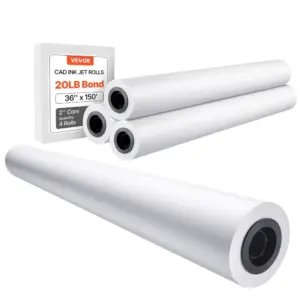
VEVOR Wide Format Paper, 36 in x 150 ft Plotter Paper, 4 Rolls CAD Bond Rolls with 2 in Core, 20 LB Bond Paper Rolls, Idea for CAD Drawings
$64.90Shop nowGet new guides first
New buying guides, size guides and restock alerts — one email a week.