
Plumbing Tools Buying Guide: Match Dies & Valves to Your Pipes
The short answer
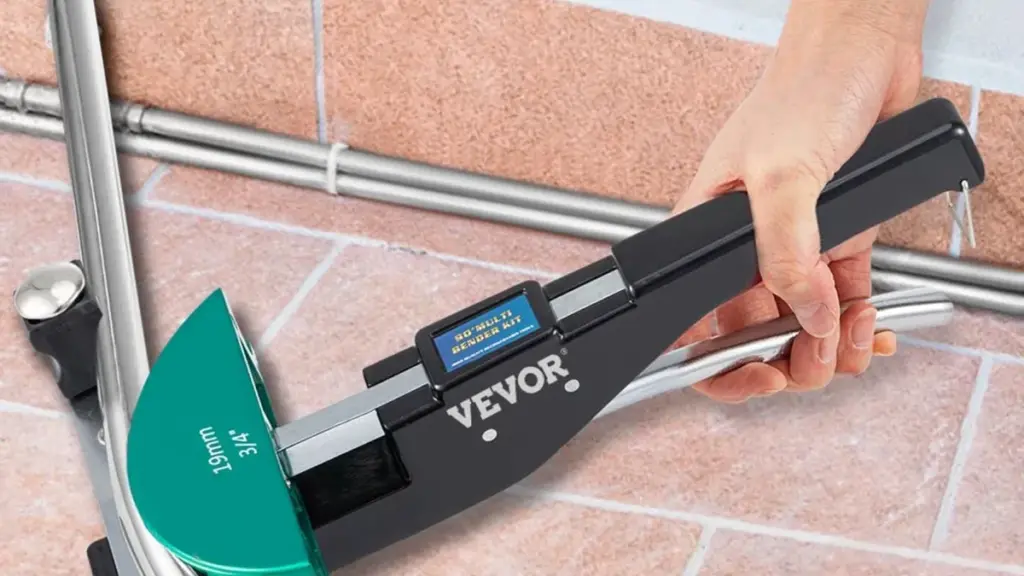
Choose plumbing and pipe tools by the pipe material and the fitting size you work with. Benders are matched to tube diameter, and shutoff valves are matched to the pipe connection type. Buy the tool that fits the job’s tubing, because a bender or valve that does not match the size simply will not work.
Pipe benders: match the dies to the tube
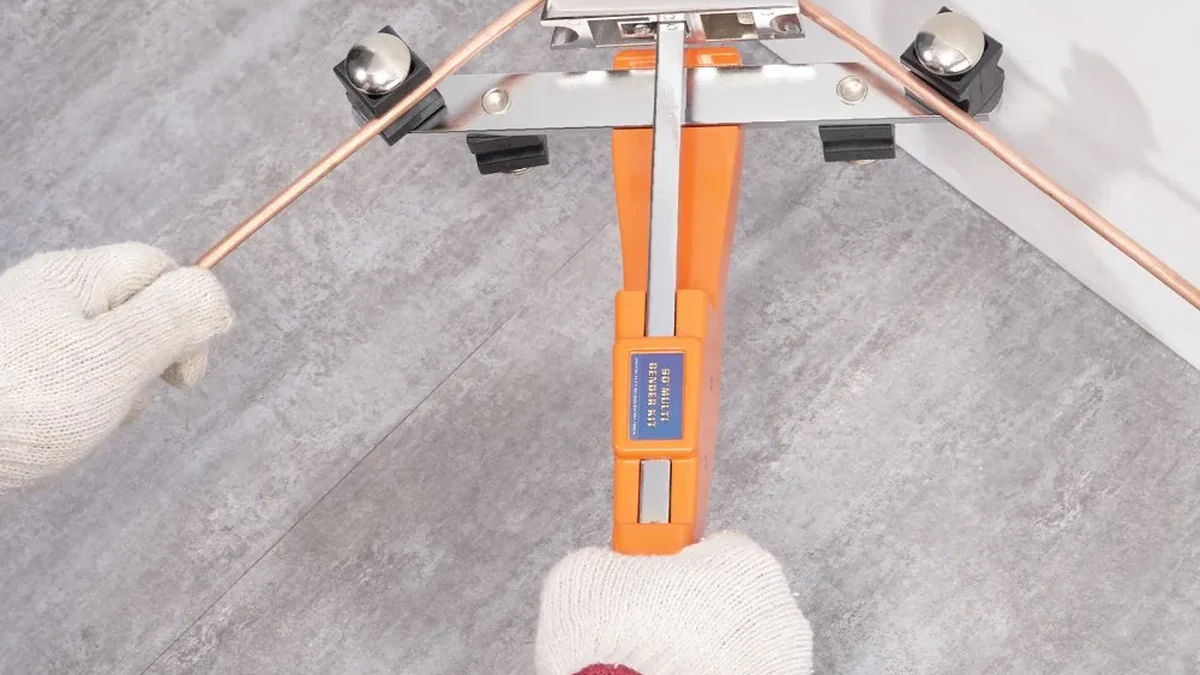
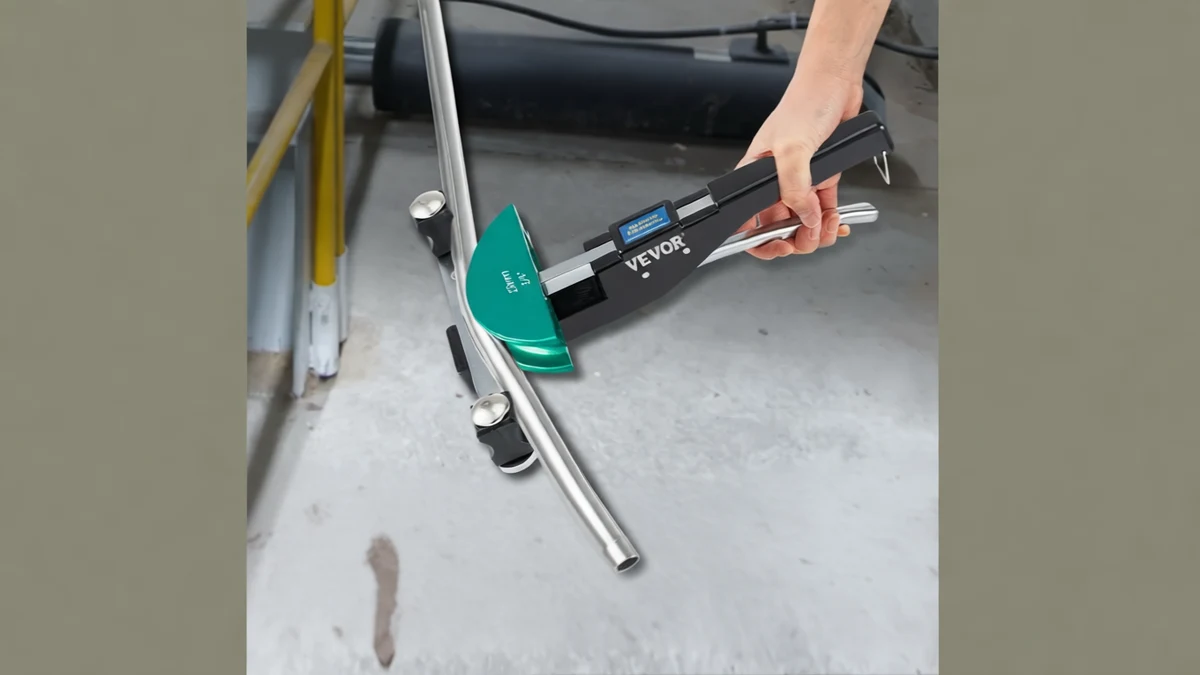
Tube benders form clean 90-degree bends without kinking copper or aluminum line. They are matched to the tube diameter by dies, and a set that covers 1/4 to 7/8 inch (6-22 mm) handles most HVAC, refrigerator, and plumbing jobs. A ratcheting bender gives consistent bends with less arm force, and a reverse-bend attachment lets you correct a bend without cutting the tube.
The 7-die copper pipe bender covers the standard tube range for HVAC and plumbing, and the ratcheting tubing bender with pipe cutter adds a cutter for on-the-spot work.
Shutoff valves: match the connection type
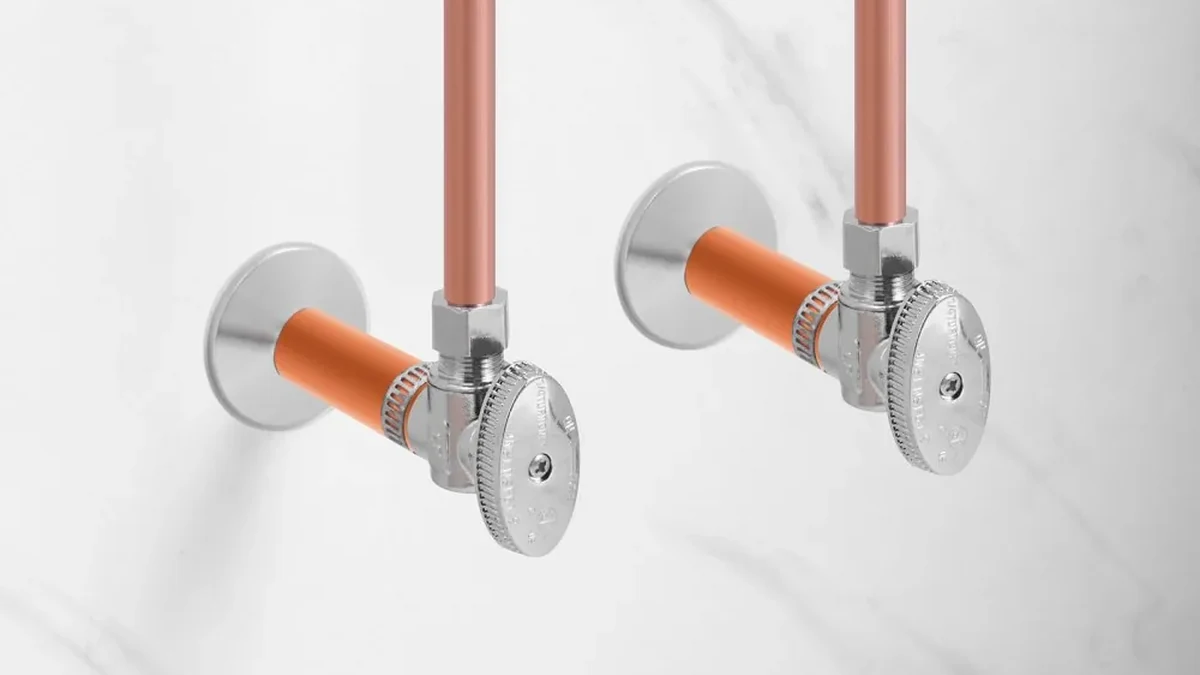
Angle stop valves control water to sinks, toilets, and showers, and they are sized by the pipe connection, not the valve body. Compression fittings work with copper, PEX, CPVC, and PE-RT; push-to-connect (PTC) versions install without tools. The outlet is typically 3/8 inch OD for fixture supply lines.
| Connection | Inlet | Best for |
|---|---|---|
| Compression | 1/2 inch PEX or 5/8 inch OD | Copper, PEX, CPVC |
| Push-to-connect | 1/2 inch PTC | Tool-free install, retrofits |
A 1/4-turn valve shuts off fully with a quarter turn, which is faster and more reliable than multi-turn valves. Chrome-plated brass resists corrosion behind walls and under sinks. The 10-pack compression angle stop valves cover a full bathroom remodel, and the push-to-connect version installs in seconds.
Common mistakes to avoid
- Buying bender dies by pipe size: dies match tube outside diameter, not the nominal pipe size.
- Mismatching valve connections: a PEX inlet will not grip copper unless it is the right fitting type.
- Skipping the 1/4-turn valve: multi-turn valves wear and are slower to shut off in a leak.
- Ignoring the outlet size: fixture supply lines need a 3/8 inch OD outlet for standard hoses.
Recommended plumbing & pipe tools
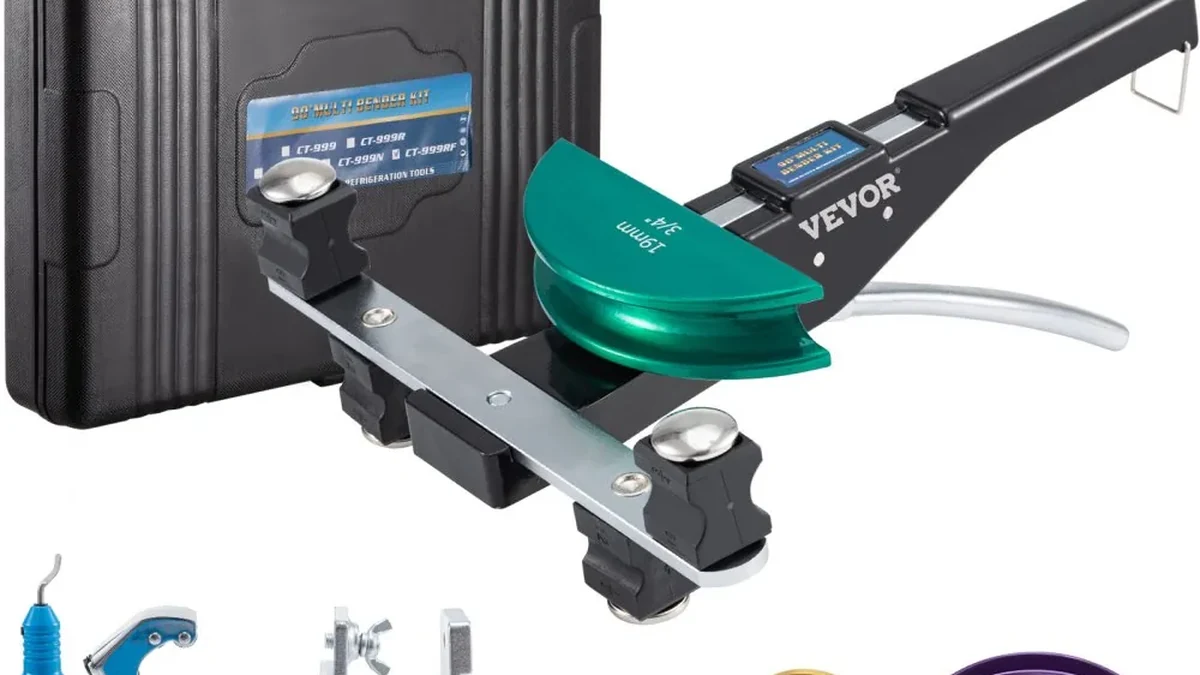
- VEVOR 7-die copper pipe bender – 1/4 to 7/8 inch, forward and reverse
- VEVOR ratcheting tubing bender with cutter – HVAC and refrigeration
- VEVOR 10-pack compression angle stop valves – copper and PEX remodels
- VEVOR 10-pack push-to-connect angle stop valves – tool-free installs
Browse the full plumbing & pipe tools collection.
Buy dies that match the tubing you actually bend, usually starting with the two most common diameters in your work. Each die is sized to a specific tube outside diameter, so a die that is close but wrong will kink the tube.
Match the valve to the connection type and the pipe material: compression, threaded, and push-fit valves suit different setups. Also check the working pressure and whether you need a full or reduced flow opening.
Use the connection that matches your existing pipes and your skill level: threaded and push-fit are beginner-friendly, while compression gives a reliable seal on copper. Never mix connection types without an adapter.
Start with a quality pipe cutter, a reamer, and a small bender set, then add shutoff valves and a leak-testing method. Buy tools sized to your home pipes first, and add specialty tools per project.
Related guides
For the fittings around your home, the building materials buying guide covers locks and hardware. Threading work pairs well with the automotive tools buying guide.
Frequently Asked Questions
What angle stop valve connection should I use?
Match to your pipe: push-to-connect (PTC) for PEX and CPVC, compression for copper, and 1/4-turn chrome bodies for bathrooms and kitchens.
How many angle stops do I need?
One per fixture supply line - a 10-pack covers a typical bathroom remodel with spares.
What pipe bender size do I need?
Match to pipe diameter and bend radius: a bender sized to your tube prevents kinks in copper and aluminum runs.
Why choose a 1/4-turn valve?
It opens and closes in a quarter turn, easier to use and less likely to fail than multi-turn valves.
Related Articles

Browse Related Products
Products covered by these guides.
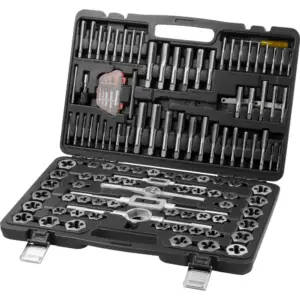
VEVOR Tap and Die Set, 116-Piece Include Metric and SAE Size, Bearing Steel Taps and Dies
Original price was: $88.90.$80.01Current price is: $80.01.Shop now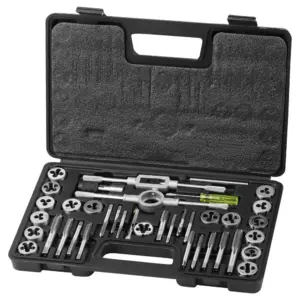
VEVOR Tap and Die Set, 40-Piece Include Metric Size M3 to M12, Bearing Steel Taps and Dies
$29.90Shop now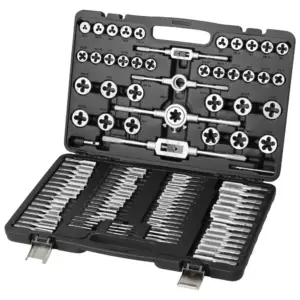
VEVOR Tap and Die Set, 110-Piece Include Metric Size M2 to M18, Bearing Steel Taps and Dies
$79.90Shop now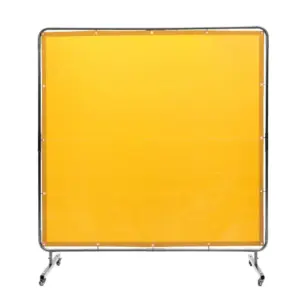
VEVOR Welding Screen with Frame, 6' x 6' Welding Curtain Screen, Flame-Resistant Vinyl Welding Protection Screen on 4 Swivel Wheel (2 Lockable)
$49.90Shop nowGet new guides first
New buying guides, size guides and restock alerts — one email a week.