
Building Materials Buying Guide: Hardware That Lasts
The short answer
Choose building materials and hardware by the environment they will live in, not by the finish that looks best in the photo. Outdoor-rated materials must survive weather; indoor materials must survive use. For doors, gates, and enclosures, the deciding spec is usually the material of the hardware, not the brand of the lock.
Match the material to the environment
Every building project starts with one question: will this live outdoors or indoors? Outdoor hardware faces rain, UV, and temperature swings, so the metal and its coating matter more than the mechanism. Stainless steel and zinc alloy resist corrosion; powder-coated finishes add another layer. Indoor hardware can prioritize look and convenience because the environment is forgiving.
For gates, fences, sheds, and garage entrances, this rule decides almost everything. A keypad lock with a zinc alloy body and waterproof seals survives years outside, while a cheaper painted body will rust at the screw holes within a season.
Keyless entry locks: mechanical vs electronic
| Type | Best for | Trade-off |
|---|---|---|
| Mechanical keypad | Gates, sheds, rental properties, outdoor exposure | No batteries or wiring, but no remote access |
| Electronic keypad | Home doors and offices | Convenient codes and audit trails, but needs power |
| Keyed lock | Anything where keys are already the system | Simple and reliable, but keys get lost |
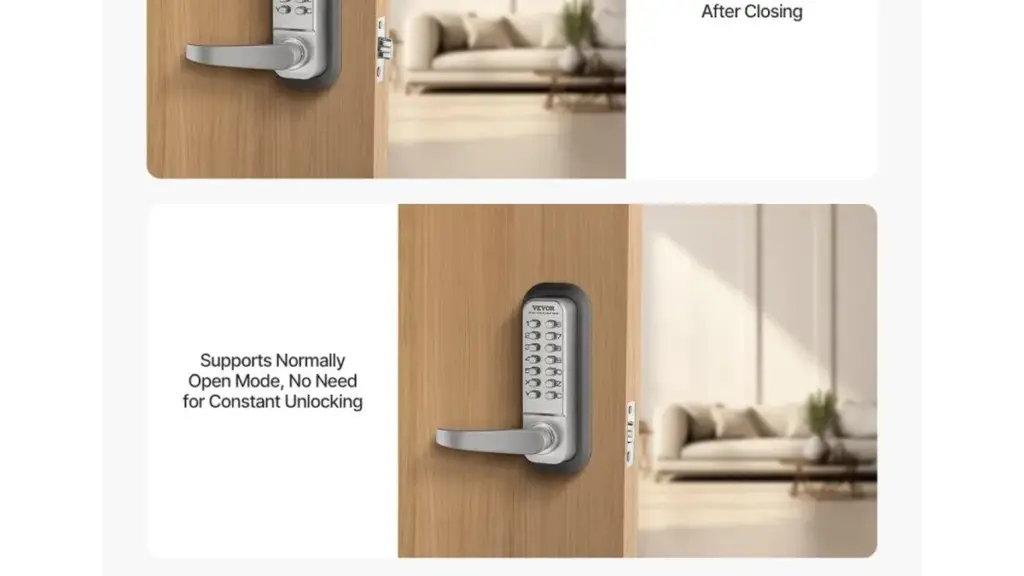
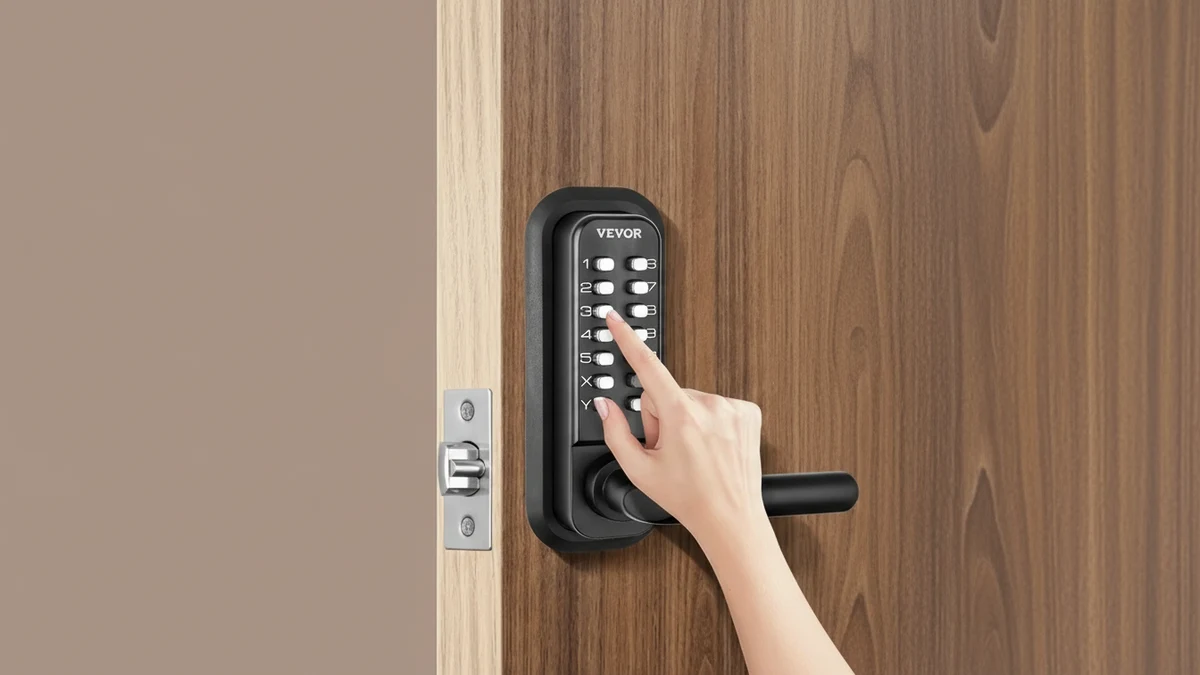
Mechanical keypad locks are the sweet spot for outdoor gates and storage: no batteries to die in winter, no smart hub required, and a code that can be shared with family or staff. They are built around a mechanical latch and keypad, which means the moving parts are simple and field-serviceable.
How to choose a keypad door lock
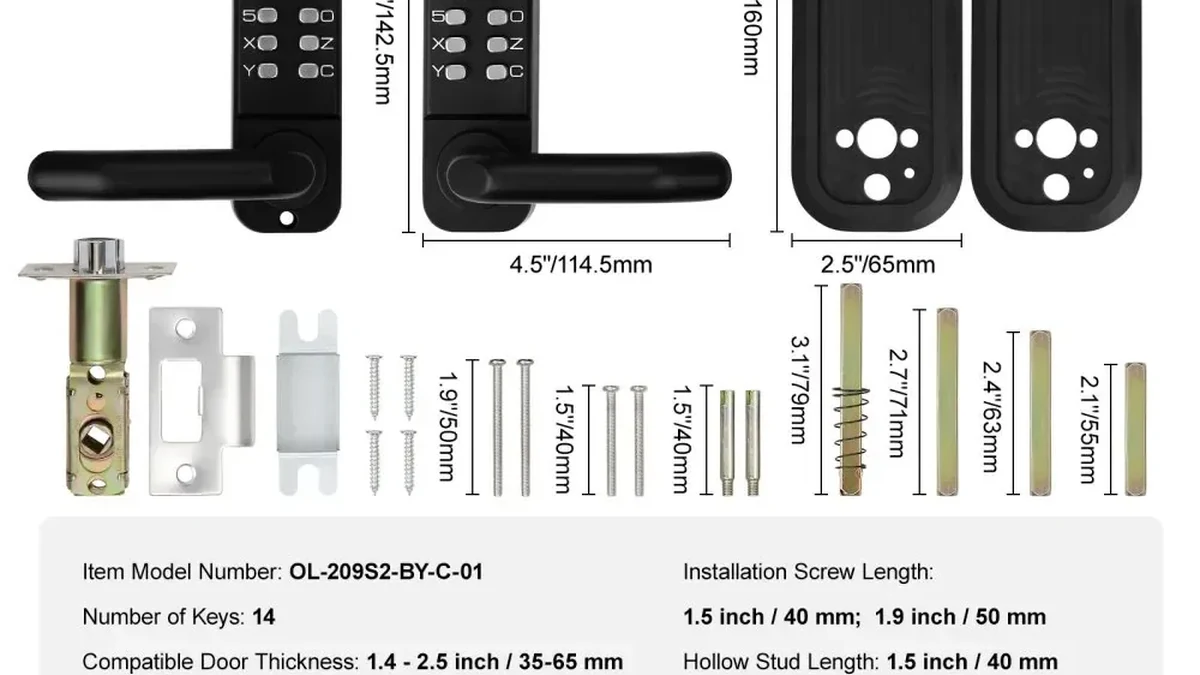
Start with the door material and thickness, because the lock must mount cleanly on it. Then look at the body material: zinc alloy with a weatherproof seal for outdoor gates, stainless steel where salt or moisture is present. Decide between a handle-integrated design and a surface-mounted latch by how the door is built and whether you want one-hand entry.
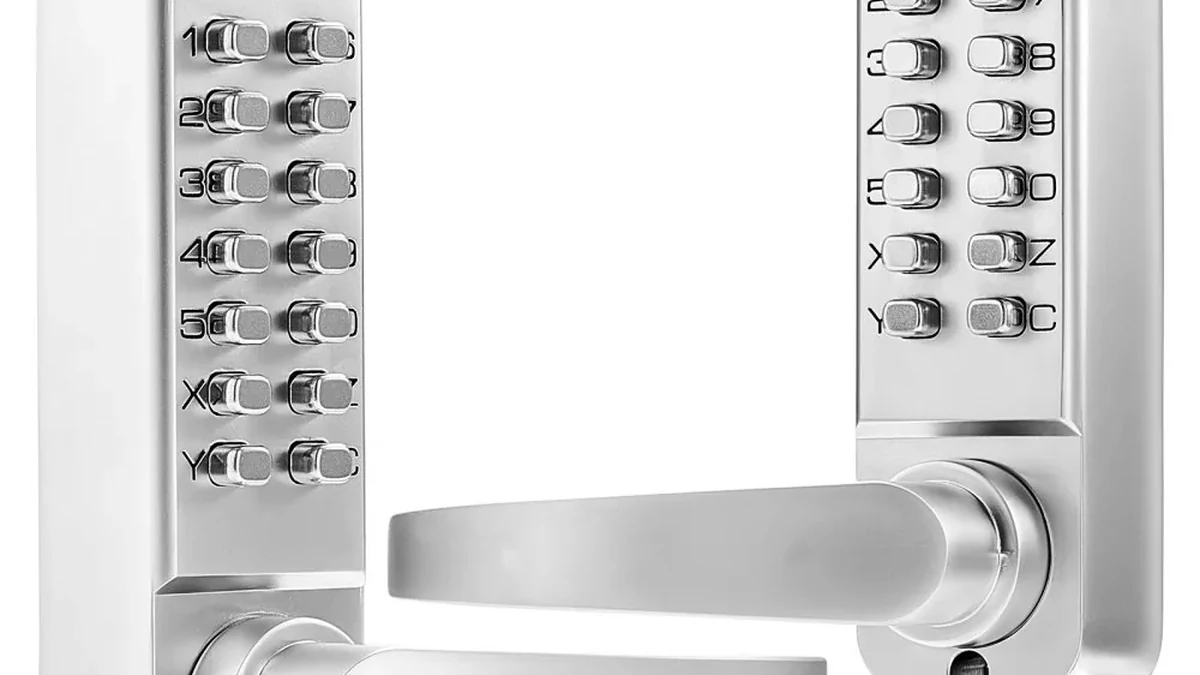
Finally, count the entry methods you need. A 14-key mechanical pad allows long codes and multiple users, and models with both keypad and key give you a fallback when someone forgets the code. The double-sided keypad door lock works for gates opened from both sides, while the silver handle version matches stainless exterior hardware.
Common mistakes to avoid
- Buying indoor hardware for outdoor doors: the finish fails, then the mechanism fails.
- Ignoring door thickness: a lock that does not mount flush will rattle and loosen.
- Choosing a battery lock for a remote gate: dead batteries mean a locked-out gate, usually at night.
- Judging by brand instead of body material: the metal and coating decide the lifespan, not the name on the box.
Recommended building materials products
- VEVOR mechanical keypad door lock, silver handle – stainless exterior look for gates and garages
- VEVOR double-sided keypad door lock – entry from both sides of a gate
- VEVOR keypad lock with knob – compact surface-mounted latch for sheds
- VEVOR keypad lock, oil-rubbed bronze – matches warm exterior hardware
See the full building materials collection for locks, latches, and hardware.
Mechanical keypads work with no batteries and fail less, which suits exterior doors. Electronic locks add convenience features but depend on power, so check battery life and backup access before buying.
Choose a mechanical or battery-backed keypad rated for outdoor use with weather-sealed keys. Verify it fits your door prep (backset and bore) before ordering, and keep a physical key backup.
Match materials to the environment: rust-resistant hardware for humid or coastal areas, weather-sealed locks for wet climates, and UV-stable finishes for sunny regions. The cheapest material fails fastest where it does not fit.
Stainless and coated metals with sealed mechanisms last longest outdoors. Look for corrosion-resistant finishes and fewer moving parts, and prioritize the pieces that face the weather directly.
Related guides
If the lock protects a workshop or storage area, pair it with the garage shelving buying guide so the space inside is organized too. For ventilation of a shed or shop, the HVAC & ductwork buying guide covers exhaust fan sizing.
Frequently Asked Questions
How do I choose door hardware for outdoors?
Match the material to the environment. Zinc alloy bodies with waterproof seals and stainless steel survive weather; indoor-rated painted hardware rusts within a season outdoors.
Mechanical or electronic keypad lock for a gate?
Mechanical for outdoor gates, sheds, and rentals: no batteries to die and no hub required. Electronic suits home doors where you want codes and audit trails.
What should I check before buying a keypad door lock?
Door thickness and material for a flush mount, the body material for the environment, and the entry methods you need - keypad plus key gives a fallback.
How long do mechanical keypad locks last outdoors?
Years, when the body is zinc alloy or stainless with weather seals. The coating decides the lifespan, so check the spec sheet, not just the photo.
Related Articles

Browse Related Products
Products covered by these guides.
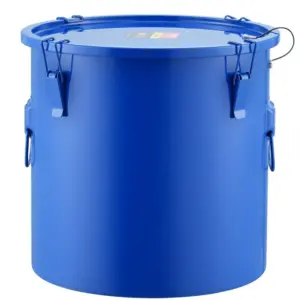
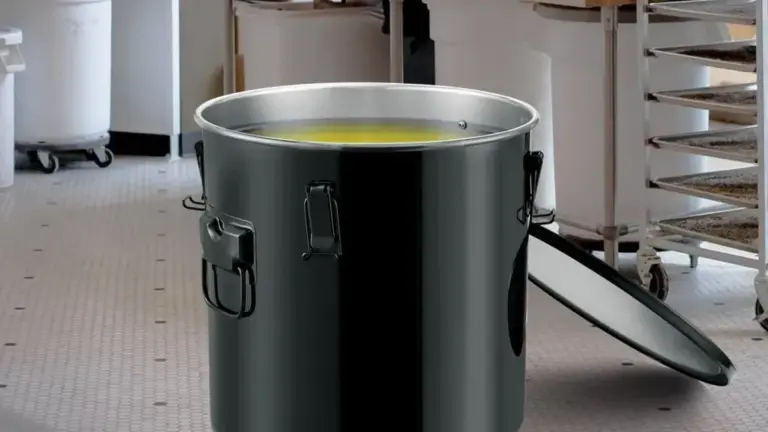
VEVOR Fryer Grease Bucket, 8 Gal Oil Disposal Caddy Carbon Steel Fryer Oil Bucket with Rust-Proof Coating, Oil Transport Container with Lid
$83.90Shop now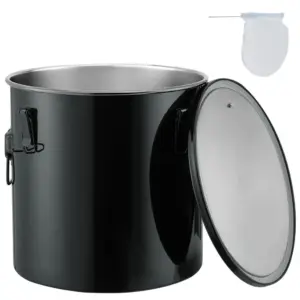
VEVOR Fryer Grease Bucket, 8 Gal Oil Disposal Caddy Stainless Steel Fryer Oil Bucket Rust-Proof Coating, Oil Transport Container with Lid, Lock Clips
$100.99Shop now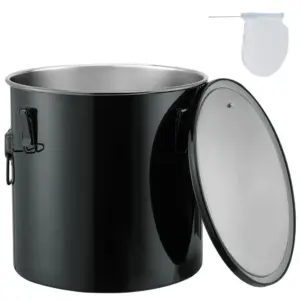
VEVOR Fryer Grease Bucket, 10 Gal Oil Disposal Caddy Stainless Steel Fryer Oil Bucket Rust-Proof Coating, Oil Transport Container with Lid
$110.90Shop now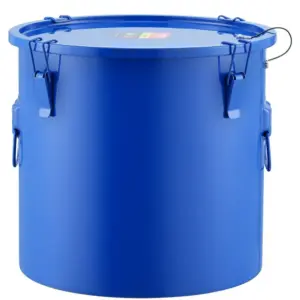
VEVOR Fryer Grease Bucket, 10 Gal Oil Disposal Caddy Carbon Steel Fryer Oil Bucket with Rust-Proof Coating, Oil Transport Container with Lid
Original price was: $90.90.$75.51Current price is: $75.51.Shop nowGet new guides first
New buying guides, size guides and restock alerts — one email a week.