
Vacuum Sealer Buying Guide: Chamber vs Suction Sealer
The short answer
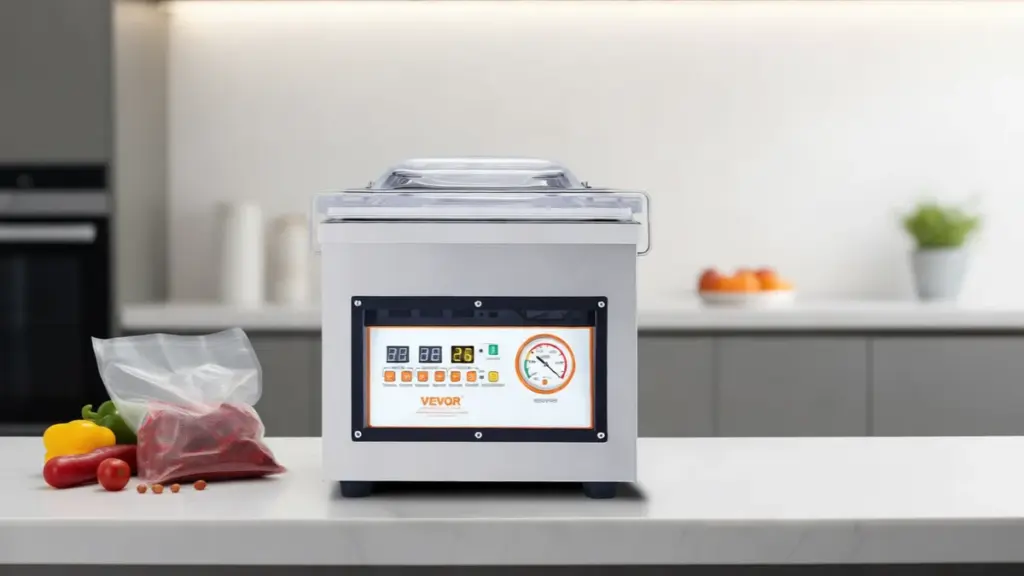
Buy the sealer that matches your bag size and how often you seal. A chamber vacuum sealer handles wet foods, marinades, and liquids that edge-sealers spill, and the sealing length should cover the widest bag you use. For a home kitchen, a compact chamber machine around 12-16 inches of sealing length is the practical sweet spot.
Chamber sealer vs suction sealer
Edge sealers pull air from the bag mouth and struggle with liquids; chamber sealers put the whole bag inside and remove air evenly, so wet and juicy foods seal cleanly. If you portion meat, marinate, or vacuum bags with liquid, a chamber sealer is worth the extra cost. If you only seal dry goods, a suction sealer is cheaper and smaller.
Match the sealing length to your bags
Sealing length decides the widest bag you can close in one pass. A 10-12 inch seal handles standard food bags, while 15 inches or more covers wide pouches and commercial rolls. Measure the bags you actually use before choosing, and leave a little margin so the seal never sits at the edge.
Wattage and pump speed: what actually matters
Higher wattage heats the seal bar faster and cuts down cycle time, and a faster pump reaches vacuum sooner. For occasional home use, a 300-400W machine is enough; for frequent or commercial use, step up to 900W or more and look for a stronger pump and a longer duty cycle.
Common mistakes to avoid
- Buying by wattage alone: match the chamber size and sealing length to your bags first.
- Overfilling the chamber: liquid rises toward the seal line and ruins the seal.
- Skipping oil maintenance: chamber pumps need periodic oil changes to keep their vacuum strength.
- Sealing wet edges: keep the seal area dry or liquids will break the weld.
Recommended vacuum sealers
These are the chamber sealers we carry, matched to how much you seal:
- VEVOR 320W chamber sealer (12.6 in) – compact kitchen and small-batch use
- VEVOR 900W chamber sealer (15.7 in) – wider bags and faster cycles
- VEVOR 1200W chamber sealer (23.6 in) – commercial bags and high volume
Browse the full packaging equipment collection to compare models.
Related guides
For the kitchen around the sealer, our commercial kitchen buying guide covers fryers and prep equipment that pair with bulk food storage.
An edge sealer pulls air from the bag mouth and struggles with liquids, while a chamber sealer encloses the whole bag and removes air evenly. If you seal wet foods, marinades, or liquids, choose a chamber sealer.
Sealing length decides the widest bag you can close in one pass. A 10-12 inch seal handles standard food bags, while 15 inches or more covers wide pouches. Measure the bags you use and add a little margin.
For occasional home use, a 300-400W machine is enough. Step up to 900W or more if you seal frequently or in commercial volume, because higher wattage heats the seal bar faster and cuts cycle time.
Yes. Because the whole bag sits inside the chamber, liquid stays below the seal line while air is removed. Keep the seal area dry and avoid overfilling, and wet or marinated foods seal cleanly.
Related Articles
Browse Related Products
Products covered by these guides.
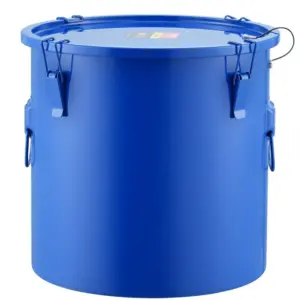
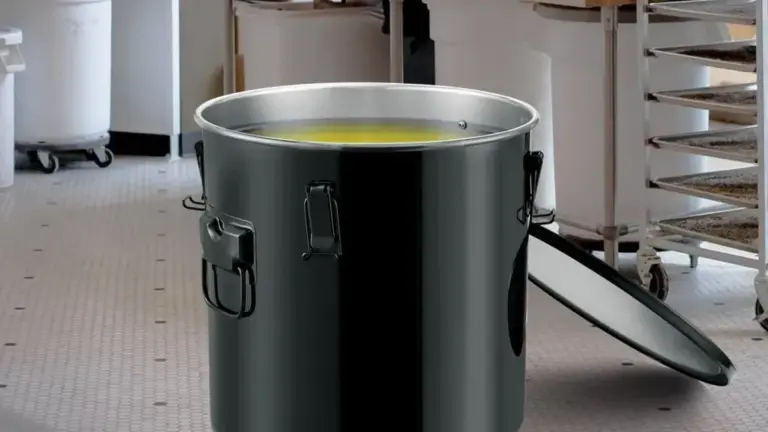
VEVOR Fryer Grease Bucket, 8 Gal Oil Disposal Caddy Carbon Steel Fryer Oil Bucket with Rust-Proof Coating, Oil Transport Container with Lid
$83.90Shop now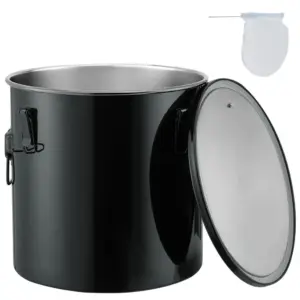
VEVOR Fryer Grease Bucket, 8 Gal Oil Disposal Caddy Stainless Steel Fryer Oil Bucket Rust-Proof Coating, Oil Transport Container with Lid, Lock Clips
$100.99Shop now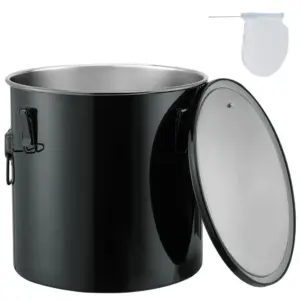
VEVOR Fryer Grease Bucket, 10 Gal Oil Disposal Caddy Stainless Steel Fryer Oil Bucket Rust-Proof Coating, Oil Transport Container with Lid
$110.90Shop now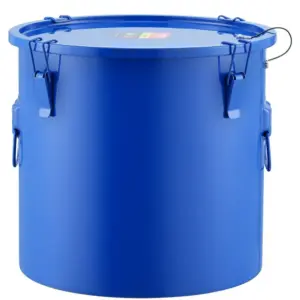
VEVOR Fryer Grease Bucket, 10 Gal Oil Disposal Caddy Carbon Steel Fryer Oil Bucket with Rust-Proof Coating, Oil Transport Container with Lid
$90.90Shop nowGet new guides first
New buying guides, size guides and restock alerts — one email a week.