
Pet Supplies Buying Guide: Match Filters to Your Aquarium
The short answer
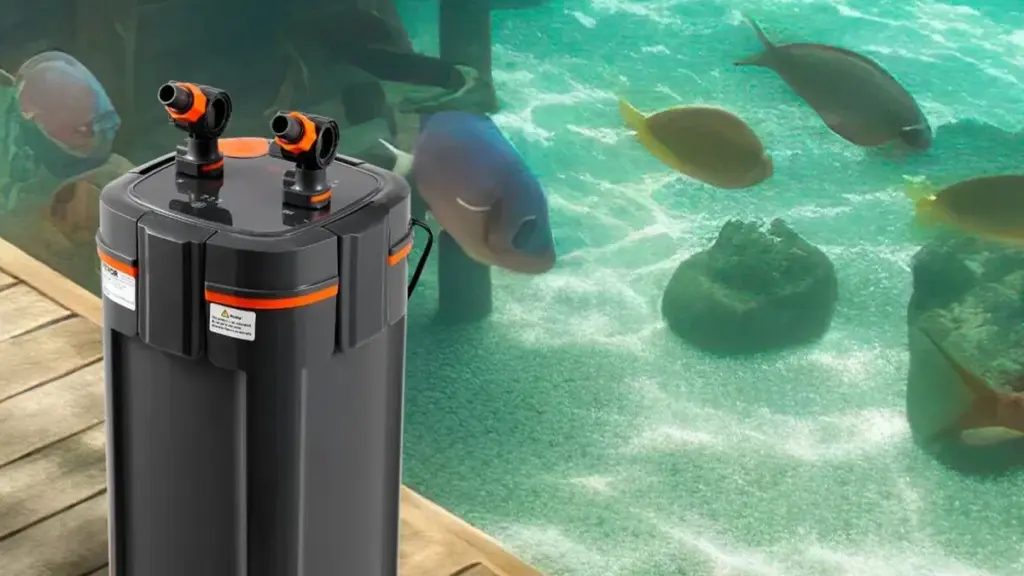
Choose pet supplies by the animal, the enclosure size, and the maintenance you can keep up. For fish keepers, the filter is the most important purchase: it must turn over the whole tank volume several times per hour. Everything else, from tanks to decor, should support clean water and stable water chemistry.
Aquarium filters: match GPH to tank volume
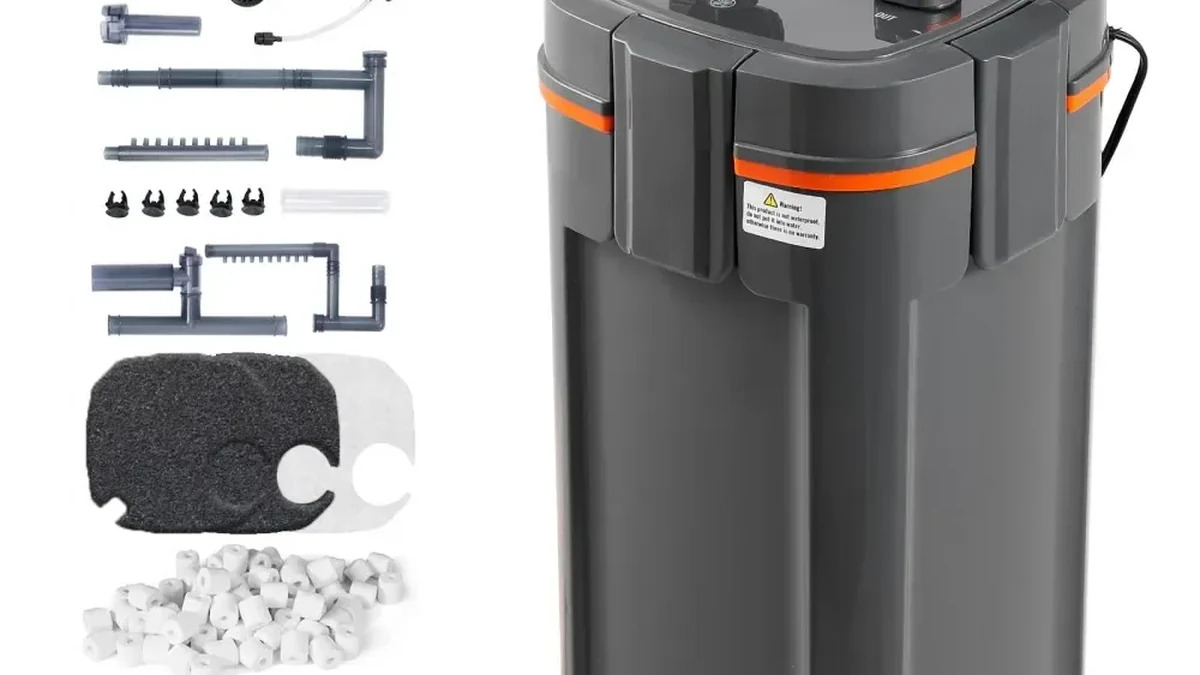
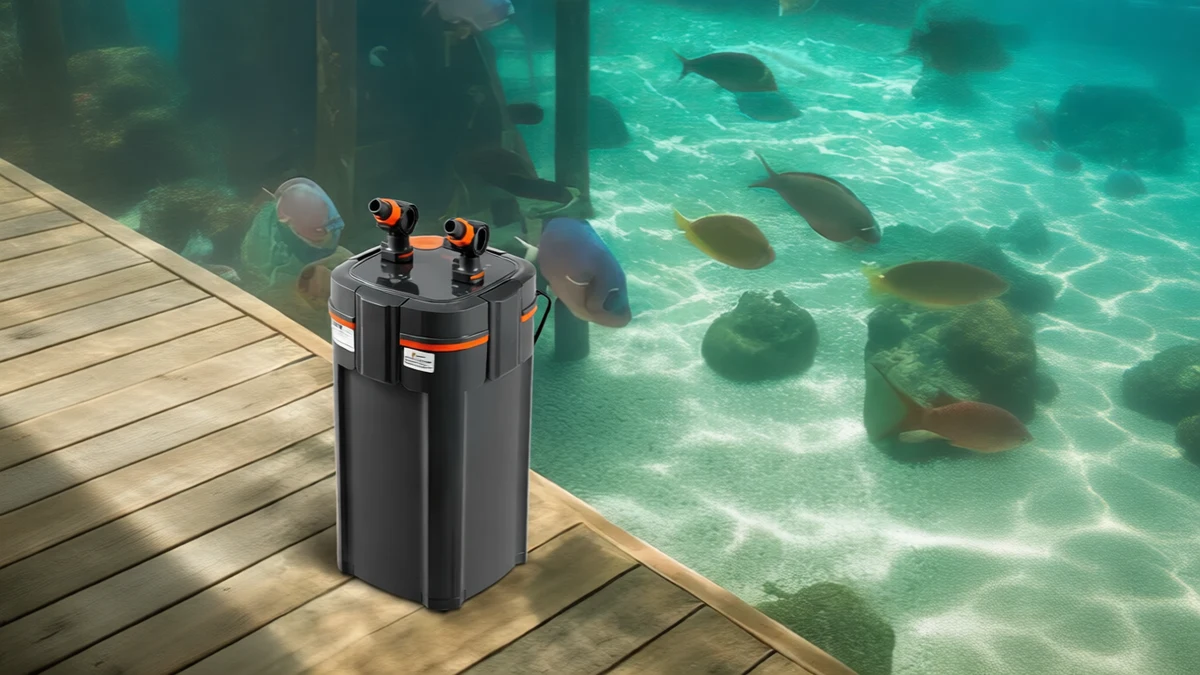
Aquarium filtration is rated in gallons per hour, and the rule is to move at least four times the tank volume per hour for freshwater. A 20-gallon tank needs roughly 80 GPH; a 75-gallon tank needs about 300 GPH. Canister filters with multiple stages handle mechanical, chemical, and biological filtration in one unit, which keeps water clear and fish healthy.
| Tank size | Recommended GPH | Filter stages |
|---|---|---|
| Up to 75 gallons | 264 GPH | 3-stage |
| Up to 100 gallons | 317 GPH | 4-stage |
| Up to 200-235 gallons | 528-660 GPH | 5-stage |
The 660 GPH 5-stage canister filter covers large tanks up to 235 gallons, and the 264 GPH 3-stage version suits medium tanks to 75 gallons.
Starter tanks: size and self-cleaning features
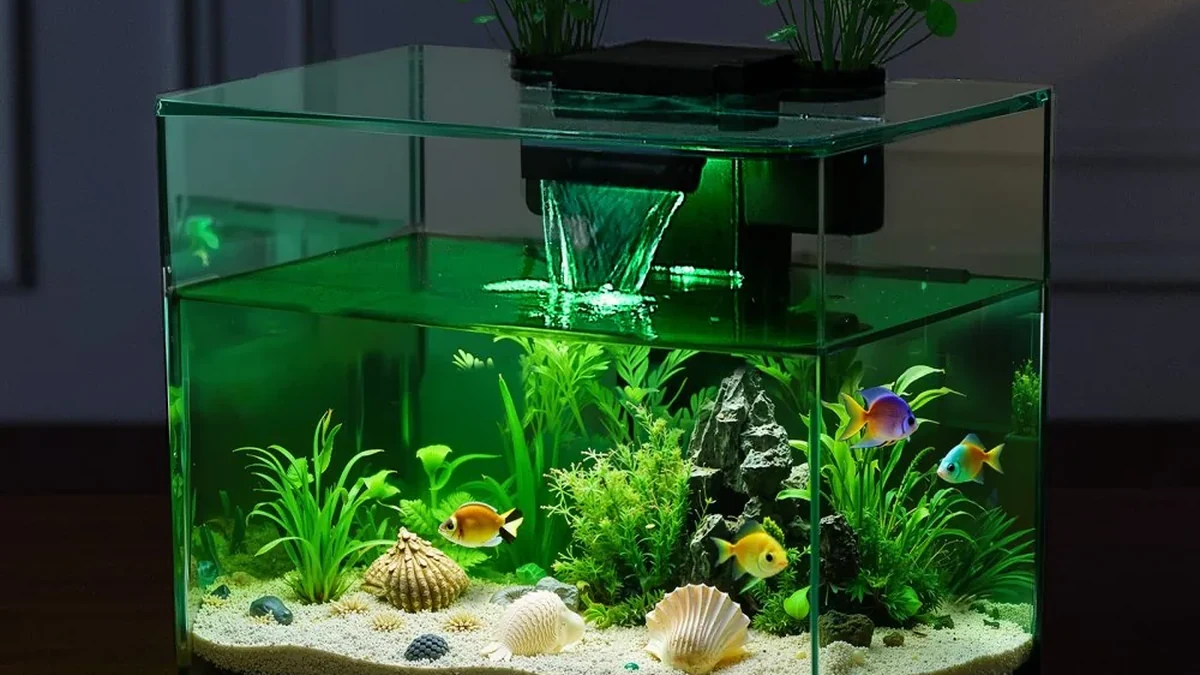
For beginners, the tank itself matters less than the system around it. Look for a tank with integrated filtration and lighting that you can set and forget, and size it bigger than you think you need: larger water volumes are more stable and forgiving of mistakes. A 3.5-gallon arch tank with adjustable color lighting and a self-cleaning system works for a desktop betta, but a larger tank is a safer first aquarium.
Check that the tank material is ultra-clear and safe for freshwater and saltwater. The 3.5-gallon arch starter tank is a self-contained desk setup with lighting and a cleaning cycle.
Common mistakes to avoid
- Undersizing the filter: a filter rated below four tank turnovers per hour cannot keep water stable.
- Adding fish before cycling: a new tank needs weeks to build beneficial bacteria, regardless of filter brand.
- Buying a tiny tank to save space: small volumes swing in temperature and chemistry and are harder to maintain.
- Ignoring stage count: mechanical-only filters leave ammonia and odors; multi-stage filters handle all three jobs.
Recommended pet supplies
- VEVOR 660 GPH 5-stage aquarium filter – tanks up to 235 gallons
- VEVOR 264 GPH 3-stage aquarium filter – tanks up to 75 gallons
- VEVOR 528 GPH 5-stage aquarium filter – tanks up to 200 gallons
- VEVOR 3.5-gallon arch starter tank – desktop setup with lighting
See the full pet supplies collection.
Match the filter flow rate (GPH) to your tank volume: a good rule is 4-6 times the tank volume per hour for freshwater. A 20-gallon tank needs a filter rated around 80-120 GPH.
Divide your tank volume by the turnover you want: 4x for lightly stocked tanks, 6x or more for heavier stocking. Check the filter rating at the height you run it, because flow drops with head pressure.
Bigger is easier: a 20-gallon or larger tank keeps water parameters stable and gives fish room to grow. Small tanks swing temperature and chemistry fast, which is why they fail for beginners.
They simplify maintenance and are a good start for kids or busy owners, but they still need water changes and filter cleaning. Treat the self-cleaning feature as a helper, not a replacement for basic care.
Related guides
Keeping the tank glass and decor clean? The cleaning equipment buying guide covers cleaners that do the work. For outdoor gear for pets and people, the outdoor & camping buying guide is a good companion.
Frequently Asked Questions
What aquarium filter flow rate do I need?
Match to tank volume: 264 GPH suits tanks up to about 50 gal, 528 GPH up to about 100 gal, 660 GPH for larger tanks and heavy stocking.
How often should I replace aquarium filter media?
Rinse media monthly and replace per the manufacturer cycle; never replace all media at once or you crash the cycle.
Do fish tank decorations hurt water quality?
Only if they trap waste - arches and hides should be smooth and easy to siphon around.
Can one filter handle a heavily stocked tank?
Oversize by a step: for heavy stocking choose the next flow rate up, or add a second filter for redundancy.
Related Articles
Browse Related Products
Products covered by these guides.
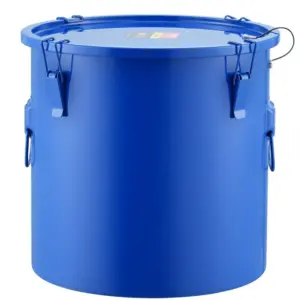
VEVOR Fryer Grease Bucket, 8 Gal Oil Disposal Caddy Carbon Steel Fryer Oil Bucket with Rust-Proof Coating, Oil Transport Container with Lid
$83.90Shop now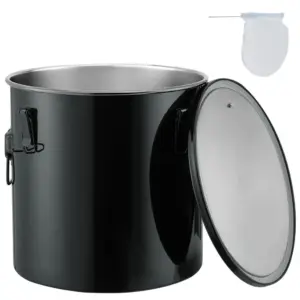
VEVOR Fryer Grease Bucket, 8 Gal Oil Disposal Caddy Stainless Steel Fryer Oil Bucket Rust-Proof Coating, Oil Transport Container with Lid, Lock Clips
$100.99Shop now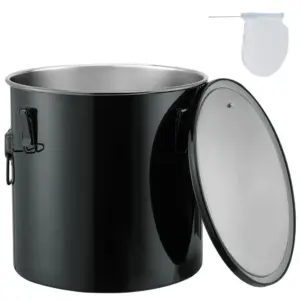
VEVOR Fryer Grease Bucket, 10 Gal Oil Disposal Caddy Stainless Steel Fryer Oil Bucket Rust-Proof Coating, Oil Transport Container with Lid
$110.90Shop now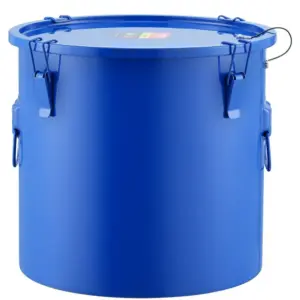
VEVOR Fryer Grease Bucket, 10 Gal Oil Disposal Caddy Carbon Steel Fryer Oil Bucket with Rust-Proof Coating, Oil Transport Container with Lid
Original price was: $90.90.$75.51Current price is: $75.51.Shop nowGet new guides first
New buying guides, size guides and restock alerts — one email a week.