
Worktable Buying Guide: Stainless or Coated Steel?
The short answer
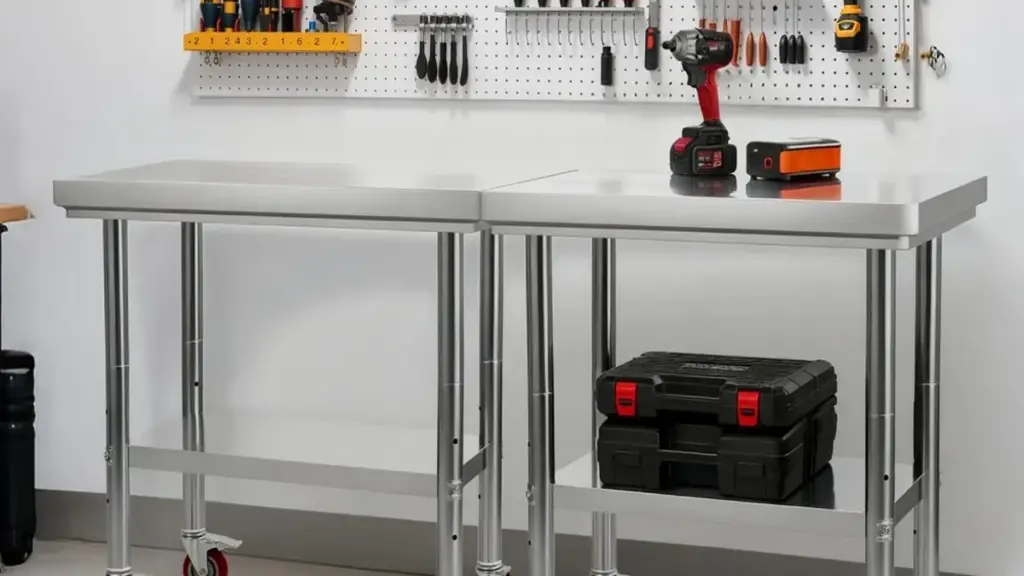
Choose furniture and workstations by the load they carry and the environment they live in, not by looks alone. A stainless prep table built for a commercial kitchen also survives a garage; a desk-leg set rated for heavy loads keeps your DIY desk steady for years. Match the material to the moisture, the rating to the load, and the size to the room.
Material first: stainless vs coated steel
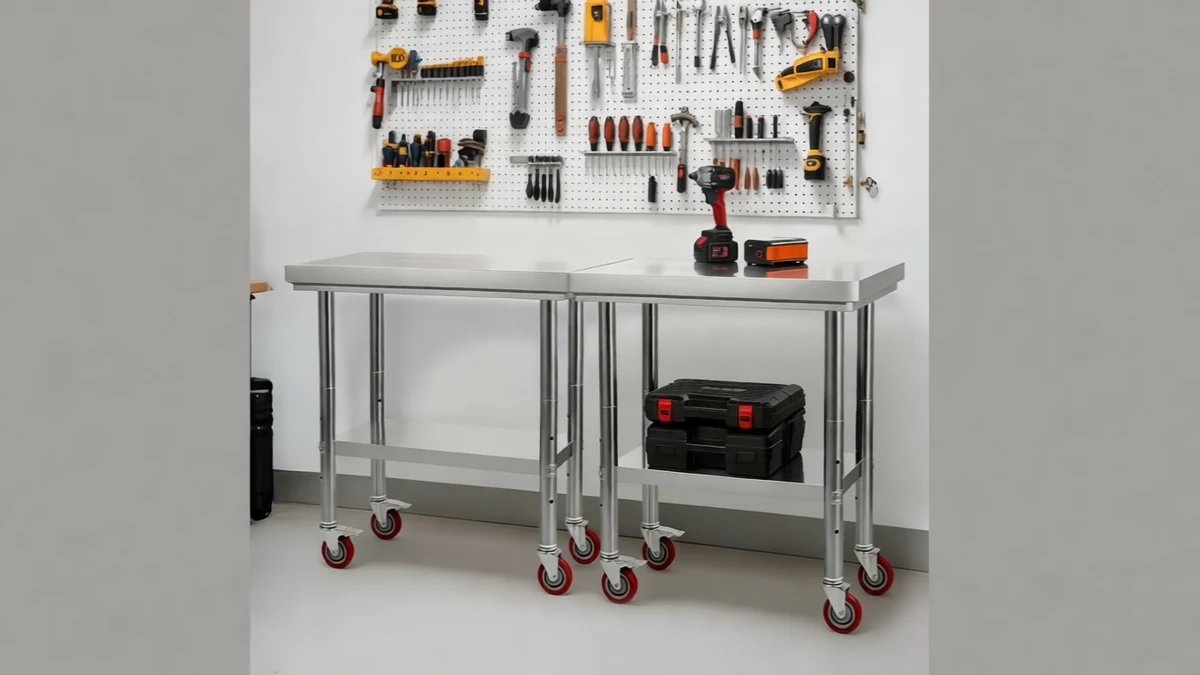
The environment decides the material. Stainless steel resists moisture, grease, and cleaning chemicals, which is why it is the standard for food prep, restaurants, and humid garages. Coated or painted steel suits dry indoor spaces where corrosion is less of a risk. If the table will see water or food daily, stainless pays for itself.
A 24 x 30 inch stainless steel prep table with wheels covers a compact kitchen or garage bench, while the 24 x 36 inch version adds depth for prep and storage.
Tables: size to the room and the work
| Use | Recommended size | Key feature |
|---|---|---|
| Compact kitchen or cart | 24 x 18 inch | Wheels, undershelf |
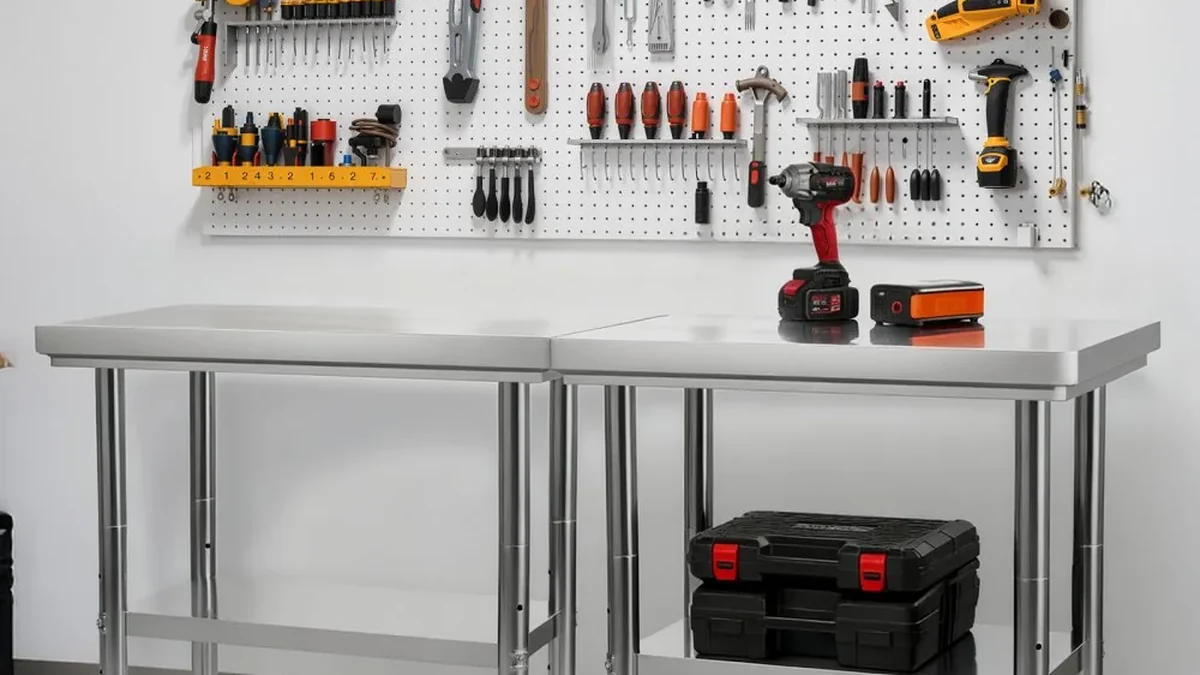
| Standard prep station | 24 x 30 inch | Adjustable undershelf |
| Multi-station work | 24 x 36 inch | Larger work surface |
Wheels make a table portable but add movement during heavy work; look for lockable casters if the table must stay put. An adjustable undershelf keeps containers off the floor and adds storage without taking floor space.
Desk legs: load rating and adjustability

For DIY desks and workstations, the load rating of the legs is the number that matters. A four-leg set rated at 1,200 lb supports a heavy desk with monitors, printers, and drawers without sag. Adjustable feet level the desk on uneven floors, and height-adjustable legs let one desk serve standing and sitting work.
Choose leg height by the desk height you need. The 30-inch adjustable desk legs suit standard standing-height work surfaces, while the 16-inch legs work for lower benches and craft tables.
Common mistakes to avoid
- Buying indoor finishes for humid spaces: painted steel rusts in kitchens and garages.
- Ignoring the load rating: desk legs rated for a laptop fail under a full office setup.
- Choosing fixed height when you will stand: adjustable legs cost little more and save your back.
- Skipping lockable wheels: a prep table that rolls mid-task is dangerous with hot loads.
Recommended furniture and workstations
- VEVOR 24 x 30 inch stainless steel prep table – kitchen, restaurant, or garage
- VEVOR 24 x 36 inch stainless steel prep table – larger work surface
- VEVOR 30-inch adjustable desk legs – 1,200 lb capacity, standing-height
- VEVOR 16-inch adjustable desk legs – benches and craft tables
See the full furniture collection for tables, legs, and workstations.
Stainless resists rust, stains, and heat, which suits food and wet work. Coated steel is cheaper and fine for dry workshops. Match the material to what touches the surface daily.
Measure the room and the work itself: the table needs clearance for movement on all sides and room for the largest job. Size to the space you actually have, not the biggest catalog table.
Check the load rating per leg pair, not just the top: heavy equipment and stacks of work concentrate load on the legs. Buy legs rated well above your heaviest expected load.
Yes for shared or multi-use spaces: adjustability lets different users and different tasks share one table. For a single fixed user, a sturdy fixed height saves money.
Related guides
Outfitting a kitchen? The commercial kitchen buying guide covers grease and prep gear. To organize what sits on the furniture, the storage & organization buying guide is the next stop.
Frequently Asked Questions
What size stainless steel prep table do I need?
Match the surface to the work: 24 x 30 and 24 x 36 inch tops suit prep stations, and 24 x 18 inch tops suit compact kitchens and garages.
Should I buy a worktable with wheels?
Yes if the layout changes - wheels let a prep table move for cleaning and reconfiguring; lock them during use.
What capacity do adjustable desk legs need?
Match to the desktop load: 1,200 lb rated steel legs carry heavy DIY workbenches and multi-monitor desks with margin.
Steel or wood table for a garage?
Stainless steel resists moisture, heat, and cleaning chemicals, so it suits food prep and garages; wood suits dry office furniture.
Related Articles


Browse Related Products
Products covered by these guides.
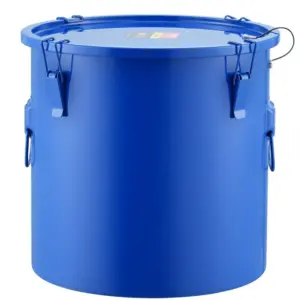
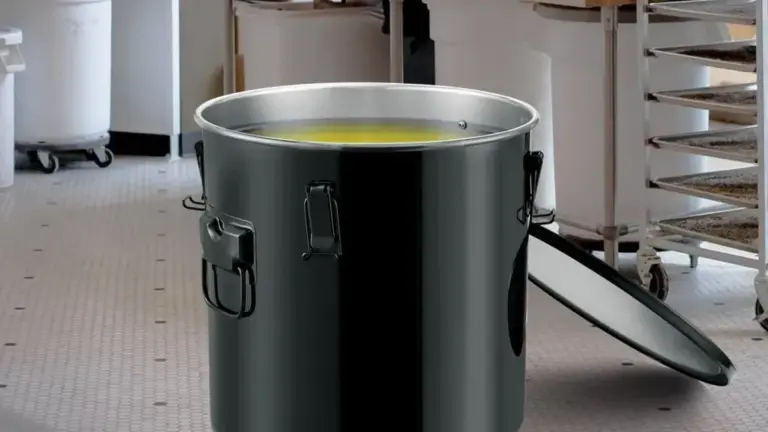
VEVOR Fryer Grease Bucket, 8 Gal Oil Disposal Caddy Carbon Steel Fryer Oil Bucket with Rust-Proof Coating, Oil Transport Container with Lid
$83.90Shop now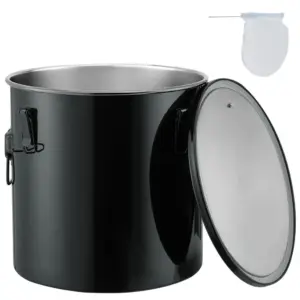
VEVOR Fryer Grease Bucket, 8 Gal Oil Disposal Caddy Stainless Steel Fryer Oil Bucket Rust-Proof Coating, Oil Transport Container with Lid, Lock Clips
$100.99Shop now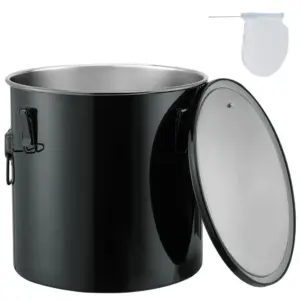
VEVOR Fryer Grease Bucket, 10 Gal Oil Disposal Caddy Stainless Steel Fryer Oil Bucket Rust-Proof Coating, Oil Transport Container with Lid
$110.90Shop now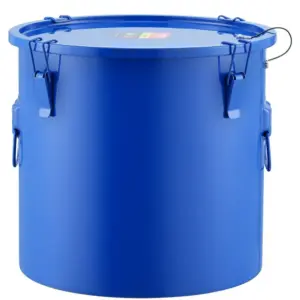
VEVOR Fryer Grease Bucket, 10 Gal Oil Disposal Caddy Carbon Steel Fryer Oil Bucket with Rust-Proof Coating, Oil Transport Container with Lid
Original price was: $90.90.$75.51Current price is: $75.51.Shop nowGet new guides first
New buying guides, size guides and restock alerts — one email a week.