
Automotive Tools Buying Guide: Build a Kit You’ll Actually Use
The short answer
If you work on your own car, start with a threading set and a lifting solution, then add specialty tools only when a job actually needs them. The mistake most home mechanics make is buying a 200-piece toolbox kit first and a jack last. Buy in the opposite order: safety-critical gear first, volume tools second.
Start with the jobs you do, not the catalog
Automotive tools only pay for themselves if they match the work. A weekend oil-and-brake DIYer needs a completely different kit than someone restoring a truck or maintaining a small fleet. Before you buy anything, list the three jobs you do most often: fluid changes, brake work, suspension, or electrical troubleshooting. Every tool below should map to at least one job on that list.
If you are just starting out, two categories cover the majority of garage work: threading and fastening tools (tap and die sets, sockets, wrenches) and lifting equipment (jacks and stands). Everything else is job-specific.
The two categories that matter first
| Tool category | What it does | When you need it |
|---|---|---|
| Tap and die set | Cuts new threads or cleans damaged ones on bolts, nuts, and holes | Any repair where a bolt is stripped, corroded, or needs re-threading |
| Bottle jack or floor jack | Lifts the vehicle safely for wheel, brake, and suspension work | Every job that puts you under or beside the car |
| Torque wrenches | Applies exact fastener tension to prevent over-tightening | Wheels, brakes, and engine components with torque specs |
| Air impact tools | Removes stubborn bolts fast when powered by a compressor | Rusty suspension and drivetrain work |
How to choose a tap and die set
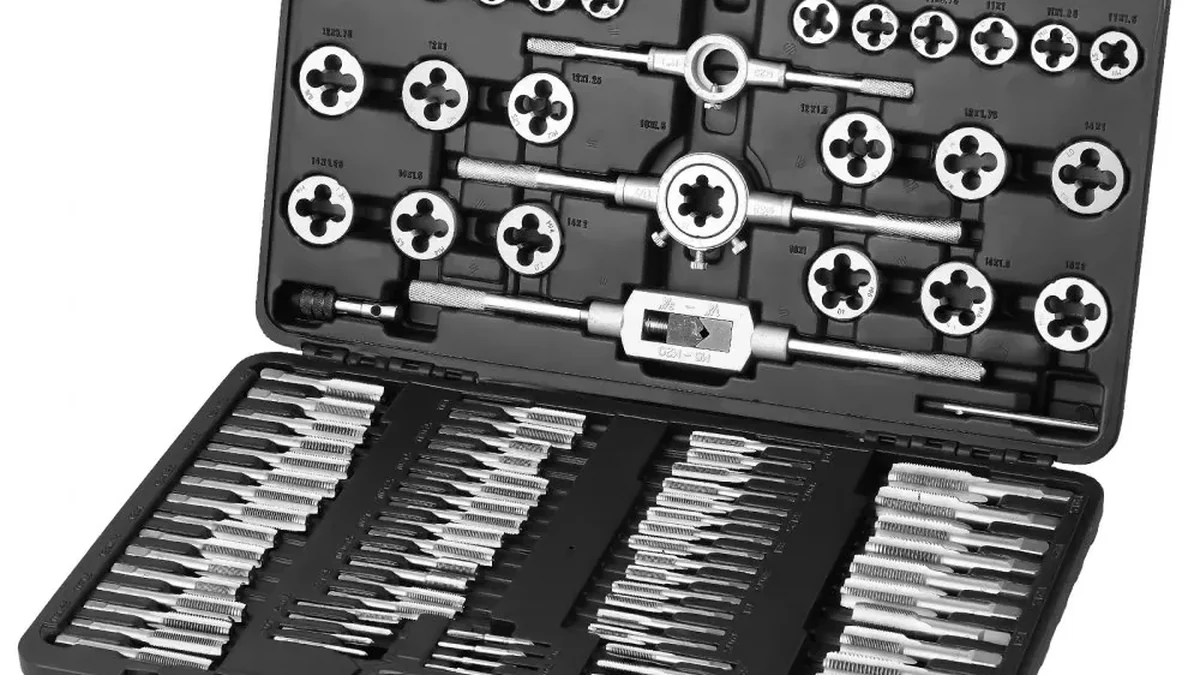
Threading sets are rated by the range of sizes they cover and the material they are made from. For car work you want both metric (M3-M12 or wider) and SAE sizes, because modern cars mix both standards. Bearing steel taps and dies cut cleaner and last far longer than cheaper carbon steel versions, especially on hardened bolts.
Look at the size coverage first. A 40-piece metric set covers the most common engine and chassis threads, while a 110-116 piece set adds SAE sizes and less common threads for full coverage. For most home garages, a set that includes M3 through M12 plus the standard SAE sizes is the practical sweet spot, for example the VEVOR 116-piece tap and die set or the compact 40-piece metric set if you mostly work on modern import cars.
How to choose a jack
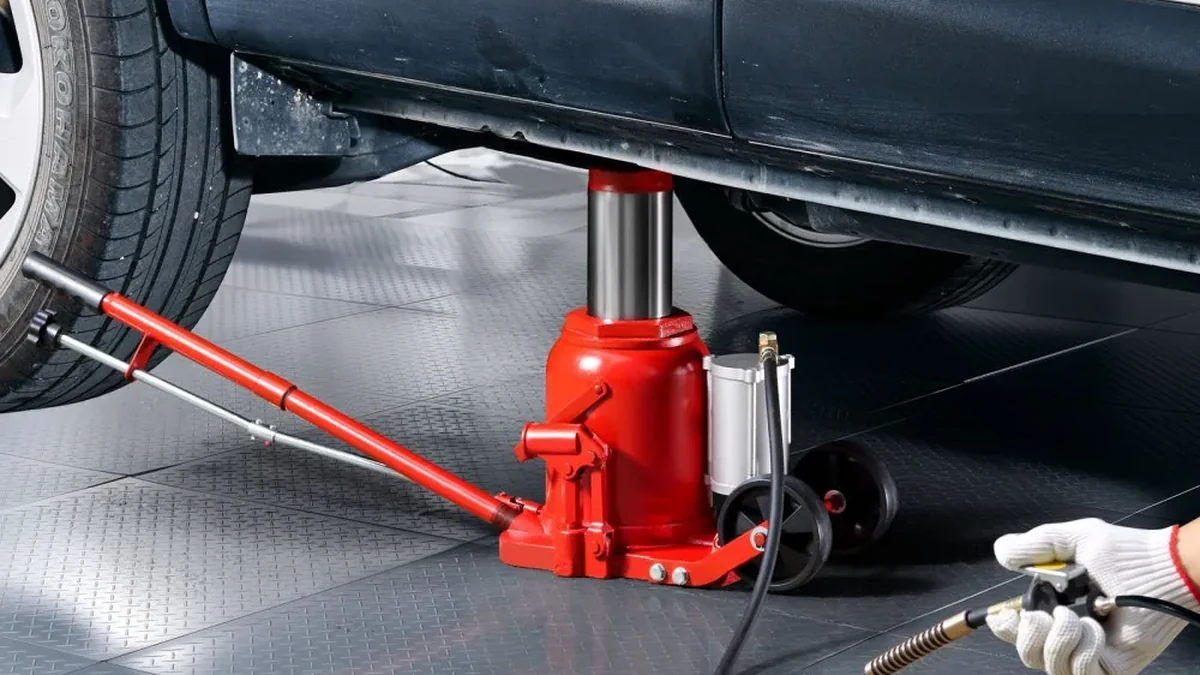
Jack capacity is not about the weight of the car; it is about the weight on the end you are lifting. A car that weighs 4,000 lb puts roughly 2,000 lb on its front wheels, so a 3-ton (6,600 lb) jack leaves a healthy margin. Never use a jack rated close to the load. Air hydraulic bottle jacks let you lift with a quick air connection instead of pumping by hand, which matters when you lift a truck or RV repeatedly.
For passenger cars a 10-16 inch lifting range covers standard ride heights. For trucks, SUVs, and trailers, choose a model with a taller range and a higher rating, like the 32-ton air hydraulic bottle jack for heavy fleet work. Pair any jack with rated jack stands before you get under the vehicle.
Common mistakes to avoid
- Buying volume before capacity: a giant kit with cheap tools beats a small kit of quality tools for exactly one job, and then collects dust.
- Ignoring metric vs SAE: pick a set that covers both, or you will re-buy within a year.
- Undersizing the jack: a 2-ton jack under a heavy SUV fails exactly when you need it most.
- Skipping safety gear: jack stands and wheel chocks are not optional extras; they are part of the kit.
Recommended automotive tools
These are the tools we carry that match the buying logic above, starting with the items that cover the most jobs:
- VEVOR 116-piece tap and die set – full metric + SAE coverage for engine and chassis threads
- VEVOR 110-piece tap and die set – metric-first coverage M2 to M18
- VEVOR 50-ton air hydraulic bottle jack – heavy truck and trailer lifting
- VEVOR 32-ton air hydraulic bottle jack – SUV, pickup, and RV work
Browse the full automotive tools collection to compare more options.
For car work, buy a set that covers both metric and SAE because modern cars mix the two. A 40-piece metric set covers common engine threads, while 110-116 piece sets add SAE and less common sizes.
Size by the weight on the end you lift: a 4,000 lb car puts roughly 2,000 lb on the front, so a 3-ton (6,600 lb) jack leaves a safe margin. Never use a jack rated close to the load.
Buy safety-critical gear first: a properly rated jack and jack stands, then threading and fastening tools. Volume tool kits last, but a small quality kit covers most weekend jobs.
Match the stands to the weight on the axle you support, with margin: 3-ton stands cover most cars and SUVs. Always use stands with the jack, never support a vehicle on a jack alone.
Related guides
If you tow a trailer, read our electric trailer jack sizing guide before you size a jack for a camper. For moving heavy gear around the workshop, the material handling buying guide covers dollies, binders, and lifting aids.
Frequently Asked Questions
What automotive tools should a home mechanic buy first?
A tap and die set plus a properly rated jack and stands. They cover the two most common jobs - re-threading damaged bolts and lifting the car safely - before you add job-specific tools.
What size tap and die set do I need for car repair?
One that covers both metric (M3-M12 or wider) and SAE sizes, in bearing steel. A 110-116 piece set covers most engine and chassis threads; a 40-piece metric set works for modern imports.
How do I choose the right bottle jack capacity?
Size by the weight on the end you lift, not the whole car. A 4,000 lb car puts about 2,000 lb on its front wheels, so a 3-ton jack leaves good margin. Air hydraulic jacks speed up repeated lifting.
What is the most common automotive tool mistake?
Buying a huge kit before the safety-critical gear. Jack stands and wheel chocks first, then quality tools that match your actual jobs - that beats a big cheap set that collects dust.
Related Articles


Browse Related Products
Products covered by these guides.
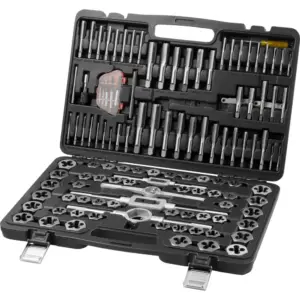
VEVOR Tap and Die Set, 116-Piece Include Metric and SAE Size, Bearing Steel Taps and Dies
Original price was: $88.90.$80.01Current price is: $80.01.Shop now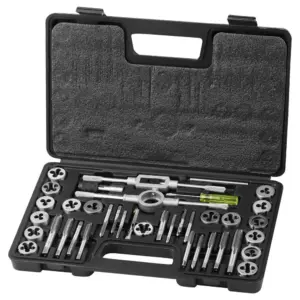
VEVOR Tap and Die Set, 40-Piece Include Metric Size M3 to M12, Bearing Steel Taps and Dies
$29.90Shop now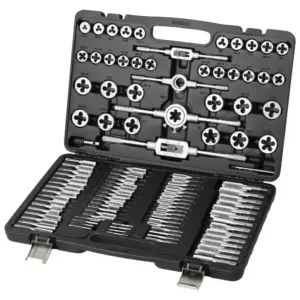
VEVOR Tap and Die Set, 110-Piece Include Metric Size M2 to M18, Bearing Steel Taps and Dies
$79.90Shop now
VEVOR Welding Screen with Frame, 6' x 6' Welding Curtain Screen, Flame-Resistant Vinyl Welding Protection Screen on 4 Swivel Wheel (2 Lockable)
$49.90Shop nowGet new guides first
New buying guides, size guides and restock alerts — one email a week.