
Heat Press Buying Guide: Match the Press to What You Print
The short answer
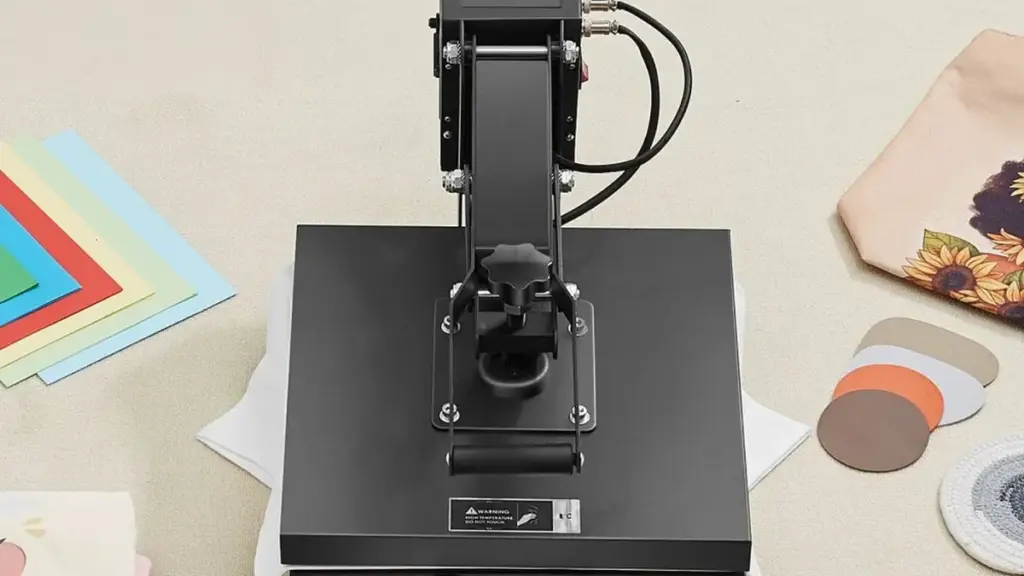
Choose a heat press by the products you decorate, because the platen size and shape decide what you can press. Hat presses fit curved surfaces, flat presses handle shirts and tote bags, and multi-function machines with interchangeable platens cover both. Buy the format you will use weekly, not the machine with the most attachments.
Match the press to the product
Heat presses are specialized by shape. A flat platen presses shirts, tote bags, and flat panels. A hat or cap press wraps around the curved crown of a cap, which flat presses cannot do cleanly. If you sell both apparel and caps, a multi-function machine with interchangeable platens covers both without two machines.
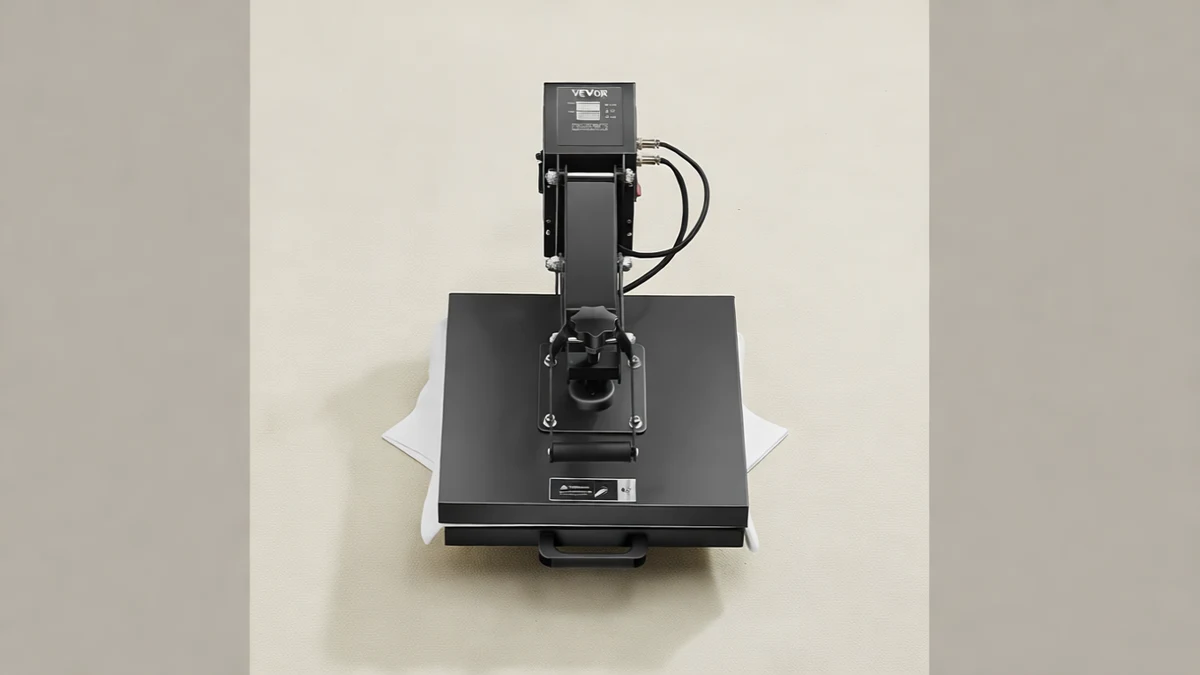
For t-shirt printing and flat panels, a 15 x 15 inch flat heat press is the most widely used size, with room for adult shirts and hoodies while staying compact enough for a home workshop.
| Product | Platen | Best machine |
|---|---|---|
| T-shirts and totes | Flat 8.5 x 4 in or larger | Flat heat press |
| Caps and hats | Curved cap platen + stretcher | Hat heat press |
| Mixed jobs | 2 or 4 interchangeable platens | Multi-function press |
Temperature and time control matter most
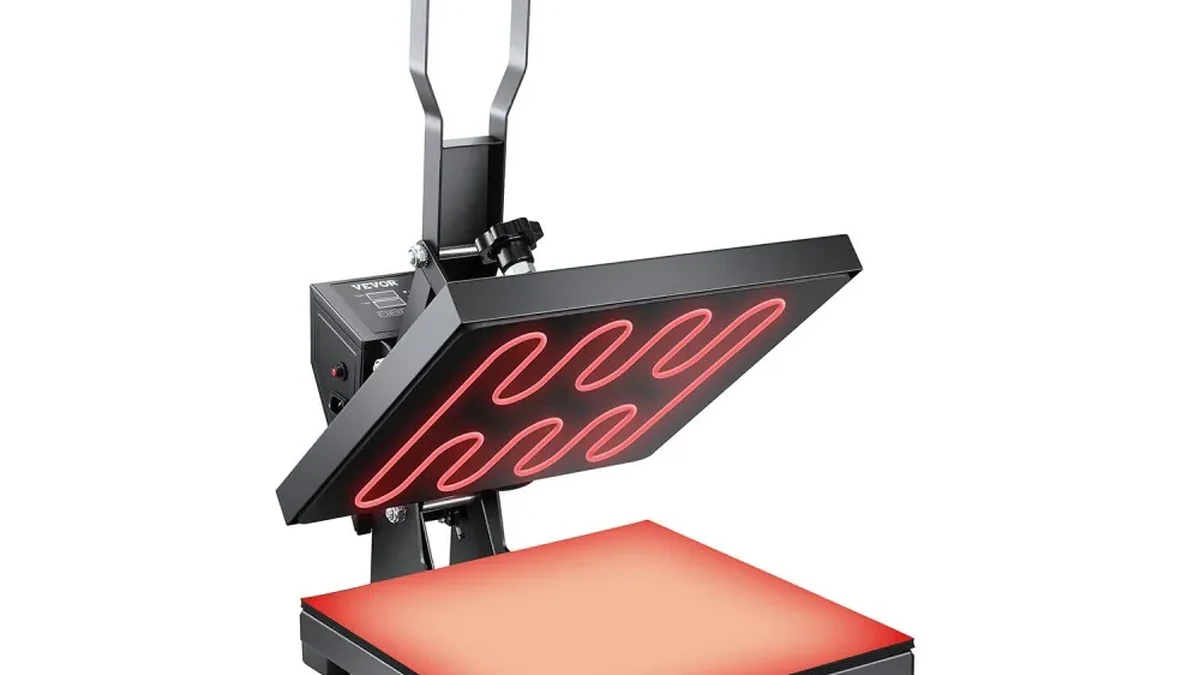
Heat transfer vinyl and sublimation depend on exact temperature and timing. A press with precise, digital temperature control and a timer reproduces the same result on every piece, which is the difference between a professional output and inconsistent rejects. Look for adjustable pressure too, because thick caps and thin shirts need different settings.
The 4-in-1 hat heat press with interchangeable platens handles caps plus flat items, and the single-function hat press is the focused choice if caps are your only product.
Build quality and safety
A heat press runs hot for hours, so the build matters. Look for even heat distribution across the platen (cold spots ruin transfers), a stable base that does not tip under pressure, and an auto-shutoff for safety. A cap stretcher keeps the cap shape during pressing, which prevents wrinkled or misshapen results.
Common mistakes to avoid
- Buying a flat press for caps: flat platens leave gaps on curved crowns and ruin the transfer.
- Ignoring temperature accuracy: off-temperature presses produce faded or burnt prints.
- Choosing attachment count over quality: more platens are only useful if each one heats evenly.
- Skipping the timer: pressing by guesswork makes every batch inconsistent.
Recommended heat press machines
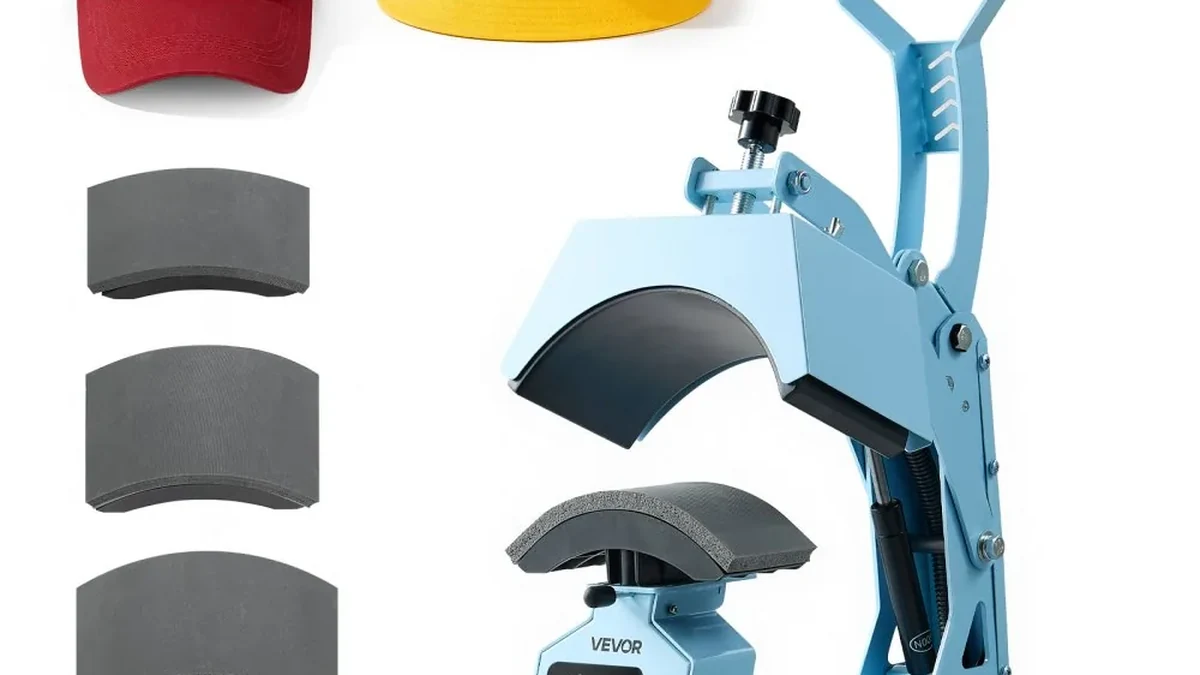
- VEVOR 4-in-1 hat heat press – caps plus flat items
- VEVOR 2-in-1 hat heat press – caps plus one extra platen
- VEVOR single-function hat press – cap-only production
- VEVOR 4-in-1 hat heat press, light blue – alternative finish
- VEVOR 12 x 10 inch flat heat press – compact t-shirts, totes, and small sublimation jobs
- VEVOR 15 x 15 inch flat heat press – t-shirts, totes, and sublimation printing
See the full heat press & printing collection.
Match the platen to the products you press: a 15 x 15 inch platen handles most shirts and hoodies, while smaller platens suit mugs and hats. Size to your most common product, not the largest item you might ever press.
Every material has a temperature and time window; too hot or too long scorches or bleeds, and too short gives weak adhesion. Look for accurate digital control and consistent platen heat so results are repeatable.
Start with a flat press if you plan to do shirts, totes, or flat panels, then add a mug or hat attachment only when those products are a real part of your business. Multi-purpose machines save space for hobby use.
Look for an auto shutoff, heat-resistant handles and feet, and a stable frame that does not wobble when open. A locking clamp that holds pressure evenly also protects both you and the finished product.
Related guides
Decorated products need display, and the sign making buying guide covers boards and displays. For the studio setup, the office organizers buying guide helps keep supplies tidy.
Frequently Asked Questions
2-in-1 or 4-in-1 hat heat press?
2-in-1 covers standard cap fronts; 4-in-1 adds platens for bigger projects like back caps and flat pieces.
What temperature control should a heat press have?
Precise digital temperature and time control with interchangeable platens gives repeatable results across materials.
Do I need a cap stretcher?
Yes for hats - a cap stretcher holds the cap shape so transfers sit flat on curved fronts.
Can a hat heat press do flat shirts?
Only with a flat platen option; single-function hat presses are shaped for caps, so pick the 4-in-1 if you mix projects.
Related Articles
Browse Related Products
Products covered by these guides.
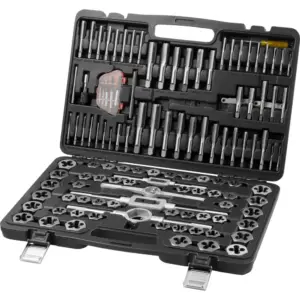
VEVOR Tap and Die Set, 116-Piece Include Metric and SAE Size, Bearing Steel Taps and Dies
Original price was: $88.90.$80.01Current price is: $80.01.Shop now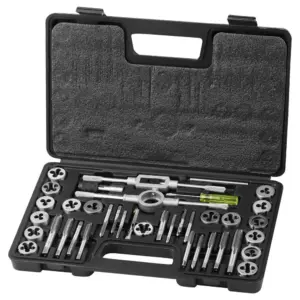
VEVOR Tap and Die Set, 40-Piece Include Metric Size M3 to M12, Bearing Steel Taps and Dies
$29.90Shop now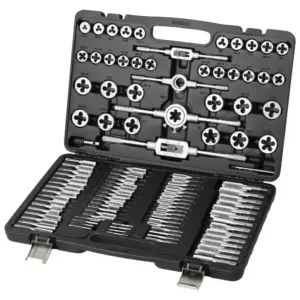
VEVOR Tap and Die Set, 110-Piece Include Metric Size M2 to M18, Bearing Steel Taps and Dies
$79.90Shop now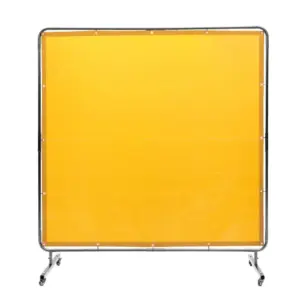
VEVOR Welding Screen with Frame, 6' x 6' Welding Curtain Screen, Flame-Resistant Vinyl Welding Protection Screen on 4 Swivel Wheel (2 Lockable)
$49.90Shop nowGet new guides first
New buying guides, size guides and restock alerts — one email a week.