
Fitness Equipment Buying Guide: Start With the Floor
The short answer
Choose home gym equipment by the floor it protects, the space it covers, and the exercises you actually do. Flooring is the first purchase for a reason: it protects your floor, your equipment, and your joints. After that, buy gear that fits the room and the workout, not gear that looks like a gym in a catalog.
Start with the floor
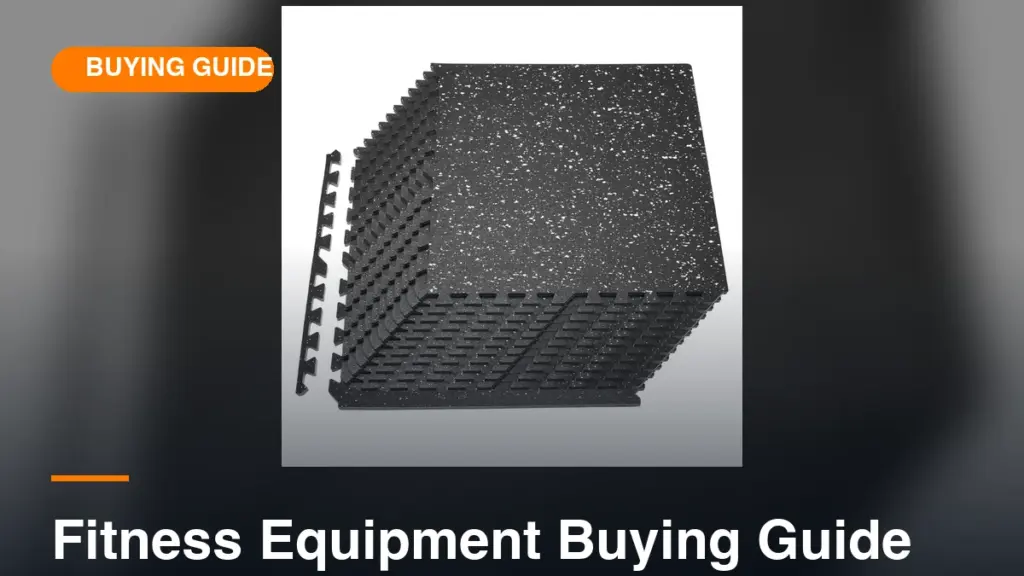
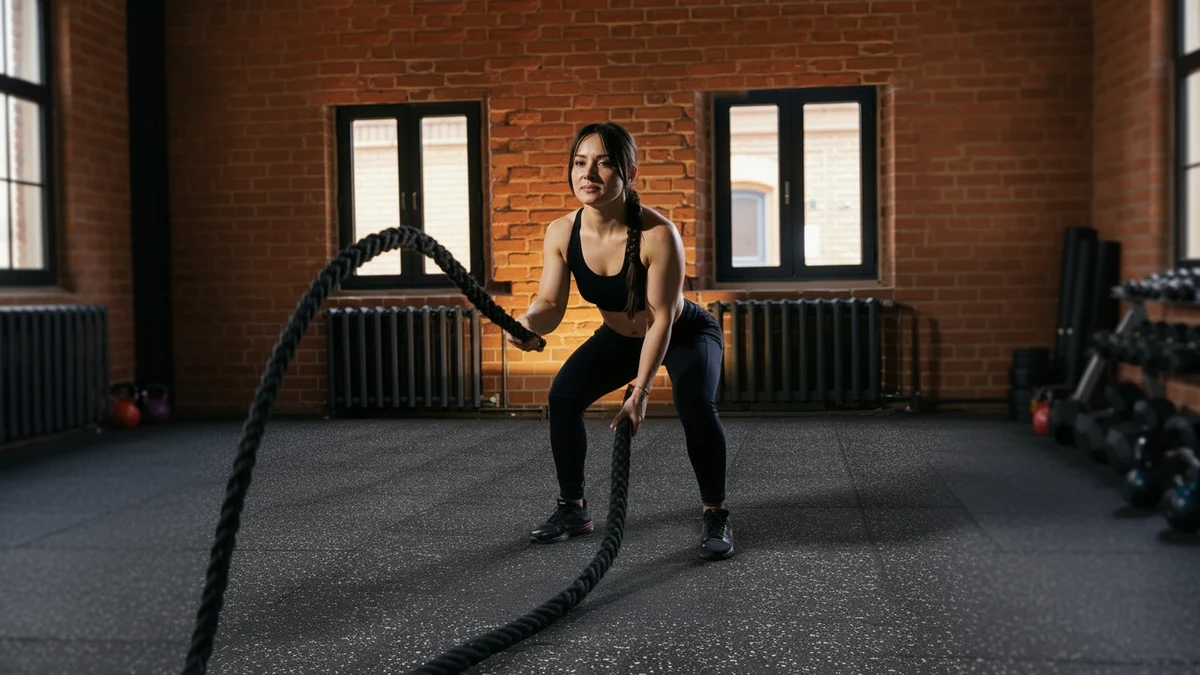
Interlocking puzzle mats are the backbone of a home gym because they protect subfloors from dropped weights and equipment feet, cushion standing exercises, and reduce noise for the rooms below. They are sized by thickness and count, and both should match how you use the space.
| Thickness | Best for | Coverage example |
|---|---|---|
| 0.4 inch | Light workouts, yoga, general floor protection | 24 mats = 96 sq ft |
| 0.56 inch | Strength training, dumbbells, standing cardio | 24 mats = 96 sq ft |
| 0.79 inch | Heavy weights, deadlifts, equipment zones | 12 mats = 48 sq ft |
High-density EVA foam absorbs impact without being spongy under equipment, and interlocking edges keep the surface flat and gap-free. The 24-piece 0.56-inch mat set is the standard for a full workout area, while the 12-piece 0.79-inch set creates a dense zone for heavy lifts.
Coverage math: count the square feet
Measure the workout area before you buy, then divide by the tile area to get the count. A standard 24 x 24 inch tile covers 4 sq ft, so a 10 x 10 ft space needs 25 tiles. Buy a set that covers the full area, and keep a few spare tiles for damaged pieces later.
Match the mat color and dot pattern to your room if the gym is a living space. Solid dark tiles hide scuffs; lighter tiles show dirt and need more cleaning.
Common mistakes to avoid
- Buying thin mats for heavy work: 0.4-inch mats compress under weights and let impact through.
- Undercounting tiles: mixing two batches of mats leaves visible seams and inconsistent height.
- Covering the whole room when you only need a zone: save money and keep the room flexible.
- Ignoring the surface under the mat: mats on hard floors need a clean, dry base to stay flat.
Recommended fitness equipment
- VEVOR 24-piece 0.56-inch puzzle mats – full workout area protection
- VEVOR 24-piece 0.4-inch puzzle mats – light workouts and floor care
- VEVOR 12-piece 0.79-inch puzzle mats – heavy-lift zone
- VEVOR 12-piece 0.56-inch puzzle mats – compact home gyms
See the full fitness equipment collection.
Yes if the room has hard floors or neighbors below: mats protect the floor, absorb impact, and keep equipment from sliding. A basic rubber mat set is the cheapest way to make a home gym usable.
Measure the room and multiply length by width, then add a border around equipment for safety. Cover the full workout area first, and use interlocking mats to fill odd shapes without cutting.
Thicker mats (around 3/4 inch) protect floors from dropped weights and heavy racks, while thinner mats suit yoga and light cardio. Match thickness to the heaviest thing you drop.
Start with the floor, then the one piece of equipment you will actually use weekly. Buying the floor first protects everything else and keeps the room comfortable.
Related guides
For safety and care equipment in the home, the mobility & medical aids buying guide covers first aid and accessibility gear.
Frequently Asked Questions
What thickness exercise mat do I need?
0.4-inch suits yoga and light workouts; 0.56-0.79 inch protects joints for HIIT, weights, and standing equipment.
How many tiles do I need for a home gym?
Measure the floor: 12 tiles cover about 24 sq ft for a compact station, 24 tiles cover about 48 sq ft for a full workout zone.
Are puzzle mats easy to keep clean?
Yes - interlocking EVA tiles lift and wipe down, and damaged tiles can be replaced individually without replacing the floor.
Do exercise mats work on garage concrete?
Yes, denser EVA tiles add cushioning and insulation over concrete; use 0.56 inch or thicker for comfort and joint protection.
Related Articles
Browse Related Products
Products covered by these guides.
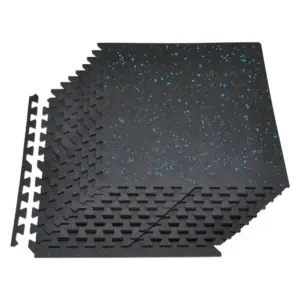
VEVOR Puzzle Exercise Mat, 24 PCS Fitness Equipment Mats, 24 x 24 x 0.4 in, High-Density EVA Foam Mats Set, Interlocking Rubber Soft Tiles
$146.90Shop now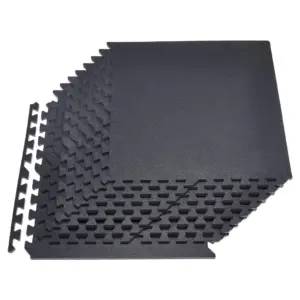
VEVOR Puzzle Exercise Mat, 12 PCS Fitness Equipment Mats, 24 x 24 x 0.56 in, High-Density EVA Foam Gym Mats Set, Interlocking Rubber Soft Tiles
$80.90Shop now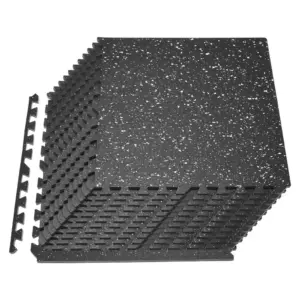
VEVOR Puzzle Exercise Mat, 24 PCS Fitness Equipment Mats, 24 x 24 x 0.56 in, High-Density EVA Foam Mat Set, Interlocking Rubber Soft Tiles
$165.90Shop now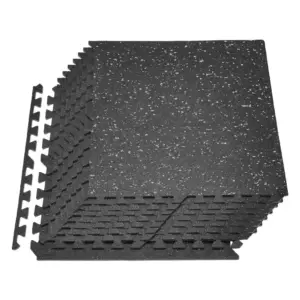
VEVOR Puzzle Exercise Mat, 12 PCS Fitness Equipment Mats, 24 x 24 x 0.4 in, High-Density EVA Foam Mats Set, Interlocking Rubber Soft Tiles
$72.90Shop nowGet new guides first
New buying guides, size guides and restock alerts — one email a week.