
Garage Shelving Buying Guide: Weight Per Tier Beats Total
The short answer
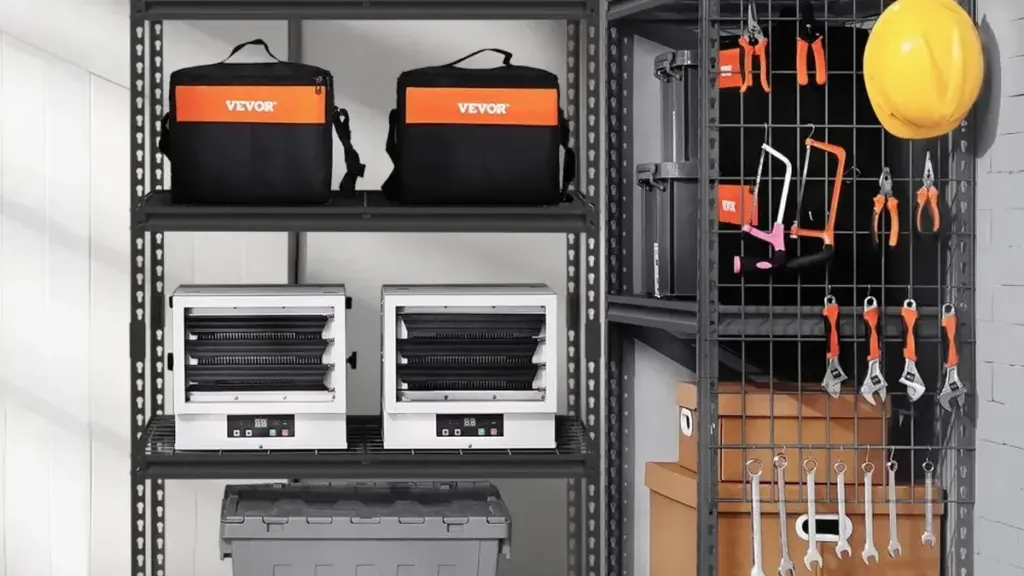
Choose garage shelving by the weight per shelf and the footprint you have, in that order. A shelf rated for 2,000 lb total still fails if a single shelf is overloaded, so check the per-tier rating and spread the load. Size the width and depth to the boxes you store, and leave the top shelf for light items.

Weight rating: per tier beats total
Heavy-duty garage shelving is rated two ways: total capacity and per-tier capacity. The per-tier number is what matters for how you load it. A 5-tier unit rated 2,000 lb total carries about 400 lb per tier if spread evenly, but a single loaded tote of tools can weigh that alone. Compare per-tier ratings before you buy.
| Shelving size | Tiers | Per-tier rating | Best for |
|---|---|---|---|
| 18 D x 36 W x 72 H | 5 | 400 lb | Garages, basements, kitchens |
| 16 D x 36 W x 72 H | 5 | 400 lb | Narrower spaces, standard totes |
| 20 D x 40 W x 60 H | 4 | 600 lb | Heavy bins and larger items |
| 18 D x 48 W x 72 H | 5 | 500 lb | Long items, bulk storage |
Size to the boxes, not the wall

Measure the totes, bins, and tools you store before you choose width and depth. A 36-inch-wide shelf fits standard totes side by side, while 48-inch shelves handle longer items like lumber and cases. Depth is the dimension people get wrong: a shelf that is too shallow leaves items hanging over the edge, and one that is too deep makes the back row unreachable.
Adjustable tiers are worth paying for because they let you reconfigure the spacing when the garage contents change. The 18 x 36 x 72 inch 5-tier unit is the versatile standard, and the 20 x 40 x 60 inch 4-tier unit carries heavier bins at a reachable height.
Common mistakes to avoid
- Loading by total capacity: spread weight per tier, or a single heavy tote buckles the shelf.
- Buying too deep: a deep shelf with a blocked back row just collects unused storage.
- Putting heavy items on the top tier: lifting above shoulder height is unsafe and strains the frame.
- Skipping adjustable tiers: fixed shelves force you to waste space or re-buy when contents change.
Recommended garage shelving
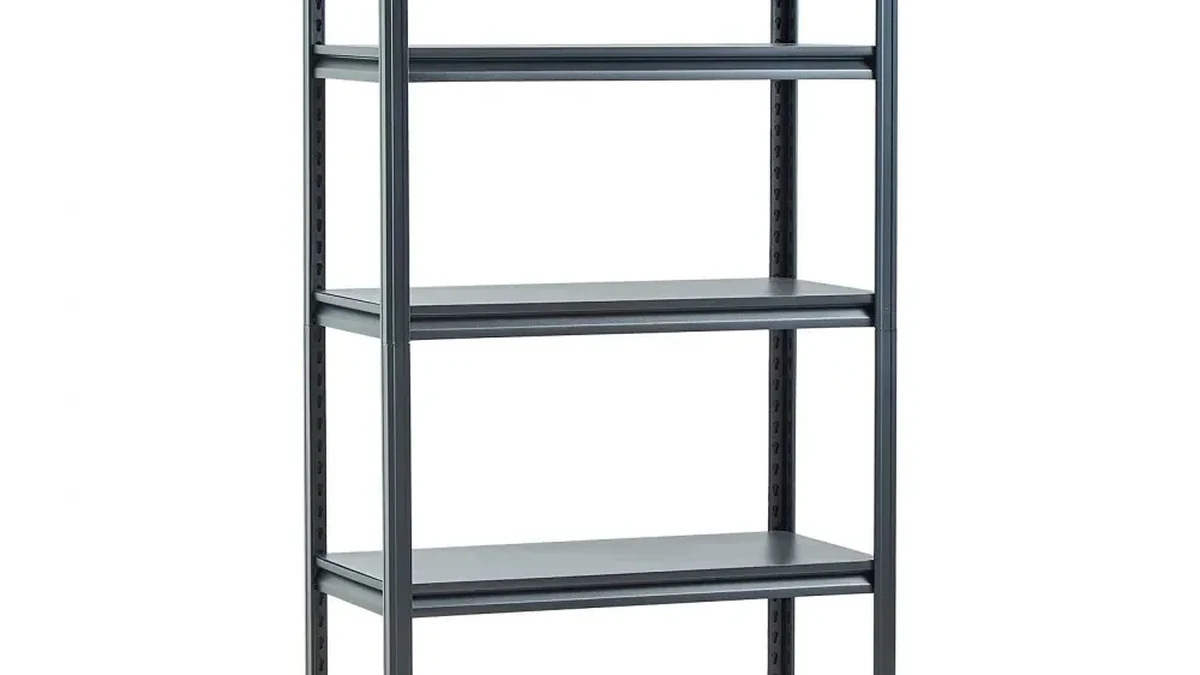
- VEVOR 18 x 36 x 72 inch 5-tier shelves – the all-round garage unit
- VEVOR 20 x 40 x 60 inch 4-tier shelves – heavy bins at reachable height
- VEVOR 18 x 48 x 72 inch 5-tier shelves – long items and bulk storage
- VEVOR 16 x 36 x 72 inch 5-tier shelves – narrow spaces
See the full garage shelving collection.
Check the rating per tier, not the total: a shelf rated 300 lb per tier handles 1,200 lb across four tiers. Stack heavy items on lower tiers and keep the load under the per-tier rating.
Measure the boxes you store, not the wall: shelf depth must fit the box depth, and tier height must clear the tallest box. Count the boxes you have, add room to grow, then choose the unit.
Freestanding units hold more weight per shelf and need no studs, which suits heavy totes and tools. Wall-mounted shelves save floor space but depend on stud placement and carry less weight.
Stay at or below the manufacturer per-tier rating and spread weight evenly. The weakest point is usually the shelf deck or brackets, not the frame, so never concentrate a load in one spot.
Related guides
For moving heavy loads onto shelves, the material handling buying guide covers dollies and lifting aids. The storage & organization buying guide covers racks and holders for the rest of the house.
Frequently Asked Questions
What size garage shelves do I need?
Measure the wall: 16 x 36 x 72 inch fits narrow walls, 18 x 48 x 72 inch covers wider runs, and 20 x 40 x 60 inch suits medium-height garages.
How much weight should garage shelving hold?
400 lb per shelf or more handles tools, bins, and heavy boxes; verify the per-shelf rating matches your heaviest item.
5 tiers or 4 tiers?
5 tiers maximize vertical space for lighter bins; 4 tiers with taller gaps suit bulky items like tires and power equipment.
Do I need to anchor garage shelves?
Yes - anchor tall freestanding shelves to the wall studs in earthquake areas or when storing heavy items high.
Related Articles
 Garage & Workshop
Shutter Exhaust Fan Buying Guide: Size It by CFM, Not by the Inches
Mike Thompson · Aug 2026 Garage & Workshop
3.5 CFM Vacuum Pump Buying Guide: The 3 Numbers That Matter
Mike Thompson · Aug 2026 Garage & Workshop
Garage Exhaust Fan CFM: Stop Overspending on the Wrong Size Fan
Mike Thompson · Jul 2026Browse Related Products
Products covered by these guides.
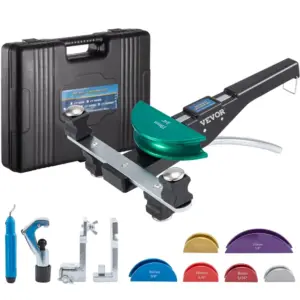
VEVOR Copper Pipe Bender, 7 Colorful Dies 1/4-7/8 inch 90 Degrees Forward and Reverse Bending
Original price was: $85.90.$79.03Current price is: $79.03.Shop now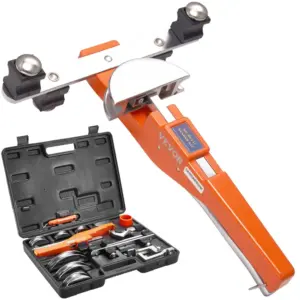
VEVOR Pipe Tube Bender, 1/4"-7/8" O.D. Ratcheting Tubing Bender
$80.90Shop now
VEVOR Bladeless Tower Fan, 65° Oscillating Standing Fan, 12 Speeds & 4 Modes & 8H Timer, 14.76 ft/s High Velocity Floor Air Circulator
$92.90Shop now
VEVOR Tower Fan Bladeless, 16.4ft/s Velocity Floor Fan that Blows Cold Air, 80° Oscillating 8-Speed Fans, 8H Timer
Original price was: $123.90.$93.99Current price is: $93.99.Shop nowGet new guides first
New buying guides, size guides and restock alerts — one email a week.