
Extension Cord Reel Buying Guide: Wire Gauge Decides Safety
The short answer
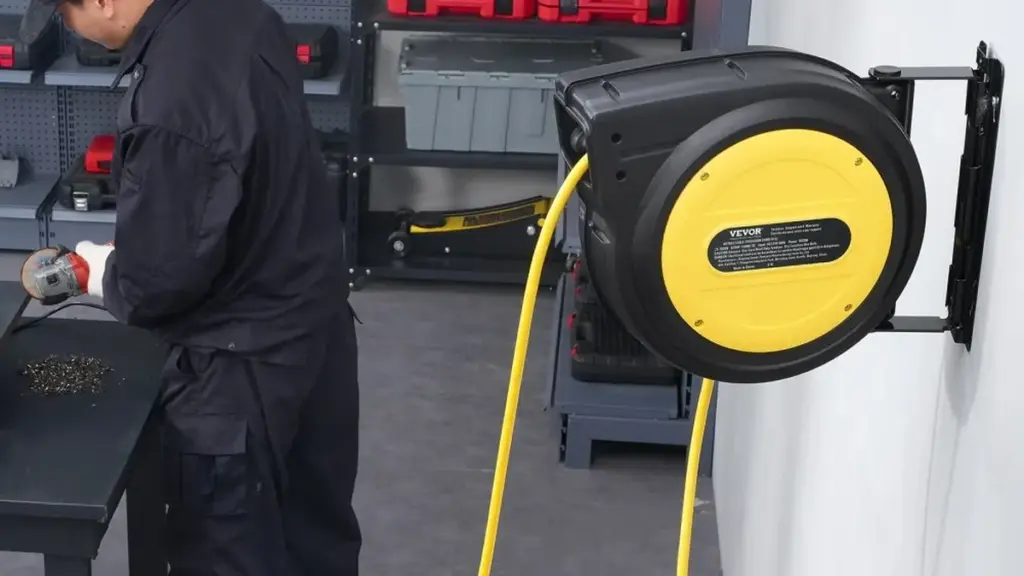
Choose extension cords by the wire gauge, and choose reels by how far you work from the outlet. The gauge decides what the cord can safely power, and the length decides how much reach you get without voltage drop. Match both to the tools you plug in, not the biggest cord on the shelf.
Wire gauge: the number that decides safety
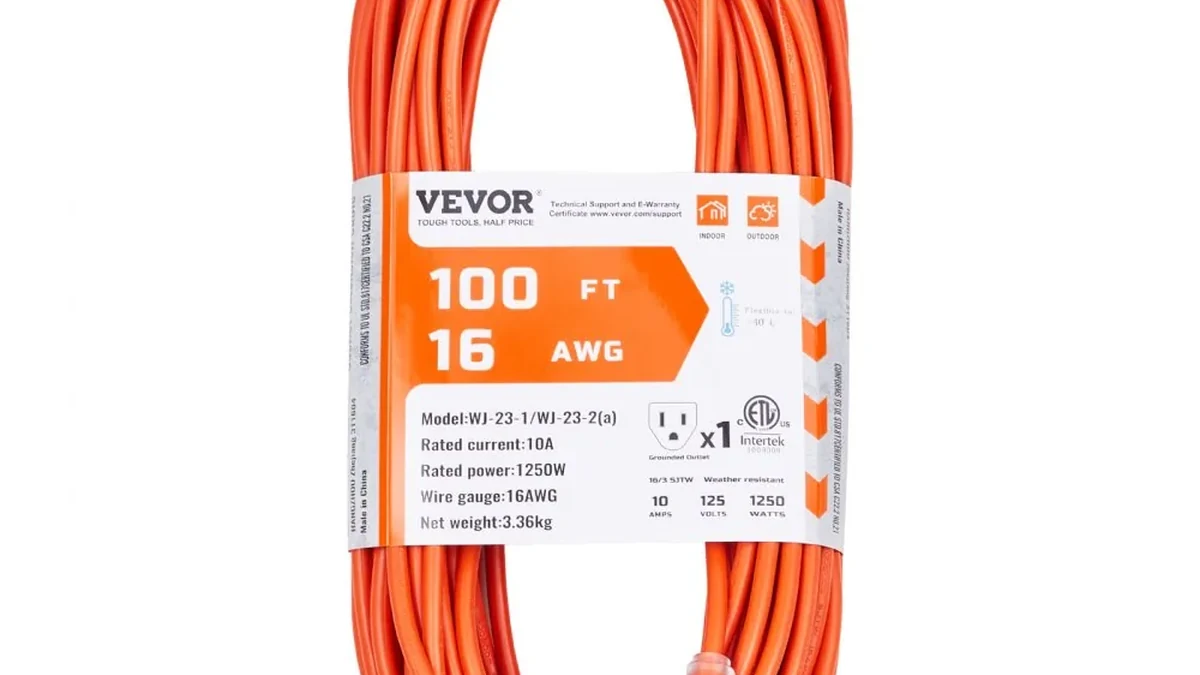
Wire gauge (AWG) determines how much current a cord can carry. Lower numbers are thicker and carry more current over longer runs. A 16 AWG cord carries about 10 amps, enough for lights and small appliances. A 12 AWG cord carries 15 amps and powers saws, heaters, and heavy shop equipment. Using a thin cord for a heavy tool causes voltage drop, heat, and tripped breakers.
| Gauge | Amps | Watts | Best for |
|---|---|---|---|
| 16 AWG | 10 A | 1,250 W | Lights, small appliances, office |
| 14 AWG | 13 A | 1,625 W | Reels, medium tools |
| 12 AWG | 15 A | 1,875 W | Lawn tools, garage, heavy duty |
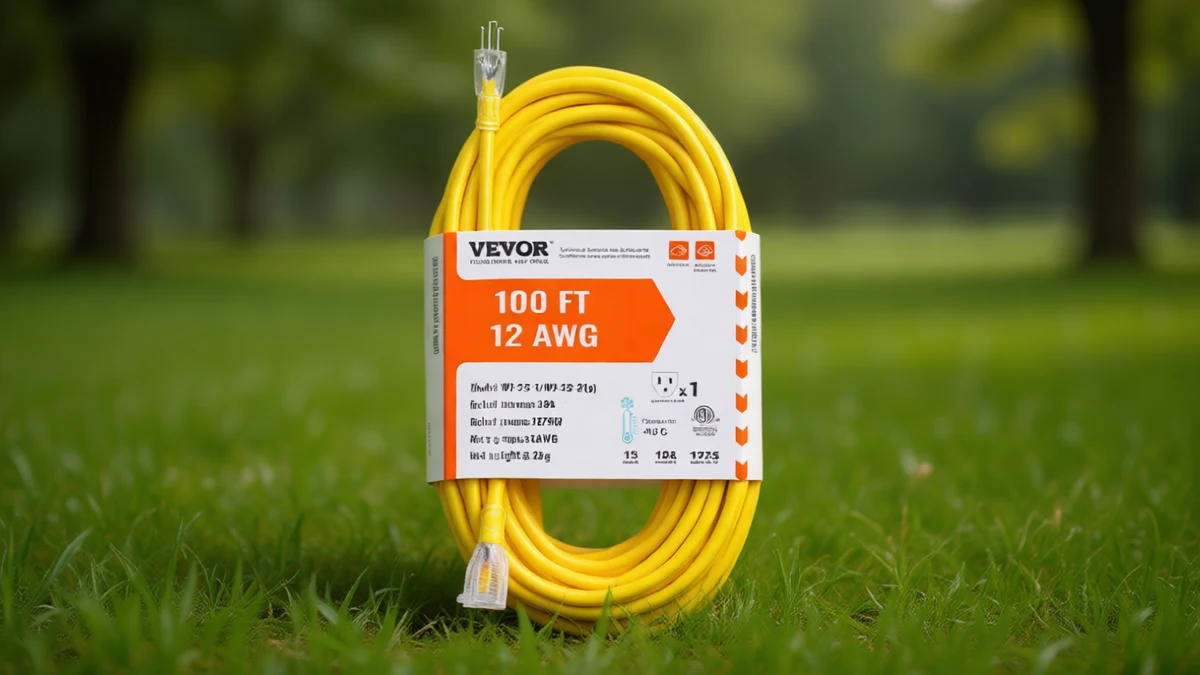
The 100 ft 12 AWG heavy-duty cord powers lawn mowers and shop tools at full reach, while the 100 ft 16 AWG cord is right for lights and appliances.
Retractable reels: length, outlet, and breaker
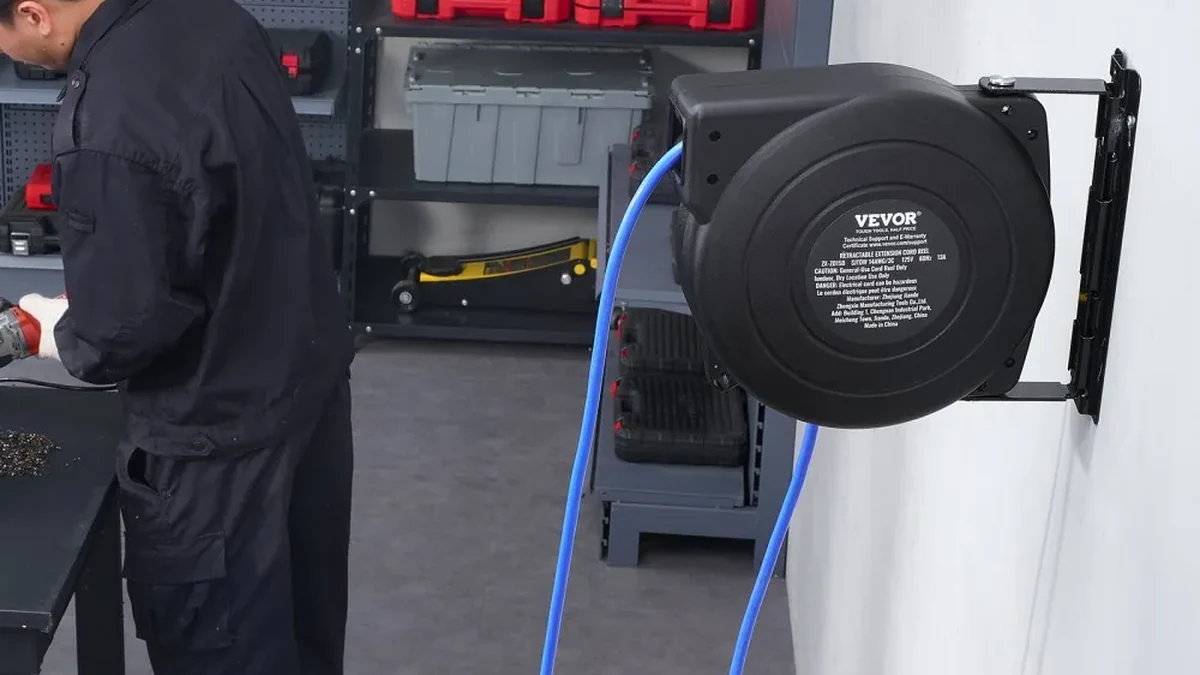
Retractable reels keep long cords tidy and out of the way, which reduces trip hazards and cord wear. Choose the reel length by the farthest point you work: a 50 ft reel covers a single bay, and a 75 ft reel reaches across a two-car garage or workshop. A triple-tap outlet on the reel head lets several tools share the run, and an integrated circuit breaker protects the tools and the cord.
The 75 ft retractable cord reel with a 13-amp breaker and 180-degree swivel mount is the workshop standard, and the 50 ft version fits compact garages.
Cold resistance and lighted ends
If the cord runs outdoors in winter, check the cold rating: a -40 degree rating keeps the jacket flexible instead of stiff and cracking. A lighted end shows at a glance whether power is live, which matters in garages and yards.
Common mistakes to avoid
- Buying by length instead of gauge: a 100 ft 16 AWG cord cannot safely power a 15-amp saw.
- Coiling heavy cord by hand: a retractable reel prevents tangles and extends cord life.
- Oversizing length: extra cord length means extra voltage drop; buy the reach you use.
- Ignoring the breaker: a reel without a circuit breaker leaves tools unprotected from overloads.
Recommended extension cords and reels
- VEVOR 75 ft retractable cord reel – workshop standard with breaker
- VEVOR 50 ft retractable cord reel – compact garages
- VEVOR 100 ft 12 AWG heavy-duty cord – lawn and shop tools
- VEVOR 100 ft 16 AWG indoor-outdoor cord – lights and appliances
See the full extension cord reels collection.
Match gauge to the tool load and run length: 12 AWG handles heavy workshop tools and longer runs, while 14 AWG suits lights and light-duty use. A cord that is too thin for the load overheats.
Retractable reels keep the cord off the floor and are ready to use in seconds, which suits workshops and garages. Manual reels are simpler and cheaper when you rarely move the cord far.
Use the shortest length that reaches, because voltage drop grows with length. For power tools, buy the shortest cord that works with the correct gauge instead of one long cord for everything.
Cold-resistant jackets stay flexible and safe in freezing garages, and lighted ends show when the circuit is live. Both are worth it if you work outdoors or in unheated spaces in winter.
Related guides
Powering shop fans and heaters? The HVAC & ductwork buying guide covers the equipment they feed. For the tools that plug in, the power tools buying guide is next.
Frequently Asked Questions
What gauge extension cord do I need?
12 AWG handles heavy tools up to 100 ft; 16 AWG suits lights and light tools at shorter runs.
Retractable reel or straight cord?
A retractable reel keeps the floor clear and stores itself; a straight cord is simpler for fixed permanent runs.
How long can an extension cord be?
Up to 100 ft at the right gauge; longer runs need heavier wire to avoid voltage drop and heat.
Can I use an indoor extension cord outside?
No - use an indoor/outdoor rated cord with sealed connections for damp and weather exposure.
Related Articles
 Garage & Workshop
Shutter Exhaust Fan Buying Guide: Size It by CFM, Not by the Inches
Mike Thompson · Aug 2026 Garage & Workshop
3.5 CFM Vacuum Pump Buying Guide: The 3 Numbers That Matter
Mike Thompson · Aug 2026 Garage & Workshop
Garage Shelving Buying Guide: Weight Per Tier Beats Total
Mike Thompson · Aug 2026Browse Related Products
Products covered by these guides.
VEVOR Copper Pipe Bender, 7 Colorful Dies 1/4-7/8 inch 90 Degrees Forward and Reverse Bending
Original price was: $85.90.$79.03Current price is: $79.03.Shop now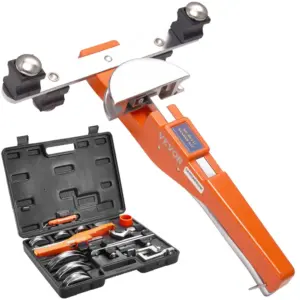
VEVOR Pipe Tube Bender, 1/4"-7/8" O.D. Ratcheting Tubing Bender
$80.90Shop now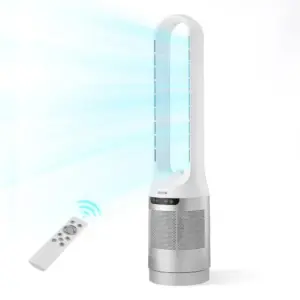
VEVOR Bladeless Tower Fan, 65° Oscillating Standing Fan, 12 Speeds & 4 Modes & 8H Timer, 14.76 ft/s High Velocity Floor Air Circulator
$92.90Shop now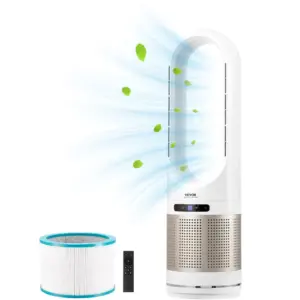
VEVOR Tower Fan Bladeless, 16.4ft/s Velocity Floor Fan that Blows Cold Air, 80° Oscillating 8-Speed Fans, 8H Timer
Original price was: $123.90.$93.99Current price is: $93.99.Shop nowGet new guides first
New buying guides, size guides and restock alerts — one email a week.