
Gas Chainsaw Buying Guide: Match Bar Length & CC to the Job
The short answer
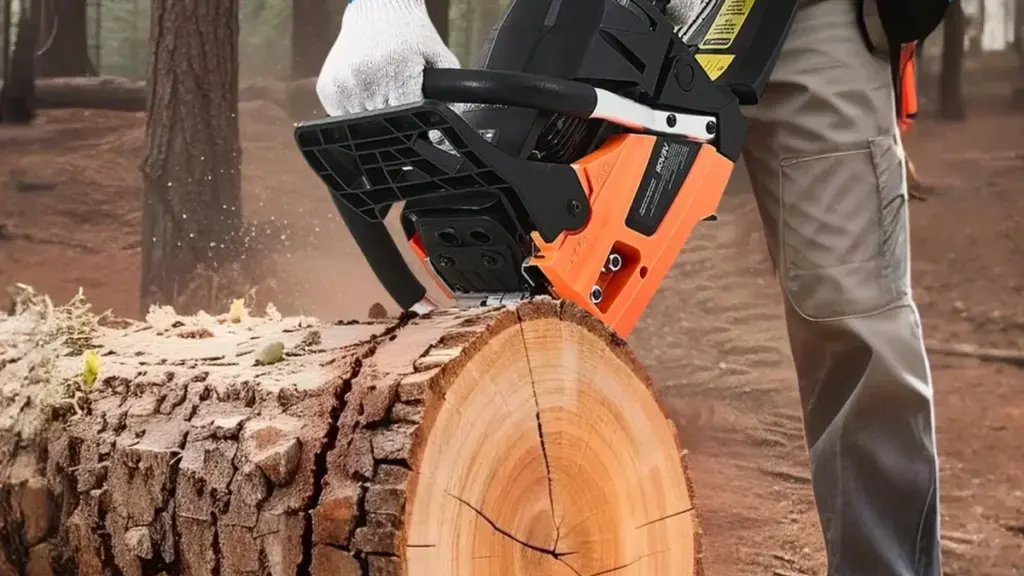
Choose a gas chainsaw by bar length, because the bar decides the largest wood you can cut. A 12-inch bar handles branches and small firewood; a 16-inch bar covers most home trees; and an 18-20 inch bar is for larger logs and land clearing. Match the engine power to the bar length so the saw cuts without bogging.
Bar length: the cut size rule
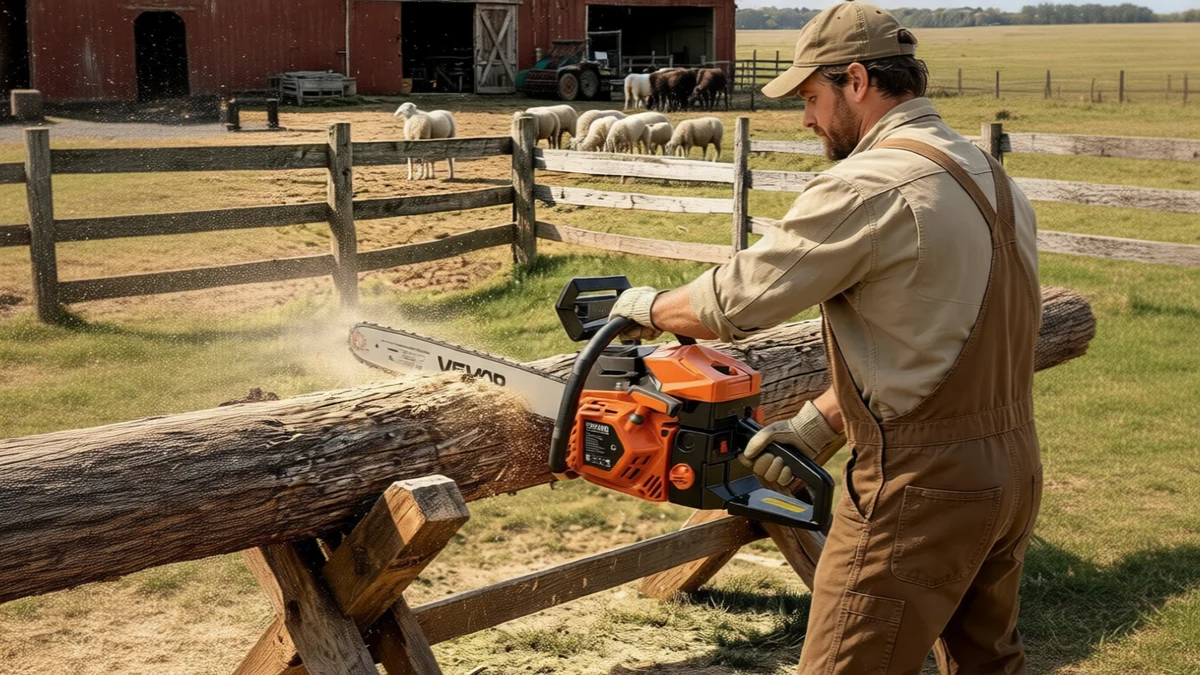
The usable cut is shorter than the bar length, because the engine housing and chain cover sit behind the bar. A 12-inch bar cuts roughly 10 inches of wood, a 16-inch bar cuts about 14 inches, and an 18-20 inch bar handles 16-18 inch logs. Choose the bar by the thickest wood you regularly cut, not the occasional monster log.
| Bar length | Usable cut | Engine size | Best for |
|---|---|---|---|
| 12 inch | ~10 inch | 25.4-40 cc | Branches, brush, small firewood |
| 16 inch | ~14 inch | 40-52 cc | Home trees, medium logs |
| 18-20 inch | ~16-18 inch | 52-62 cc | Large logs, land clearing |
Engine power: match cc to the bar
The engine displacement (cc) must match the bar, or the saw either bogs in the cut or wastes fuel. A 25.4 cc engine suits a 12-inch bar for trimming. A 40 cc engine with a 16-inch bar is the home-standard balance of power and weight. A 52-62 cc engine with an 18-20 inch bar handles sustained cutting and larger diameter wood.
The 16-inch 40 cc gas chainsaw is the best all-round home choice, and the 52 cc 18-inch model steps up for farm and ranch work.
Features that matter in daily use
Look for a throttle-synced choke that starts the saw with fewer pulls, non-slip handles for control, and dual fuel tanks that let you refuel less often. A top-handle design helps for one-handed trimming, while a rear handle gives more control for bucking logs. Chain tensioning without tools is a convenience you will appreciate on every job.
For heavy-duty clearing, the 62 cc 20-inch gas chainsaw with 3.8 HP handles the biggest rounds and long cutting sessions.
Common mistakes to avoid
- Buying a bar longer than the engine can drive: an undersized engine bogs and overheats the chain.
- Oversizing for occasional use: a 20-inch saw is heavy to carry for branch trimming.
- Ignoring the usable cut: a 12-inch bar does not cut 12-inch logs.
- Forgetting matching chains: the replacement chain must match pitch, gauge, and drive links.
Recommended gas chainsaws
- VEVOR 16-inch 40 cc gas chainsaw – the home standard
- VEVOR 52 cc 18-inch gas chainsaw – farm and ranch work
- VEVOR 62 cc 20-inch gas chainsaw – heavy clearing
- VEVOR 12-inch 25.4 cc gas chainsaw – trimming and small firewood
Browse the full gas chainsaws collection.
Bar length sets the largest log you can cut in one pass: a 10-12 inch bar handles firewood and branches, while 14-16 inch bars cut bigger logs. Choose the bar for your typical cut, not the biggest log you might meet.
Match cc to the bar: around 25-30cc suits 10-12 inch bars for light work, and 35cc or more handles longer bars and heavier cutting. A bigger engine cuts faster but weighs more and drinks more fuel.
Gas chainsaws cut faster and run anywhere without cords or batteries, which suits firewood and property work. Electric models are lighter and quieter for small jobs near power. Choose by how often and where you cut.
Look for easy starting, tool-free chain tensioning, and a low-kickback bar and chain. Automatic oiling keeps the chain lubed while you work, and an anti-vibration handle reduces fatigue on longer cuts.
Related guides
Is a 12-inch saw enough for your home? Our 12-inch chainsaw review answers that in detail. When the chain wears, the gas chainsaw chains buying guide explains how to match a replacement.
Frequently Asked Questions
What cc gas chainsaw do I need?
25.4 cc suits small limbs and light trimming; 40-52 cc handles firewood and general cutting; 62 cc covers big logs and heavy felling.
What bar length matches my job?
12-inch for pruning, 16-18 inch for firewood and general use, 20-inch for larger trunks.
Gas or cordless chainsaw for a farm?
Gas for remote fields and long sessions - no extension cords or battery swaps; cordless suits light yard work near power.
Do I need dual fuel tanks?
Convenient, not required - dual tanks extend runtime before refueling on big jobs.
Related Articles
 Garage & Workshop
Shutter Exhaust Fan Buying Guide: Size It by CFM, Not by the Inches
Mike Thompson · Aug 2026 Garage & Workshop
3.5 CFM Vacuum Pump Buying Guide: The 3 Numbers That Matter
Mike Thompson · Aug 2026 Garage & Workshop
Garage Shelving Buying Guide: Weight Per Tier Beats Total
Mike Thompson · Aug 2026Browse Related Products
Products covered by these guides.
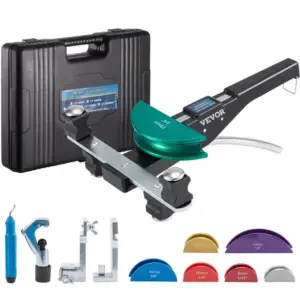
VEVOR Copper Pipe Bender, 7 Colorful Dies 1/4-7/8 inch 90 Degrees Forward and Reverse Bending
Original price was: $85.90.$79.03Current price is: $79.03.Shop now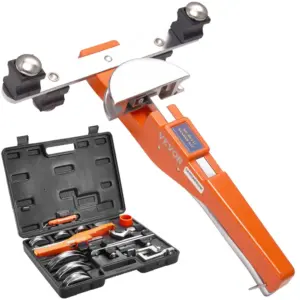
VEVOR Pipe Tube Bender, 1/4"-7/8" O.D. Ratcheting Tubing Bender
$80.90Shop now
VEVOR Bladeless Tower Fan, 65° Oscillating Standing Fan, 12 Speeds & 4 Modes & 8H Timer, 14.76 ft/s High Velocity Floor Air Circulator
$92.90Shop now
VEVOR Tower Fan Bladeless, 16.4ft/s Velocity Floor Fan that Blows Cold Air, 80° Oscillating 8-Speed Fans, 8H Timer
Original price was: $123.90.$93.99Current price is: $93.99.Shop nowGet new guides first
New buying guides, size guides and restock alerts — one email a week.