
Welding Screen Buying Guide: Match the Size to Your Bay
The short answer
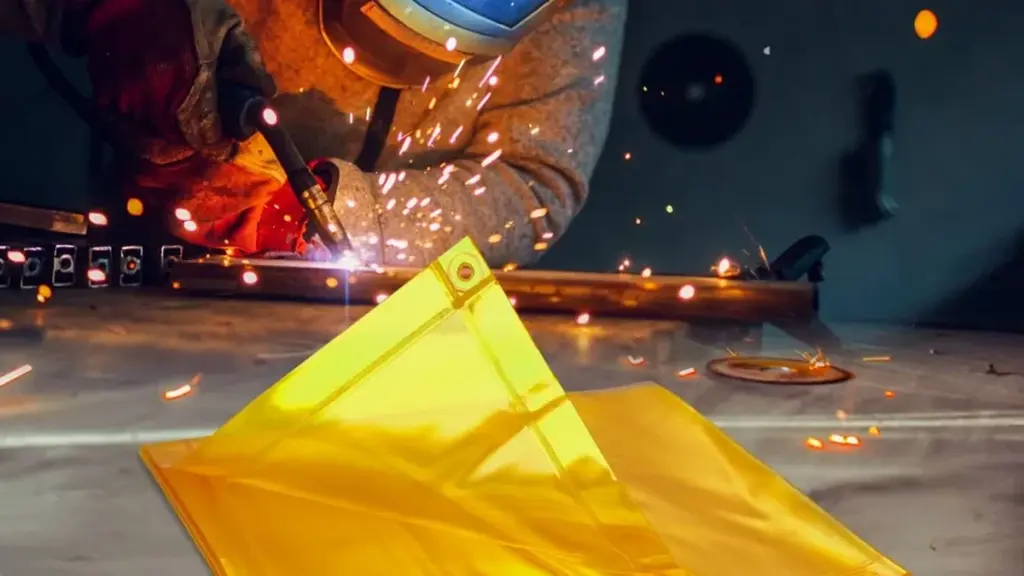
Choose a welding screen by the footprint of your work area and the level of protection you need. A 6 x 6 foot screen fits a single station or bay; a 6 x 8 foot screen gives you more width for longer parts and two-sided access. Match the flame-resistant vinyl to your spark load, and make sure the frame rolls and locks so the screen is easy to move between jobs.
Screen size: match the bay, not the floor plan
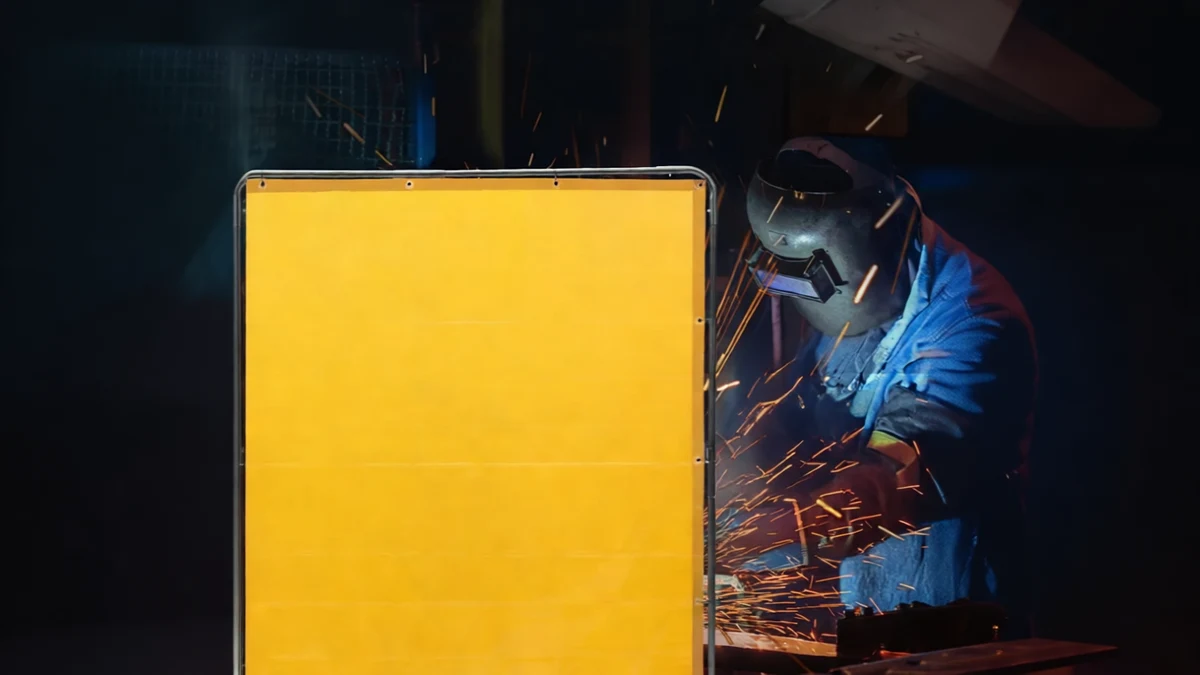
Welding screens do two jobs at once: they block UV flash and sparks from passers-by, and they divide a shop into safe zones. Size matters more than you think. A 6 x 6 foot screen surrounds a workbench or a compact station. A 6 x 8 foot screen adds two extra feet of width, which matters when you weld long pieces, use a positioner, or want to shield two sides of a cart at once.
Measure the height of your work surface and the travel of your torch. The screen should stand taller than the tallest arc you normally strike, and wide enough to cover the swing of the workpiece.
Frame, wheels, and mobility
A welded shop is rarely static, so the frame matters as much as the curtain. Look for a self-supporting frame with swivel wheels, ideally two lockable casters, so the screen stays put while you work and rolls to the next bay in seconds. The curtain should hang in panels that can be drawn back, letting you control access on each side.
For a single-station setup, a 6 x 6 foot yellow welding screen is the classic choice—visible, durable, and easy to move on lockable wheels. If your parts are longer or you want to shield a larger area, the 6 x 8 foot green screen adds width without a bigger footprint in the aisle.
Vinyl, color, and protection level
All of these screens use flame-resistant vinyl, but color signals how the screen is best used. Yellow and orange draw attention and are common for general welding. Green is a traditional welding curtain color and hides dust well. Blue and red offer an alternative look while providing the same UV-rated protection—look for a 6-level UV rating on the specification for peace of mind.
| Workspace | Size | Good pick |
|---|---|---|
| Compact bench station | 6 x 6 ft | Yellow or green screen on lockable wheels |
| Long parts and two-sided work | 6 x 8 ft | Wider green screen |
| High-visibility safety zone | 6 x 6 ft | Blue screen with 6-level UV protection |
If your shop wants a consistent look or you need to block glare in a brighter bay, the 6 x 6 foot blue screen offers the same frame and wheels with a six-level UV-rated curtain.
Common mistakes to avoid
- Buying one screen too small: a 6 x 6 screen is enough for a bench, but long welds leave neighbors exposed.
- Ignoring the wheels: a fixed frame becomes a permanent obstacle once your layout changes.
- Treating color as purely decorative: choose a curtain with a UV rating for arc work, not a plain tarp.
- Forgetting lockable casters: a screen that drifts mid-weld is a safety issue, not a convenience.
Recommended welding screens
- VEVOR 6 x 6 ft yellow welding screen – classic all-round single-station screen
- VEVOR 6 x 8 ft green welding screen – extra width for longer parts
- VEVOR 6 x 6 ft blue welding screen – 6-level UV-rated curtain
- VEVOR 6 x 6 ft red welding screen – high-visibility option for busy shops
Browse the full welding collection for more options.
Size the screen to the welding bay, not the whole floor. A 6×6 foot screen protects one work station, while larger bays may need 8 foot or multi-panel setups. The screen should surround the arc, not the entire room.
Mobile screens on wheels let one screen protect several work areas and are easier to store. Fixed screens are sturdier for a permanent bay. Most home shops do better with a mobile, multi-panel screen.
Darker vinyl, such as dark green, blocks more UV and glare while still letting you see the work area. Match the vinyl rating to the process you use, and check that the frame keeps the vinyl taut.
Three panels create a U-shape that protects the sides and front of a work station. Two panels suit smaller jobs where one side faces a wall. Add panels only when the bay is exposed on more sides.
Related guides
To kit out the rest of the bench, the power tools buying guide covers drills, drivers, and shop essentials. For tool storage that keeps a welding bay tidy, the automotive tools buying guide is a useful companion read.
Frequently Asked Questions
6 x 6 or 6 x 8 welding screen?
6 x 6 fits a single bench station; 6 x 8 adds width for long parts and two-sided access.
What makes a welding screen safe?
Flame-resistant vinyl rated for arc work, ideally with a 6-level UV rating; color is style, the rating is safety.
Do I need wheels on a welding screen?
Yes in most shops - swivel wheels with two lockable casters let you move the screen between bays and keep it stable mid-weld.
Can a welding screen replace a curtain?
Screens are portable and self-supporting; fixed curtains cover permanent zones. Choose screens when the layout changes.
Related Articles
 Garage & Workshop
Shutter Exhaust Fan Buying Guide: Size It by CFM, Not by the Inches
Mike Thompson · Aug 2026 Garage & Workshop
3.5 CFM Vacuum Pump Buying Guide: The 3 Numbers That Matter
Mike Thompson · Aug 2026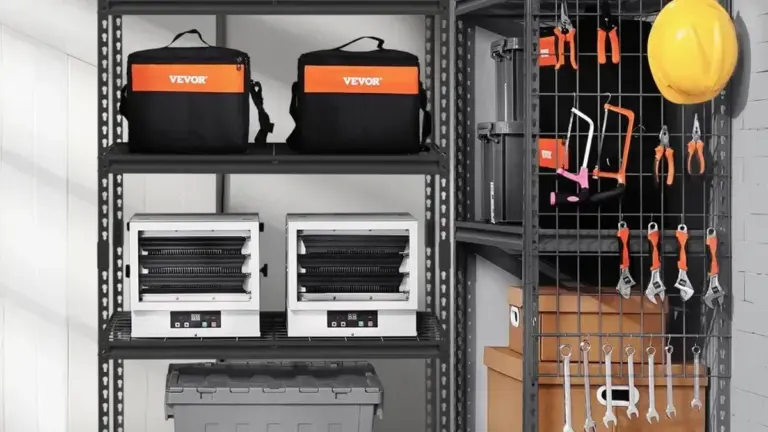 Garage & Workshop
Garage Shelving Buying Guide: Weight Per Tier Beats Total
Mike Thompson · Aug 2026Browse Related Products
Products covered by these guides.
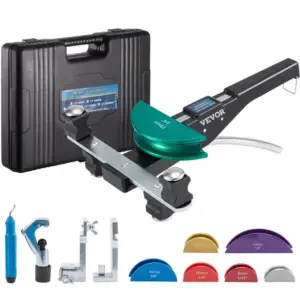
VEVOR Copper Pipe Bender, 7 Colorful Dies 1/4-7/8 inch 90 Degrees Forward and Reverse Bending
Original price was: $85.90.$79.03Current price is: $79.03.Shop now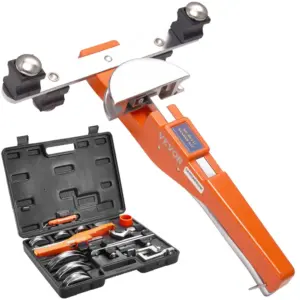
VEVOR Pipe Tube Bender, 1/4"-7/8" O.D. Ratcheting Tubing Bender
$80.90Shop now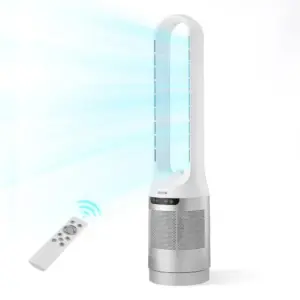
VEVOR Bladeless Tower Fan, 65° Oscillating Standing Fan, 12 Speeds & 4 Modes & 8H Timer, 14.76 ft/s High Velocity Floor Air Circulator
$92.90Shop now
VEVOR Tower Fan Bladeless, 16.4ft/s Velocity Floor Fan that Blows Cold Air, 80° Oscillating 8-Speed Fans, 8H Timer
Original price was: $123.90.$93.99Current price is: $93.99.Shop nowGet new guides first
New buying guides, size guides and restock alerts — one email a week.