
Commercial Kitchen Buying Guide: Safety Features First
The short answer
Commercial kitchen gear should be chosen by safety, capacity, and cleanup time. For oil disposal and filtration, size the container to the volume you actually fry and match the material to how hot and how often you handle it. Equipment that is easy to empty and clean gets used; equipment that is awkward gets left full.
Fryer oil management: size to your fryer
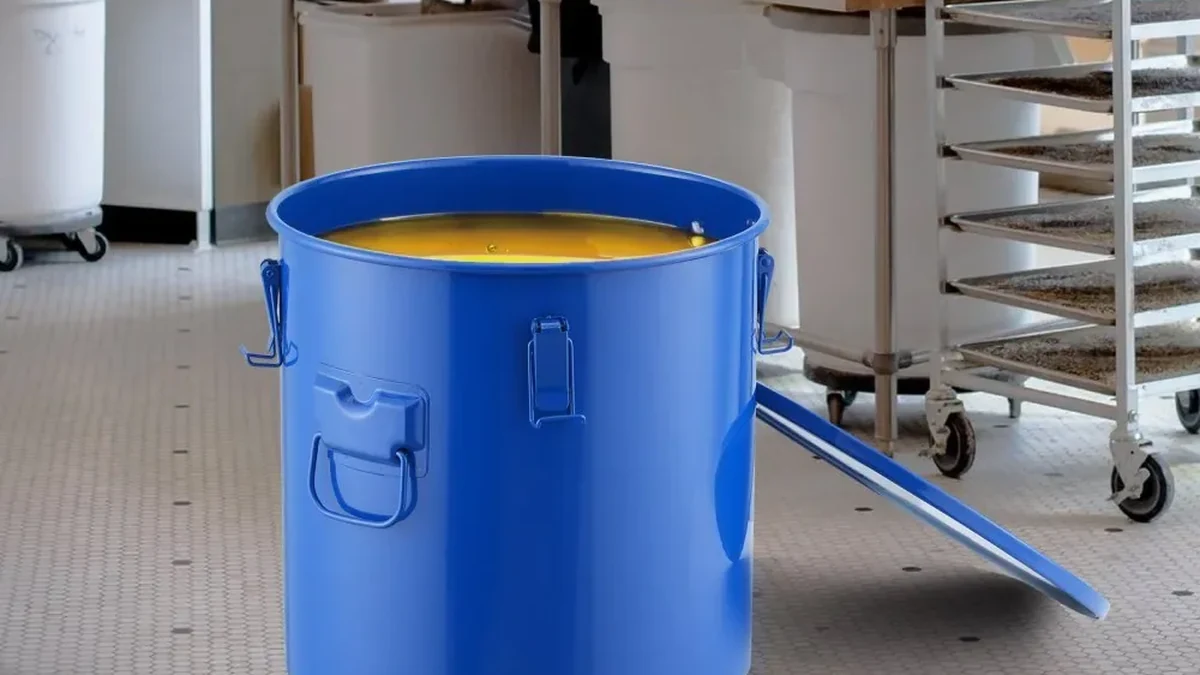
The most common commercial kitchen mistake is choosing an oil container by price instead of by fryer volume. An 8-gallon bucket suits a standard single fryer, while a 10-gallon container covers larger or double fryers and leaves headroom for filtering. Undersized containers force extra trips and overflow risk; oversized ones waste floor space and are heavy when full.
| Fryer size | Container size | Material |
|---|---|---|
| Countertop fryer | 6 gallon | Carbon steel |
| Standard floor fryer | 8 gallon | Stainless or carbon steel |
| Double fryer / high volume | 10 gallon | Stainless steel |
Stainless steel resists the rust and pitting that hot oil and cleaning chemicals cause, which makes it the longer-lived choice for daily use. Carbon steel with a rust-proof coating is lighter and more budget-friendly for lower-volume kitchens.
Look for safety features first
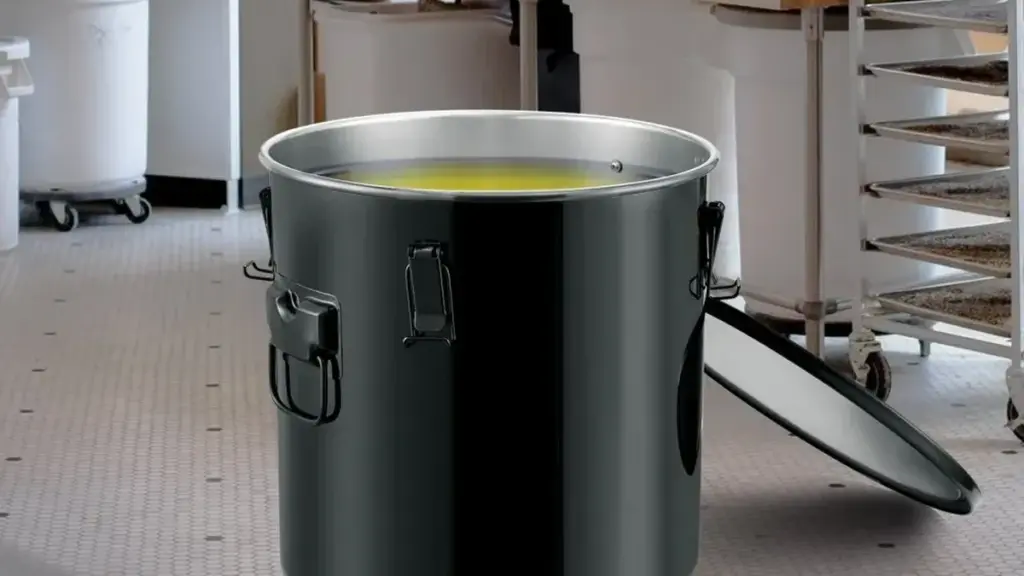
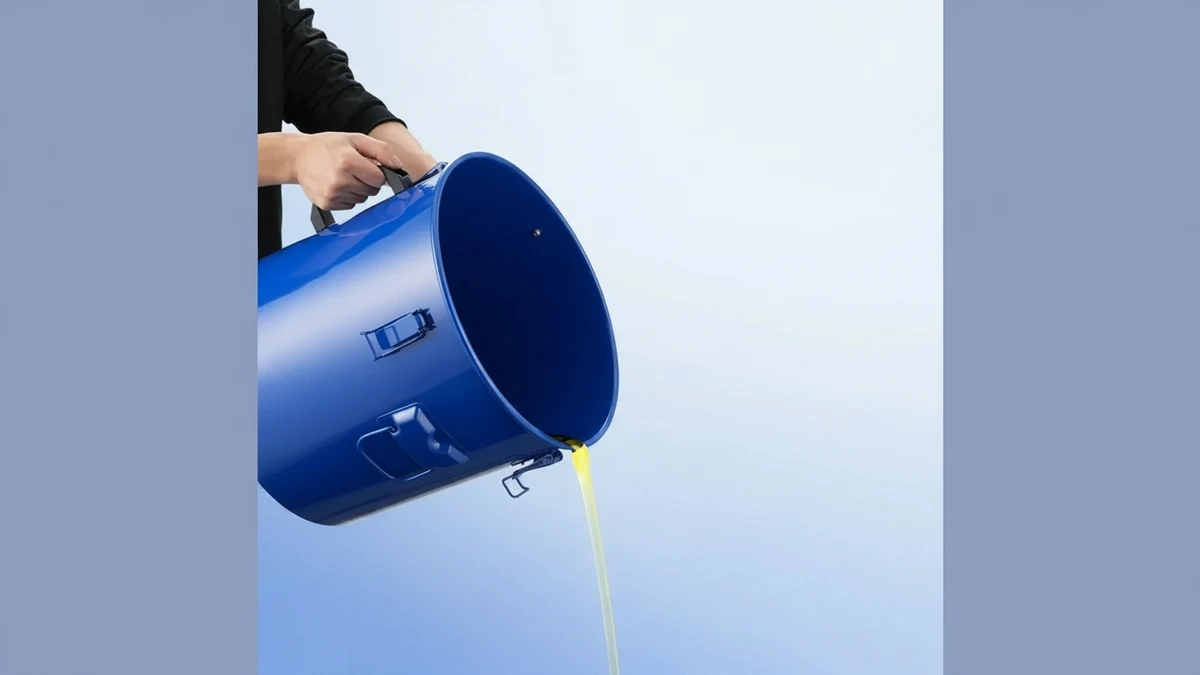
Hot oil is one of the most dangerous materials in a kitchen, so the container design matters as much as the size. A tight-fitting lid with lock clips stops splashes during transport, and a filter bag lets you strain debris while the oil is still warm, extending oil life and improving fry quality. Wide handles and a balanced caddy design keep the container stable when it is full.
The 8-gallon carbon steel oil disposal caddy is the practical standard for most kitchens, while the 10-gallon stainless steel version suits high-volume frying.
Common mistakes to avoid
- Sizing to the fryer count instead of the volume: measure the oil the fryer holds, not the number of baskets.
- Choosing carbon steel for daily hot-oil work: stainless resists pitting and lasts far longer.
- Skipping the filter bag: straining oil while warm extends its life and improves food quality.
- Ignoring the lid: a full bucket without lock clips splashes during the walk to the disposal area.
Recommended commercial kitchen products
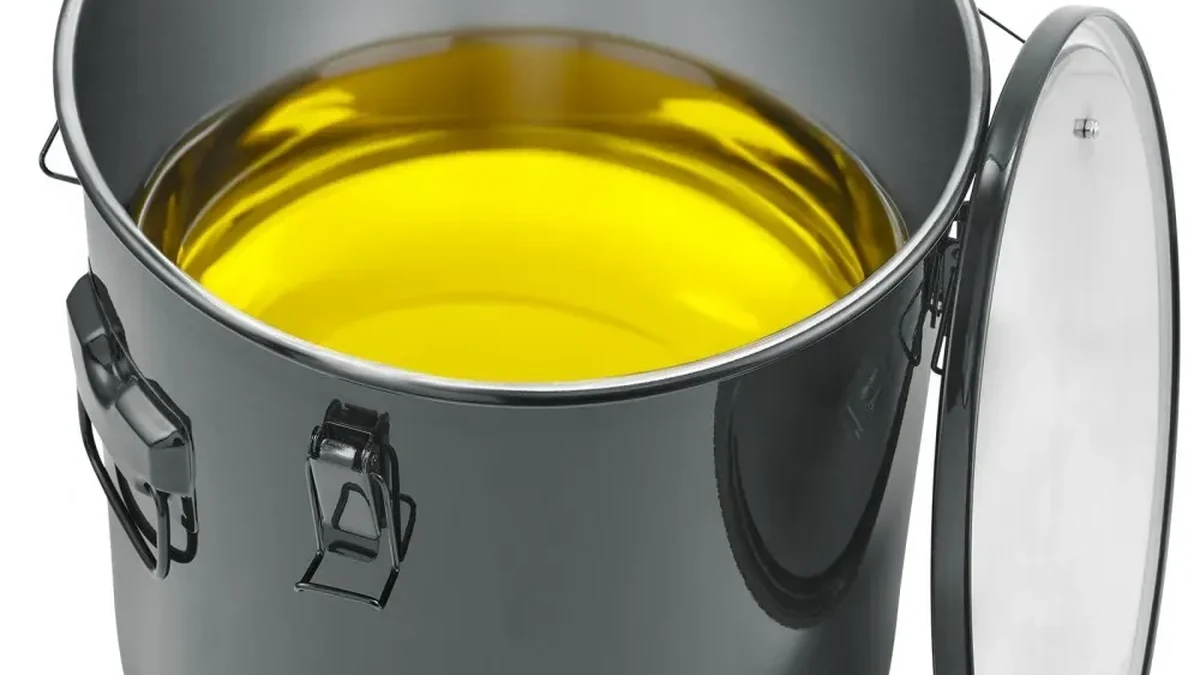
- VEVOR 8-gallon carbon steel grease bucket – standard single-fryer duty
- VEVOR 10-gallon stainless steel grease bucket – high-volume kitchens
- VEVOR 6-gallon grease bucket – countertop fryers
- VEVOR 8-gallon stainless steel grease bucket – daily hot-oil work
Browse the full commercial kitchen collection.
Match the filter to your fryer capacity: the filter should handle the oil volume in one pass without overflow. Check the filter basket and hose fit against your fryer model before buying.
Look for auto shutoff, cool-touch surfaces, and stable frames with non-slip feet. Safety features protect staff and reduce downtime, so check them before capacity when comparing models.
Filter daily or after heavy service to keep oil fresh and food quality consistent. Regular filtering extends oil life and reduces waste, which pays for the equipment quickly.
Start with the equipment that serves your menu daily and is most expensive to replace, such as an oil management system for a fryer-heavy kitchen. Add pieces as volume grows.
Related guides
Kitchen surfaces and prep stations are covered in the furniture buying guide. To keep the kitchen clean at the end of the night, see the cleaning equipment buying guide.
Frequently Asked Questions
What size fryer grease bucket do I need?
Size by daily fryer volume: 6-gallon suits small fryers, 8-gallon is the restaurant middle ground, 10-gallon covers high-volume fryers and multi-vat lines.
Carbon steel or stainless steel oil caddy?
Stainless resists rust and cleans up like kitchen equipment; carbon steel with rust-proof coating is the budget pick for the same job.
Do I need a filter bag on an oil caddy?
Yes if you reuse oil - the filter bag strains crumbs as you drain, keeping the oil usable longer.
Can I pour hot oil straight into the bucket?
The caddy is designed for hot cooking oil with lid and lock clips; let the oil cool below flash point and never fill past the rated line.
Related Articles
Browse Related Products
Products covered by these guides.
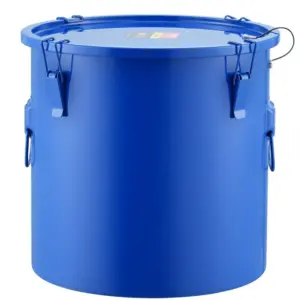
VEVOR Fryer Grease Bucket, 8 Gal Oil Disposal Caddy Carbon Steel Fryer Oil Bucket with Rust-Proof Coating, Oil Transport Container with Lid
$83.90Shop now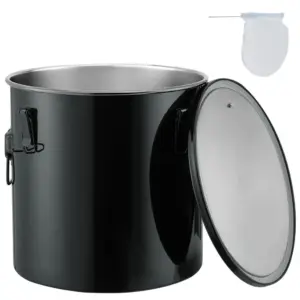
VEVOR Fryer Grease Bucket, 8 Gal Oil Disposal Caddy Stainless Steel Fryer Oil Bucket Rust-Proof Coating, Oil Transport Container with Lid, Lock Clips
$100.99Shop now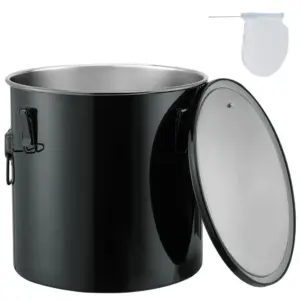
VEVOR Fryer Grease Bucket, 10 Gal Oil Disposal Caddy Stainless Steel Fryer Oil Bucket Rust-Proof Coating, Oil Transport Container with Lid
$110.90Shop now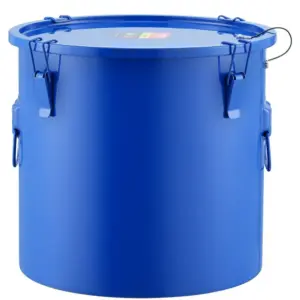
VEVOR Fryer Grease Bucket, 10 Gal Oil Disposal Caddy Carbon Steel Fryer Oil Bucket with Rust-Proof Coating, Oil Transport Container with Lid
$90.90Shop nowGet new guides first
New buying guides, size guides and restock alerts — one email a week.